
Related videos:
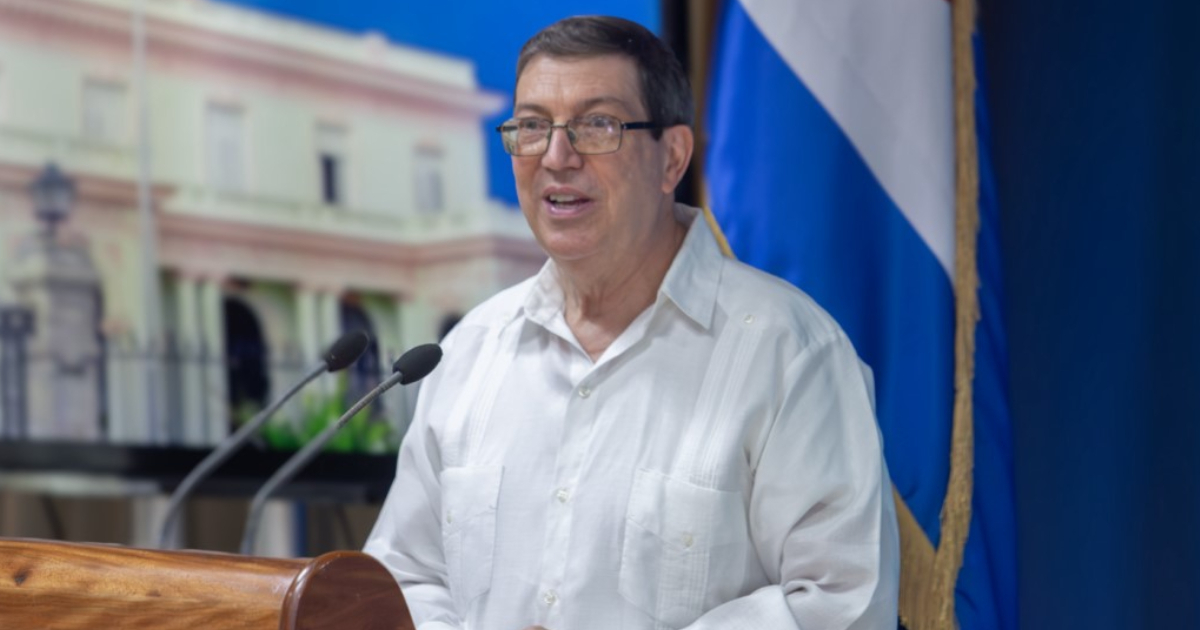
The Cuban Chancellor Bruno Rodríguez Parrilla published a message on X this Monday directed at the High Representative of the European Union for Foreign Affairs, Kaja Kallas, accusing her of acting with a "notable double standard" in her statements about Cuba.
The text is a direct response to the statements made by Kallas last Tuesday before the European Parliament in Strasbourg, where she warned that the Cuban model "is no longer sustainable", demanded the release of political prisoners, and called for political and economic reforms on the island.
Rodríguez argued that the head of European diplomacy "lacks objectivity" by ignoring the role of the U.S. embargo in the Cuban crisis.
"It remains objective and indicates a marked double standard not to recognize that the illegal, cruel, and unjust collective punishment imposed by the U.S. government on the Cuban people, along with an unprecedented tightening of the blockade, the oil embargo, and military threats, are the main causes of the difficult situation that Cubans are facing today," wrote the chancellor.
Rodríguez also criticized Kallas for not expressing "concern or support" for the European companies and citizens affected by Washington's measures, which he described as having a "clearly extraterritorial and illegal nature."
At the same time, the chancellor defended the internal transformations of the regime as "sovereign and profound," with "broad popular consensus," and described them as "internal matters" of the country, implicitly rejecting any external criticism regarding the political situation on the island.
In a more conciliatory tone, Rodríguez expressed gratitude for the humanitarian aid announced by the EU —six million euros allocated outside the Cuban State— and defended the Political Dialogue and Cooperation Agreement as a valid framework for the bilateral relationship, "always based on respect, equality, and reciprocity."
The message comes at a time of intense pressure on the regime. The Trump administration signed Executive Order 14380 in January 2026, declaring the Cuban government an "unusual and extraordinary threat," and on May 1, it issued another order imposing secondary sanctions on foreign entities operating with Cuba.
According to reports from May 2026, at least seven tankers bound for the island were intercepted, and energy imports would have decreased by 80% to 90%, with power outages of up to 25-30 hours daily in some areas of the country.
This is not the first time the chancellor has resorted to this formula. Cuba previously accused the EU of acting with "double standards" in March 2022, when the European bloc condemned the sentences handed down against the 11J protesters.
On Wednesday, the MEP Hermann Tertsch announced a resolution to request the immediate suspension of the EU-Cuba agreements, with the vote in the European Parliament scheduled for June 2026.
Rodríguez concluded his message with a call for European foreign policy to "reflect the independence and traditional European and multilateral values," in what the Cuban regime presents as an attempt to distinguish Brussels' position from that of Washington, as the island faces one of the most severe energy and economic crises in its recent history.
Filed under: