
Related videos:
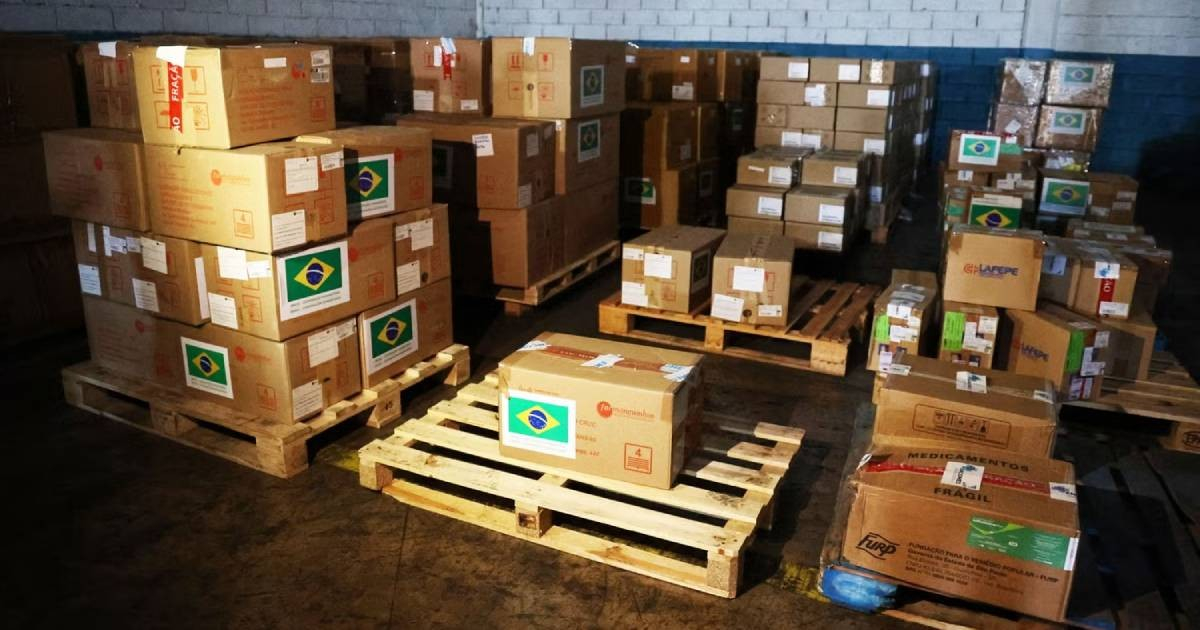
Brazil provided Cuba with a donation of antituberculous medicines at the Benéfico Jurídico Pneumology Hospital in Havana, as part of the bilateral health cooperation between the two countries, according to the Pan American Health Organization.
The donated medications will enable the complete treatment of approximately 1,000 tuberculosis patients and will be distributed across various health centers in the country.
According to the Government of Havana, the donation includes more than 900,000 tablets against tuberculosis and 320,000 doses of vaccines, including the pneumococcal vaccine.
The PAHO/WHO acted as a facilitating mechanism for the transfer through its donation platform.
The event was attended by Dr. Carilda Peña García, Deputy Minister of Public Health for the area of Hygiene and Epidemiology, along with other Cuban health authorities and the Brazilian ambassador to Cuba, Christian Vargas.
During the event, the deputy minister expressed gratitude for the donation and highlighted "the extensive experience of collaboration between Cuba and Brazil in various areas, including public health, biotechnology, the strengthening of regulatory agencies, and academic training," emphasizing the role of the Oswaldo Cruz Foundation (Fiocruz) in these ties.
Dr. Mario Cruz Peñate, representative of the PAHO/WHO in Cuba, emphasized the significance of the contribution to the National Tuberculosis Program and "its goal of advancing towards the elimination of the disease in the country."
The donation arrives at a time of serious health crisis on the Island, where tuberculosis has seen a sustained resurgence after decades of relative control.
The estimated incidence of the disease increased from 5.4 cases per 100,000 inhabitants in 2021 to 11.4 per 100,000 in 2024, while the estimated deaths rose from 61 to 98 during the same period.
In July 2025, the Ministry of Public Health itself warned about a rise in tuberculosis cases in nine provinces, with the highest impact in Havana, Mayabeque, Camagüey, Granma, and Santiago de Cuba.
Months later, in October 2025, independent reports indicated the "total absence" of tuberculosis treatment medications in pharmacies and warehouses in Santiago de Cuba.
This shortage is part of a broader pharmaceutical crisis. In July 2025, the Minister of Public Health acknowledged that Cuba only had 30% of the essential medicines available.
In Cuban prisons, the situation has been even more severe. An inmate died of tuberculosis in January 2025 after 20 days without proper medical care, in conditions marked by a lack of medication and documented hygiene deficiencies.
This is not the first aid that Brazil has sent to Cuba in 2026. In March, the government of Lula da Silva remitted 20,800 tons of food to the Island as humanitarian assistance, including rice, black beans, and powdered milk.
Cuban authorities reaffirmed their commitment to ensuring "the proper distribution and use of donated medications," although the regime's actual capacity to manage and distribute medical supplies has been repeatedly called into question due to the collapse of the public health system and the regime’s lack of transparency.
Filed under: