
Related videos:
U.S. and Iranian negotiators reached a preliminary agreement on Thursday to extend the ceasefire for 60 days and begin formal discussions on Iran's nuclear program, according to a U.S. official who spoke on condition of anonymity because they were not authorized to make public statements, reported the agency AP.
The agreement comes at a time when the fragile ceasefire in the war, which has already lasted three months, appeared on the brink of collapse.
Less than 24 hours before the announcement, Kuwait intercepted a ballistic missile fired from Iran, which the United States Central Command deemed a flagrant violation of the truce.
U.S. forces also intercepted five Iranian attack drones in the Strait of Hormuz and prevented the launch of a sixth from Bandar Abbas.
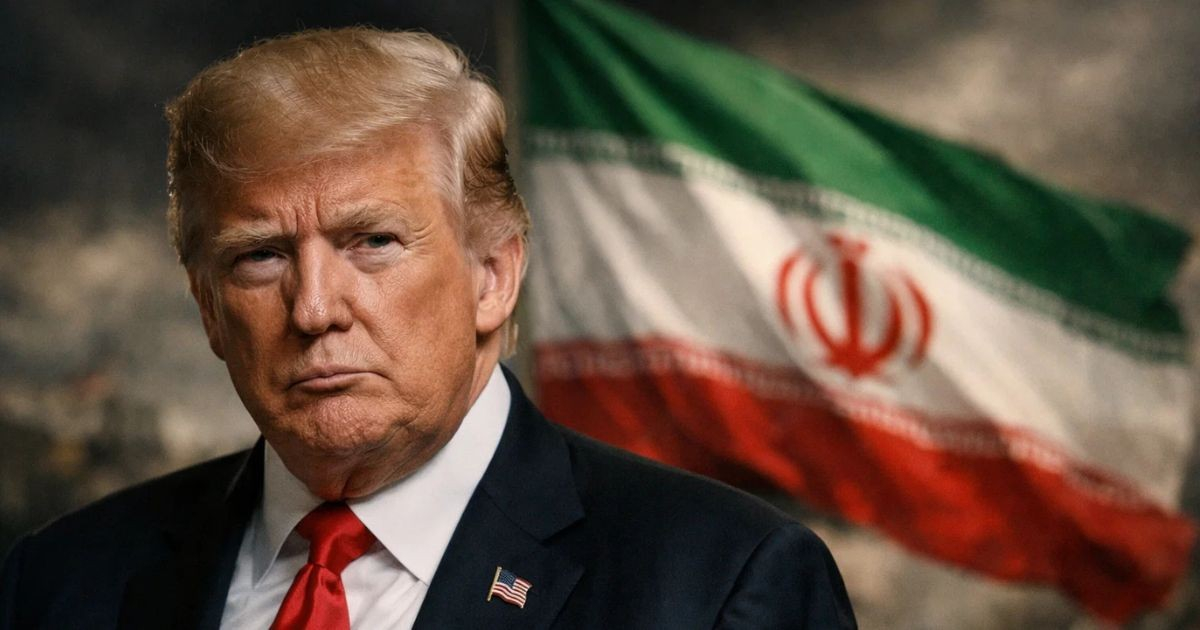
Iran did not immediately confirm any agreement, and the official noted that President Donald Trump has not yet formally approved it.
The memorandum of understanding in progress states that Iran will not be allowed to impose tolls in the Strait of Hormuz and must remove all mines from that maritime route within 30 days.
In exchange, the United States would gradually lift its naval blockade of the strait and ease sanctions to allow Iran to sell more oil.
The Strait of Hormuz was, before the war, the route for approximately one-fifth of the oil and natural gas traded in the world.
Its closure, announced by Iran on March 4 in response to Operation Epic Fury—the joint attacks by the U.S. and Israel on February 28—sent the price of Brent crude oil soaring above 120 dollars per barrel and raised European liquefied natural gas futures by 77%.
The U.S. naval blockade of Iranian ports reduced Iran's oil exports by more than 80% between April 13 and 25, with estimated economic losses amounting to around 40% of the pre-war GDP, approximately $144 billion, in less than two months.
Trump announced the first ceasefire on April 8, conditional on the reopening of the strait, and extended it on April 21 at the request of Pakistan, which has acted as the central mediator throughout the process.
The peace talks in Islamabad concluded without an agreement after 21 hours of negotiations on April 12, although on May 3, Iran sent Washington a 14-point peace plan that postponed the nuclear issue to a later phase, a proposal that the U.S. rejected.
The central issue of the nuclear negotiations remains the highly enriched uranium that Iran has already accumulated.
Last Tuesday, Trump demanded on Truth Social that this material be handed over to the U.S. or destroyed under international supervision, explicitly dismissing the involvement of Russia or China in this matter.
Regarding enrichment, Washington is requesting a moratorium of up to 20 years; Iran has proposed between five and 15 years.
The Iranian spokesperson Esmaeil Baqaei stated last Friday that "Tehran and Washington have narrowed their positions," indicating that the negotiations are progressing despite episodes of violence.
The preliminary agreement from this Thursday still requires Trump's approval, as his signature will be crucial in determining whether the three-month ceasefire will become solidified or if the conflict escalates again.
Filed under: