
Related videos:
The foreign policy analyst Daniel DePetris published a series of messages on X this Thursday in which he argues that what Donald Trump really seeks in Cuba is not democracy, but rather a massive economic opening to U.S. business interests and a radical change in Havana's foreign policy, in response to a report by Axios revealing military contingency plans in anticipation of a possible collapse of the Cuban regime "as soon as this summer."
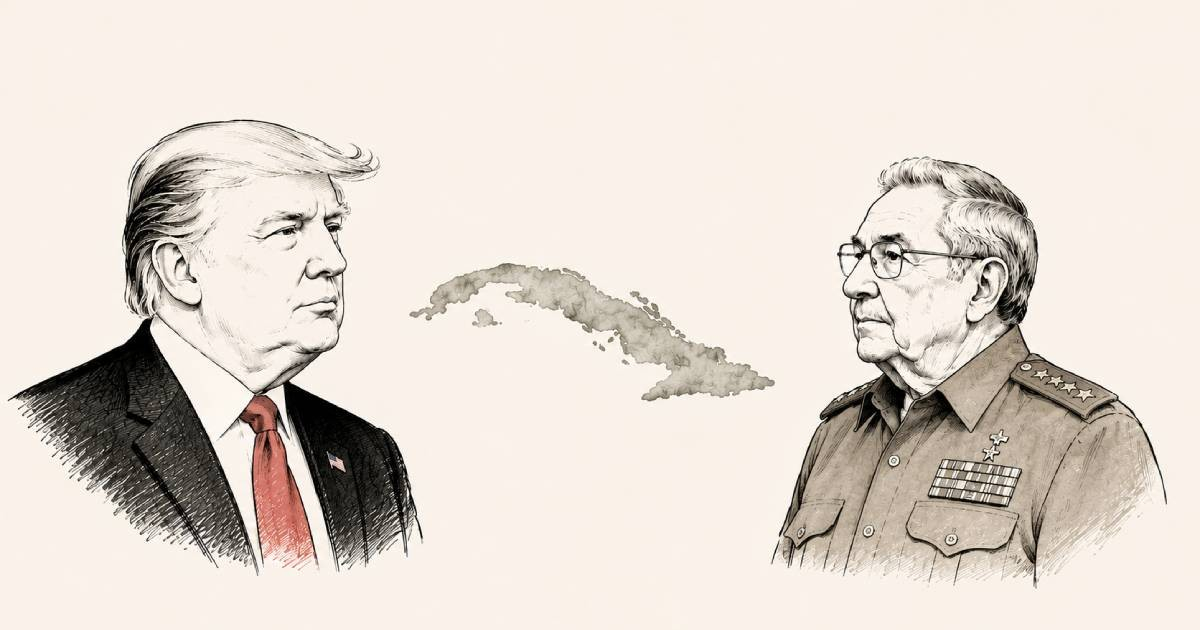
DePetris, an international affairs columnist for the Chicago Tribune, editor for Newsweek, and contributor to The Spectator, presented his central thesis in a thread on X with a claim that is already sparking debate: "Trump can coexist with a Castro as long as Havana is following orders from Washington."
According to the analyst, this pragmatic approach is something that "the hardline Cuban-American lobby doesn't understand," adding that "the Venezuelan opposition also didn't grasp it at the time."
DePetris identifies two structural obstacles that complicate any agreement.
The first is the embargo. Even if Cuba were to accept all of Trump's economic demands, no large-scale American business presence can materialize without Congress lifting it, which would require political capital that Trump may be unwilling to spend and Democratic cooperation that is unlikely to occur.
The second obstacle is credibility. Cuban officials have already pointed out that Trump bombed the Iranians twice during negotiations, a sign, according to DePetris, that Havana is wary of whether any signed agreement will actually be implemented.
As an alternative, the analyst proposes that Trump maintain the embargo but ease or waive the sanctions that deter foreign companies from investing in Cuba: "This would essentially allow Trump to avoid the political battle associated with lifting the embargo, while still granting Cuba some economic concessions in exchange for meeting U.S. demands."
However, DePetris warns that this path is not a perfect solution either, as foreign companies may hesitate to invest because the exemptions from sanctions can be revoked at any time, and Trump "would not want Europeans and Canadians to benefit from his deal."
The analysis comes at a time of maximum pressure from Washington on Havana. The Trump administration has imposed more than 240 sanctions against Cuba since January 2026, including Executive Order 14404 signed on May 1, which expands secondary sanctions against entities linked to the regime.
The CIA Director John Ratcliffe visited Havana on May 14 —the first visit by an agency director in over a decade— to directly warn the regime against acts of hostility, while Secretary of Defense Pete Hegseth confirmed before Congress that Cuba poses a threat to national security.
Meanwhile, Southcom conducted a multisectoral tabletop exercise last month focused on potential disturbances in Cuba, and the administration has yet to identify Cuban officials who could lead an interim government if the regime falls, according to Axios.
Trump conditioned any progress in negotiations on the removal of Miguel Díaz-Canel from power, and on June 5, the deadline set by Washington for foreign companies to sever ties with the military conglomerate GAESA will expire, under the threat of secondary sanctions.
DePetris concluded his analysis with a statement that encapsulates the uncertainty of the moment: "There is a possible agreement. As always, it will depend on what Trump can live with."
Filed under: