
Related videos:
The ambassador Rodolfo Benítez Verson, Cuba's permanent representative to international organizations in Geneva, denounced before the plenary session of the UN Conference on Disarmament what the regime described as a threat of direct military aggression from the United States government.
Benítez Verson described the situation as "extremely grave" and warned that military action "would provoke a bloodbath," resulting in the deaths of thousands of Cubans and young Americans.
The intervention occurs amid a sustained escalation of tensions between Havana and Washington that intensified since January 2026, when Trump signed Executive Order 14380 declaring Cuba an "unusual and extraordinary threat" to U.S. national security.
The diplomat rejected the arguments that portray Cuba as a threat to the U.S. with a defiant tone.
"The absurd argument is used to present our small island as a supposed threat to the national security of the nuclear superpower. Such an idea defies logic and common sense. Cuba is neither a threat nor can it be a threat to the United States. Just look at a map. They lie to justify a new irrational war."
Benítez Verson also denounced the energy embargo imposed by Washington.
"The total fuel blockade that the United States has imposed on Cuba since January 29 amounts to a naval blockade in its effects, which is an act of war."
The speech included data on the humanitarian impact of the sanctions. The diplomat stated that the childhood mortality rate would have doubled, increasing from 4.0 to 9.2 per thousand live births, and the life expectancy of children suffering from cancer would have fallen from 85% to 65%.
The regime also rejected the federal accusation against Raúl Castro, declassified on May 20 by the U.S. Department of Justice regarding the downing of the Brothers to the Rescue planes in 1996.
Benítez Verson described it as a "morally infamous act" and a "fraudulent decision" aimed at justifying "a military adventure against Cuba."
The complaint in Geneva is part of a broader diplomatic offensive by the regime. Last Wednesday, the National Assembly of People's Power sent communications to ten international interparliamentary organizations alerting them to the threat and requesting statements of support.
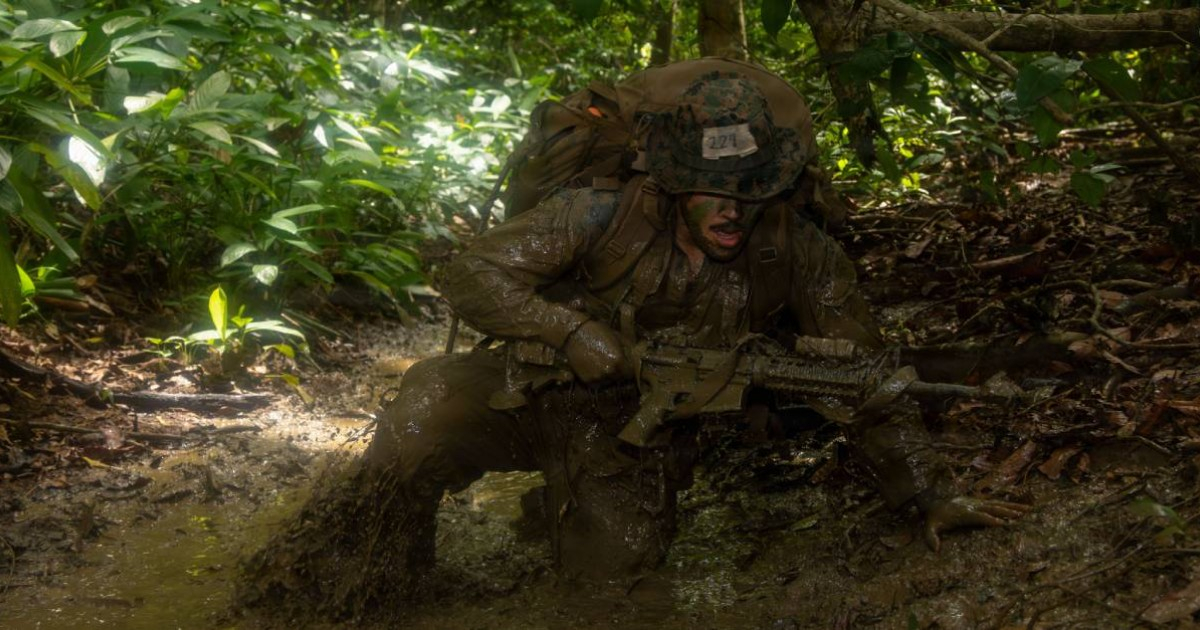
In parallel, a report from Politico revealed last Wednesday that the Pentagon has been positioning troops and equipment in the Caribbean for months, and only Trump's final approval is needed to take action.
The USS Kearsarge, with 2,500 Marines on board, was off the coast of Virginia preparing for a new deployment in the region.
Axios reported that the Trump administration internally describes its strategy as "accelerationism" and has already conducted military simulation exercises for intervention scenarios. However, a presidential advisor clarified: "There is no invasion planned or imminent."
Benítez Verson reiterated the regime's willingness for diplomatic dialogue. "Cuba will continue to advocate for reason, dialogue, and peace. However, if a military aggression occurs, rest assured that the Cuban people will fight, to the last consequences, to defend their sovereignty and independence."
The deadline set by Washington for foreign companies to cease operations with GAESA or face secondary sanctions is on June 5, 2026, which could further intensify economic pressure on the regime in the coming days.
Filed under: