
Related videos:
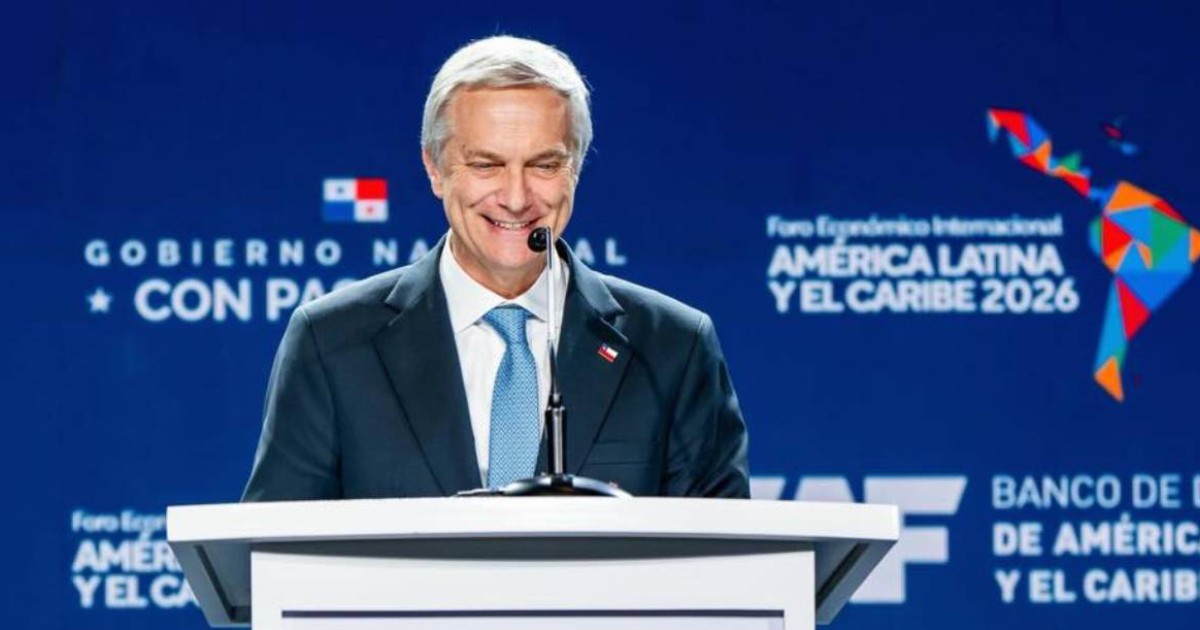
The president of Chile, José Antonio Kast, declared this Sunday that he would support a potential intervention by the United States in Cuba, stating that there is "no democracy" on the island and that its people "are suffering from a decades-long dictatorship."
The statements were made in a lengthy interview granted to Diario El Mercurio, just hours before his first Public Accountability as president before the National Congress, held this Monday.
When asked if he would support in Cuba an action similar to what Washington has promoted regarding Venezuela, Kast was direct.
"In Cuba, there is no democracy. And that people is suffering under a dictatorship that has lasted for decades. I said I would support anyone who frees Venezuela from dictatorship. I say the same regarding other nations that are victims of a dictatorship," Kast expressed.
The ANSA Latina agency described the president's words as "a new controversy in foreign policy," given that the possibility of foreign intervention in Cuba is a historically sensitive issue in the region.
The statements are not isolated; rather, they are part of a consistent line that Kast has maintained since before taking office on March 11, 2026.
In February, while being the elected president, Kast criticized the sending of one million dollars in Chilean humanitarian aid to Cuba, arguing that it should not support a dictatorship.
In December 2025, Kast had already publicly supported a potential U.S. intervention in Venezuela, and in March 2026, during a conversation in Miami, he praised Donald Trump's foreign policy towards the region and stated that there "had to be some kind of intervention" in Venezuela.
In May of this year, a Chilean congresswoman promoted the establishment of an international tribunal to judge the crimes of the Cuban dictatorship, in alignment with the government's narrative.
In the interview this weekend, Kast also addressed the situation with Venezuela, whose diplomatic relations with Chile were severed in January 2025 when Nicolás Maduro's regime ordered the closure of Chilean consulates in Caracas and Puerto Ordaz.
The leader noted that his government is "watching closely" what is happening in that country and hopes to restore consular and diplomatic ties. "I believe it is important for Venezuela to normalize its relations with other countries," he stated.
The urgency of this normalization has a practical dimension: according to Chancellor Francisco Pérez Mackenna, more than 700,000 Venezuelans live in Chile and about 25,000 Chileans reside in Venezuela, and the diplomatic break has complicated the expulsion or repatriation of Venezuelan citizens involved in crimes or in irregular migration situations.
Kast's statements about Cuba come at a time of growing international pressure on the Cuban dictatorship, with the Trump administration maintaining a policy of maximum pressure towards Havana and the other regimes in the region.
Filed under: