
Related videos:
The Chilean deputy Chiara Barchiesi, from the Republican Party, introduced a motion in the Chamber of Deputies to promote the establishment of an international tribunal to investigate and prosecute the crimes committed by the Cuban regime's leadership over nearly seven decades.
The initiative, backed by President José Antonio Kast, comes just three days after the U.S. Department of Justice formally charged Raúl Castro for his alleged responsibility in the shooting down of two planes belonging to the organization Brothers to the Rescue on February 24, 1996, which resulted in the deaths of four Cuban Americans.
"We are all fully aware of the violation of fundamental rights committed by the Cuban communist dictatorship. We have witnessed political prisoners, persecutions, and torture, something that was even confirmed by the Inter-American Court of Human Rights," said Barchiesi.
The legislator explained that the project constitutes a formal request to the Chilean Executive Branch to promote the headquarters of that tribunal.
"We need a country to host this tribunal. From Chile, motivated by our democratic commitment and the yearning for freedom shared by the Cuban people, we are presenting this motion. A tribunal is needed to judge the Cuban dictatorship," he declared.
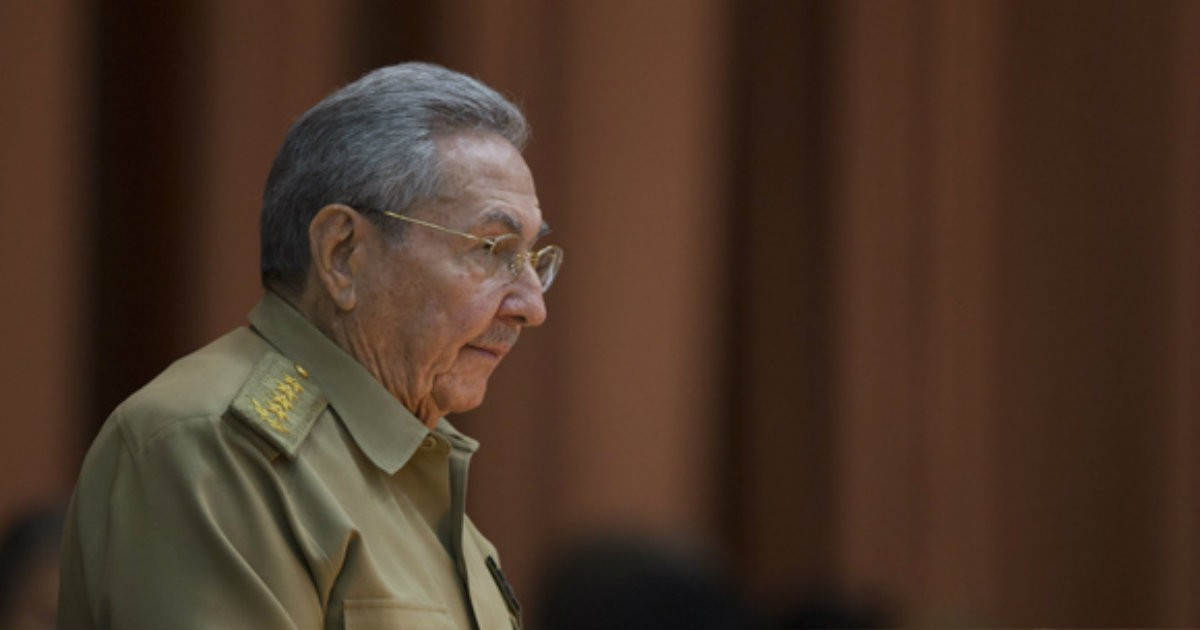
The motion is declarative in nature and is not a binding law, but it represents a significant political step in the international judicial pressure being built against Raúl Castro, who is 94 years old.
In the United States, the charges filed last Tuesday include conspiracy to murder U.S. nationals, destruction of civilian aircraft, and four counts of homicide related to the deaths of Armando Alejandre Jr., Carlos Costa, Mario de la Peña, and Pablo Morales.
The accusation is based on an audio recording from June 1996 and over 10,000 pages of declassified FBI documents. The conviction could entail life imprisonment or even the death penalty.
The political context in Chile is equally relevant. Kast, who assumed the presidency after the 2025 elections, has historically been one of the most critical Latin American politicians of the Cuban regime, even proposing the closure of the Chilean embassy in Havana during his electoral campaign.
The Cuban State Council rejected the U.S. accusation on Friday, labeling it as interference, consistent with how the regime has historically responded to any attempts at international accountability.
Castro resides in Cuba, and there are no extradition treaties with the United States or Chile. Both processes mark a historical milestone: for the first time, two foreign governments are simultaneously driving formal judicial actions against the former Cuban leader, accumulating decades of documented repression that the regime has never had to confront in any court.
Filed under: