
Related videos:
The United States and Iran engaged in a new exchange of military attacks this weekend, escalating tensions in the Middle East, while negotiations to reach a lasting peace agreement remain stalled after three months of conflict.
The U.S. Central Command (CENTCOM) confirmed conducting defensive strikes on Saturday and Sunday against Iranian radar and drone control sites in Goruk and on Qeshm Island, in response to the Iranian downing of a U.S. MQ-1 drone operating over international waters.
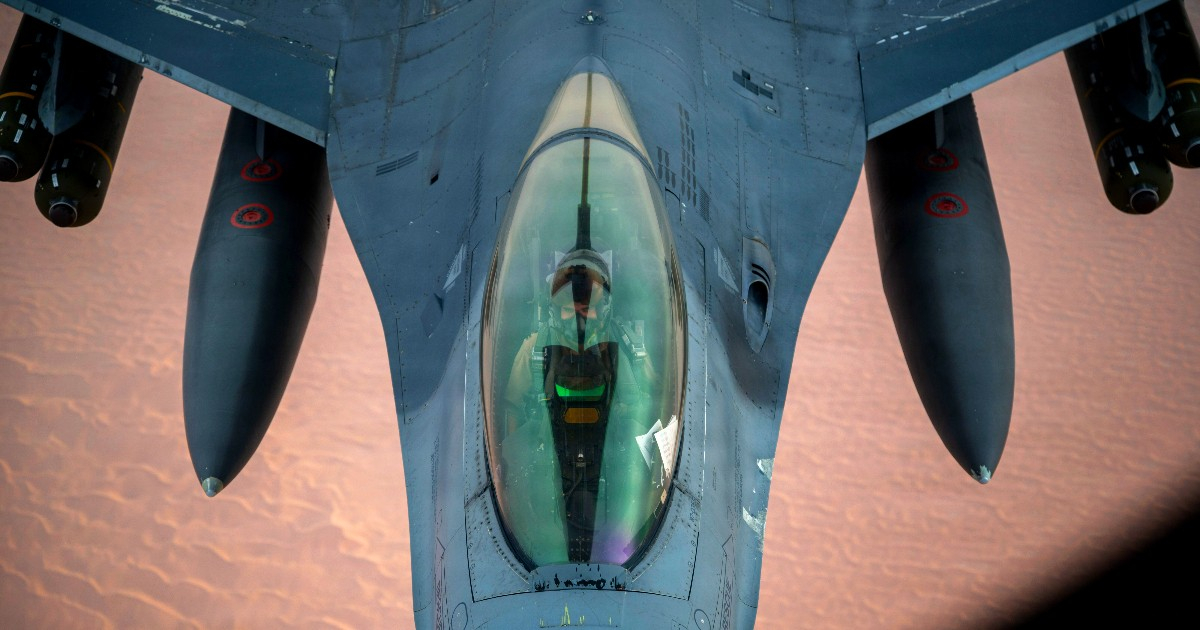
"The U.S. fighter jets quickly responded by neutralizing the Iranian air defenses, a ground control station, and two one-time-use attack drones that posed clear threats to vessels navigating the regional waters," reported CENTCOM on the social media platform X.
No American military personnel were injured in the attacks.
In response, the Iranian Revolutionary Guard Corps (IRGC) announced on Monday that it had attacked a U.S. military base, in retaliation for a U.S. strike on a telecommunications tower on the Iranian island of Sirik, reported Reuters.
Although the IRGC did not identify the base that was attacked, Kuwait activated its air defenses and condemned the Iranian attacks with missiles and drones, describing them as acts that undermine regional easing efforts.
The Ministry of Foreign Affairs of Kuwait held Iran "fully" responsible for the attacks.
According to sources from CNN, an Iranian ballistic missile was intercepted last week near the Ali Al Salem airbase in Kuwait, causing minor injuries among the base personnel due to the debris.
This exchange of blows occurs as President Donald Trump sent back the text of a proposed agreement with additional changes following a meeting with advisors last Friday, extending the negotiations for another week.
Trump insists on a tougher language regarding Iran's nuclear commitments and the reopening of the Strait of Hormuz as conditions for the agreement, according to U.S. officials.
On his social media platform Truth Social, Trump stated that "Iran really wants to make a deal, and it will be good for the U.S. and for those who are with us," and urged his critics to relax: "Sit back and relax, everything will turn out fine in the end. It always does!"
From Tehran, the spokesperson for the Ministry of Foreign Affairs, Esmaeil Baghaei, accused Washington of constantly changing its negotiating stance.
"The negotiations began in an atmosphere of deep distrust and apprehension, and the exchange of messages occurs in that environment," Baghaei stated, adding that "the other party constantly changes its viewpoints and presents new or contradictory demands (...) it is natural for this situation to prolong the negotiations."
The president of the Iranian Parliament, Mohammad Bagher Ghalibaf, warned on Sunday that no agreement will be approved until Iran's "rights" are secured: "The soldiers of the diplomatic battlefield do not trust the words and promises of the enemy."
The U.S. and Iran have exchanged sporadic attacks since the ceasefire came into effect in early April, with Pakistan acting as a mediator, although the ceasefire has not formally collapsed.
The economic impact of the conflict remains palpable: oil prices rose by more than 3% on Monday following the new attacks, and the average price of gasoline in the U.S. reached $4.34 per gallon on Sunday, nearly 46% higher than at the start of the war.
Trump is facing internal political pressure to reopen the Strait of Hormuz and lower gasoline prices ahead of the November legislative elections, while the director of the National Economic Council, Kevin Hassett, stated that "there is a lot of room" and that "there is a lot of pressure on Iran to ultimately accept the president's terms."
Filed under: