
Related videos:
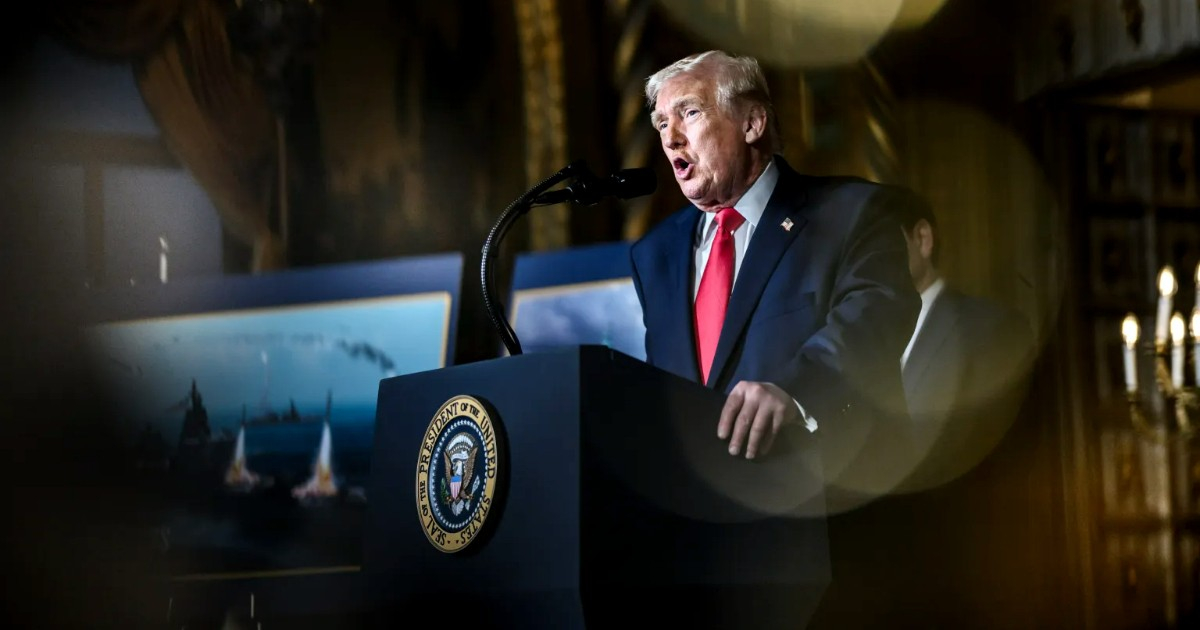
The president Donald Trump returned the text of the proposed peace agreement with Iran on Friday with modifications, following a two-hour meeting with advisors, extending the negotiations for another week, according to officials speaking to CNN.
The changes requested by Trump are not substantive, according to an foreign official familiar with the matter. They mainly focus on tougher language regarding Iran's nuclear commitments and its promise to reopen the Strait of Hormuz, a critical passage through which approximately 20% of the world's oil flows.
Trump also expressed concern about the financial relief that could be granted to Iran as part of the agreement, avoiding comparisons to the "cash pallets" delivered under the Obama-era nuclear deal, which the president describes as weak.
An American official indicated to CNN that new military attacks are unlikely while the agreement is close, and that regional allies do not want combat operations to resume.
This new exchange of proposals comes a week after Trump declared the agreement "largely finalized" and indicated that the end of the war was imminent. However, the session on Friday, in which Trump announced he would make a "final determination," concluded without a definitive decision.
Significant discrepancies between the parties persist. Trump publicly stated that the United States would confiscate and destroy Iran's stockpile of highly enriched uranium, while Tehran has insisted that it is not discussing details of its nuclear program in the current negotiations.
Trump also stated that there were no discussions about exchanging money, but Iran demands that such economic compensation be part of any agreement.
This context is set within Operation Epic Fury, launched on February 28, 2026, with joint attacks by the U.S. and Israel against Iranian nuclear and military facilities in Natanz, Isfahan, and Fordow. In response, Iran closed the Strait of Hormuz, leaving nearly 2,000 ships stranded and causing the price of Brent crude oil to surge from $67 to over $126 per barrel.
The U.S. imposed a naval blockade on Iranian ports since April 13, 2026, and launched the "Freedom Project" to escort ships through the Strait.
The blockade remains active during negotiations: on Friday, the U.S. military disabled the M/V Lian Star, a Gambian-flagged vessel, by firing a missile at its engine room in the Gulf of Oman after issuing more than 20 warnings, according to U.S. Central Command (CENTCOM). This was the fifth commercial ship disabled since the start of the blockade; over 100 vessels have been redirected.
The president of the Iranian Parliament, Mohammad Bagher Ghalibaf, declared this Sunday that no agreement will be approved until Tehran's "rights" are secured. "The soldiers of the diplomatic battlefield do not trust the words and promises of the enemy. What matters to us are the tangible achievements we must obtain, for which we will fulfill our commitments," he stated, according to the Tasnim agency.
The Democratic Senator Chris Coons (Delaware), a member of the Senate Foreign Relations Committee, expressed skepticism on Sunday regarding the feasibility of the agreement. "We will need a strong agreement to truly address this new capability that Iran has demonstrated in this war," he said on Fox News Sunday, warning that the technological superiority of the U.S. does not guarantee control of the strait against Iranian mines and drones.
The draft agreement includes a 60-day memorandum of understanding that would cover the extension of the ceasefire, the reopening of the Strait of Hormuz, the lifting of the U.S. blockade, and the start of negotiations regarding the Iranian nuclear program, where Washington demands a 20-year moratorium on uranium enrichment while Iran has offered between five and 15 years.
Filed under: