
Related videos:
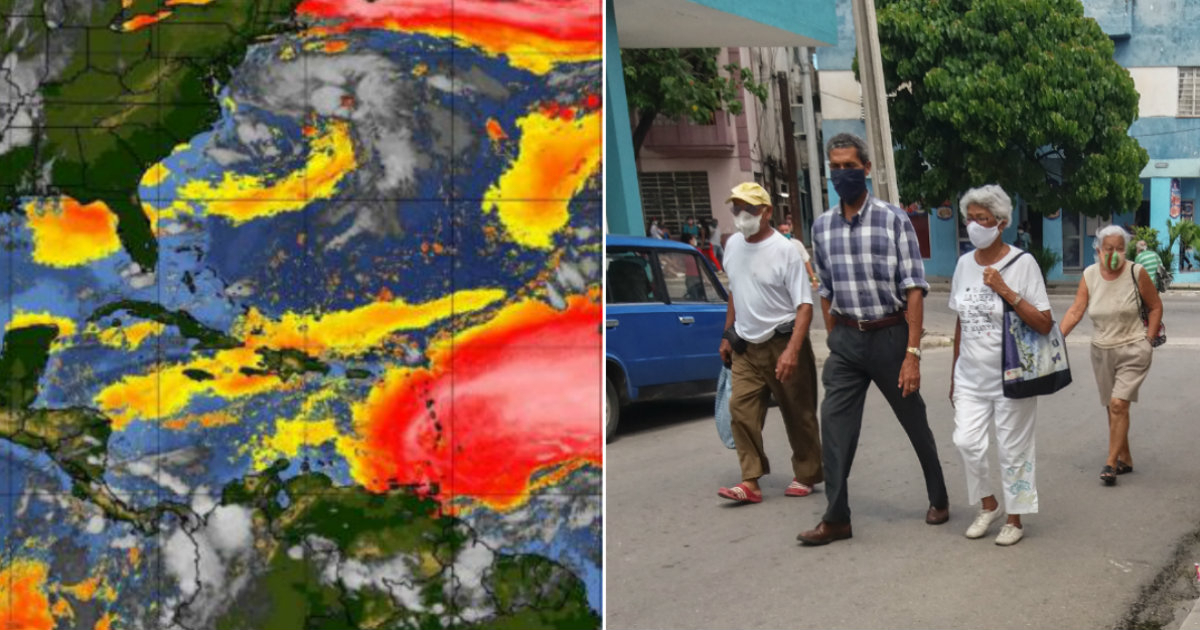
The meteorologist Raydel Ruisanchez warned about the arrival of the first waves of Sahara dust to the Caribbean region, noting that the most significant of the season will impact Cuba in the coming days, with a greater effect in the eastern part of the country.
"The first waves of Saharan dust are starting to reach our geographical area. The most significant one so far this season will have an impact in the coming days, with a greater effect in eastern Cuba and a lesser effect in the rest of the country," Ruisanchez wrote while publishing an infographic that shows the progression of the phenomenon during this Wednesday and Thursday.
Under the influence of this desert air mass, the skies will become hazy and the atmosphere will be drier and warmer, which will promote rising temperatures and limit rainfall in certain areas.
The phenomenon arrives at a particularly challenging time for the Cuban population, which is already enduring blackouts of more than 20 hours daily and a summer that the Meteorological Institute (INSMET) predicts will be extremely hot, with maximum temperatures exceeding the historical average.
The Cuban electrical system recorded a record deficit of 2,113 MW in May, with simultaneous outages affecting up to 46% of the country during peak hours. By the beginning of June, that deficit remained near 1,940 MW.
Saharan dust will exacerbate this situation by further raising temperatures and reducing the rainfall that could alleviate the heat, while deteriorating air quality for the most vulnerable sectors of the population.
Ruisanchez outlined the effects for allergic individuals: increased irritation in the eyes, nose, and throat; worsening of respiratory diseases such as asthma; and the onset of sneezing and congestion.
"The meteorologist advised sensitive individuals to avoid prolonged outdoor exposure and to stay hydrated."
The warning is not new. On May 28, meteorologist Matt Devitt had already predicted that large columns of dust would cross the Caribbean over the following two weeks, extending into June, and that the phenomenon could also reach the United States.
Sahara dust, technically known as Saharan Air Layer (SAL), is a recurring phenomenon in Cuba and the Caribbean. According to the National Oceanic and Atmospheric Administration (NOAA), these masses of hot, dry air emerge from the African coast every three to five days during peak season, driven by trade winds across the tropical Atlantic.
The season intensifies in mid-June and reaches its peak between late that month and mid-August. The eastern part of Cuba is historically the first region to feel its effects, as is happening in the current episode.
The INSMET had predicted an extremely hot summer for Cuba since April, with maximum temperatures consistently above the historical average throughout the summer period. The combination of prolonged blackouts, extreme heat, and now Saharan dust creates a particularly harsh situation for millions of Cubans who do not have reliable access to air conditioning or running water.
Filed under: