
Related videos:
The tourism crisis in Cuba is hitting Varadero and its sister city Cárdenas hard, where thousands of workers connected to hotels, laundries, transportation, and gastronomy have lost their income due to the free fall in visitors that has turned the country's main tourist hub into what the residents themselves describe as a "ghost town."
A post from the group 'Cardenenses on Facebook' dated June 2 harshly describes the situation: "Many hotels are operating at low occupancy, several restaurants and bars are receiving fewer and fewer customers, and tourism, which for years was one of the economic driving forces in the area, has decreased significantly."
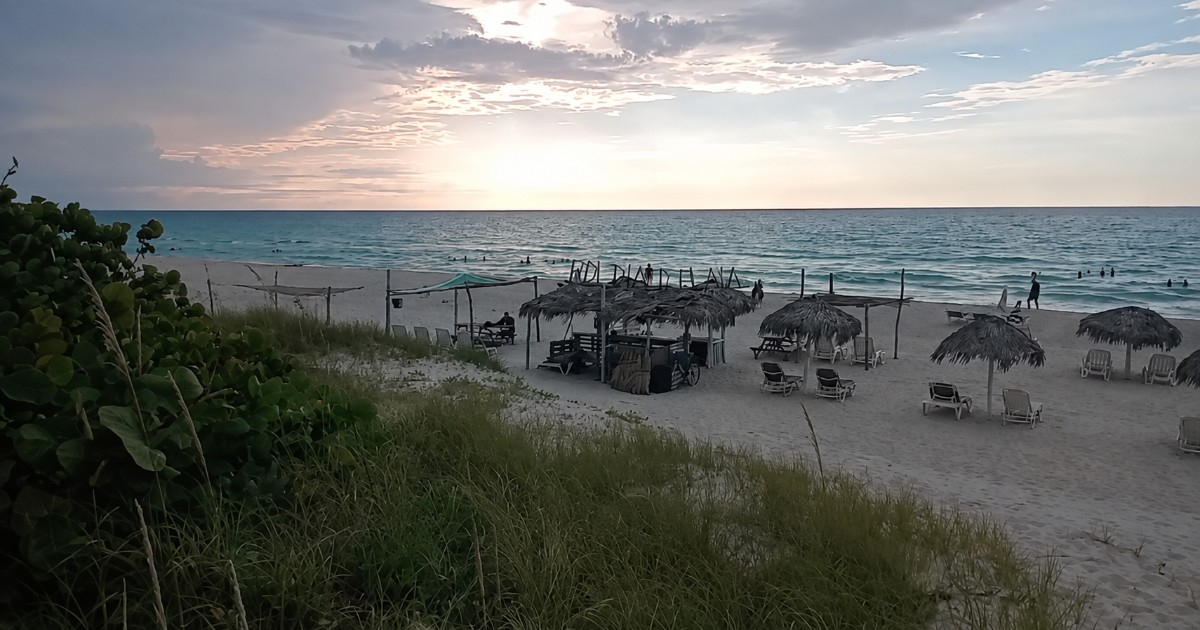
The photograph accompanying the publication depicts empty loungers and umbrellas under a cloudy sky, with hardly any human presence on a beach that once was synonymous with bustle and activity.
The labor impact is direct and multisectoral. "Tourism workers are on the street without even having been paid. We are at the limit of what is humane," wrote Lazara Martell in the comments of the post.
The question that many are asking in the area was precisely posed by Luis Tadeo: "What are the thousands of workers in Varadero going to do if there are no industries to work in anymore in Cárdenas?"
Cárdenas has structurally depended on Varadero for decades. "Ask the people of Cárdenas when the high season is or when the low season is, and everyone knows. The economic impact is significant; there are many people out of work," Annelis Morales noted.
The data confirms the extent of the collapse. Cuba received only 328,608 international tourists from January to April 2026, a 55.8% decrease compared to the same period in 2025, according to the National Office of Statistics and Information.
In the first quarter of 2026, the national hotel occupancy was just 21.5%, with more than eight out of ten rooms empty across the country.
Varadero has experienced an estimated decline of 70% in visitors compared to its peak historical period. The state's strategy of "tourism compaction" —closing low-occupancy hotels to concentrate guests and save energy— has further reduced the available supply and employment. In March 2026, only 13 hotels between Havana and Varadero were listed as open by Havanatur.
The state laundry in Cárdenas reported operational interruptions in April due to a lack of demand from hotels in Varadero, another indicator of the ripple effect that the tourism crisis is causing throughout the local economy.
Residents also point out that Varadero is deserted not only of foreign tourists. "Without transportation, this season Cubans won't have a way to come to Varadero either," noted Damaris Perera.
Desperation is reflected in the comments. An anonymous member described the daily reality: "Hunger, misery, need; there is no rest in searching for daily sustenance, you don't sleep for fear of having the little you have stolen, you can't go out because you'll be robbed. I believe there are no people in the world who live worse than we do."
Residents also report an increase in thefts and criminal activities in Cárdenas and Varadero as a direct consequence of unemployment and the economic crisis.
The collapse of tourism in Cuba is estimated to have left nearly 300,000 workers in the sector without income, with some reassigned to agricultural work or garbage collection. Julia María García de la Fé summarized the fear of many: “If we continue like this, ghost towns will continue to appear. In Matanzas, San Miguel de los Baños is already one of the most prosperous tourist spots. If we also lose Varadero now, we are lost.”
Filed under: