
Related videos:
The brings together Netherlands, Japan, Sweden, and Tunisia in one of the most balanced and appealing zones of the tournament's opening phase, with qualification open for nearly all participants.
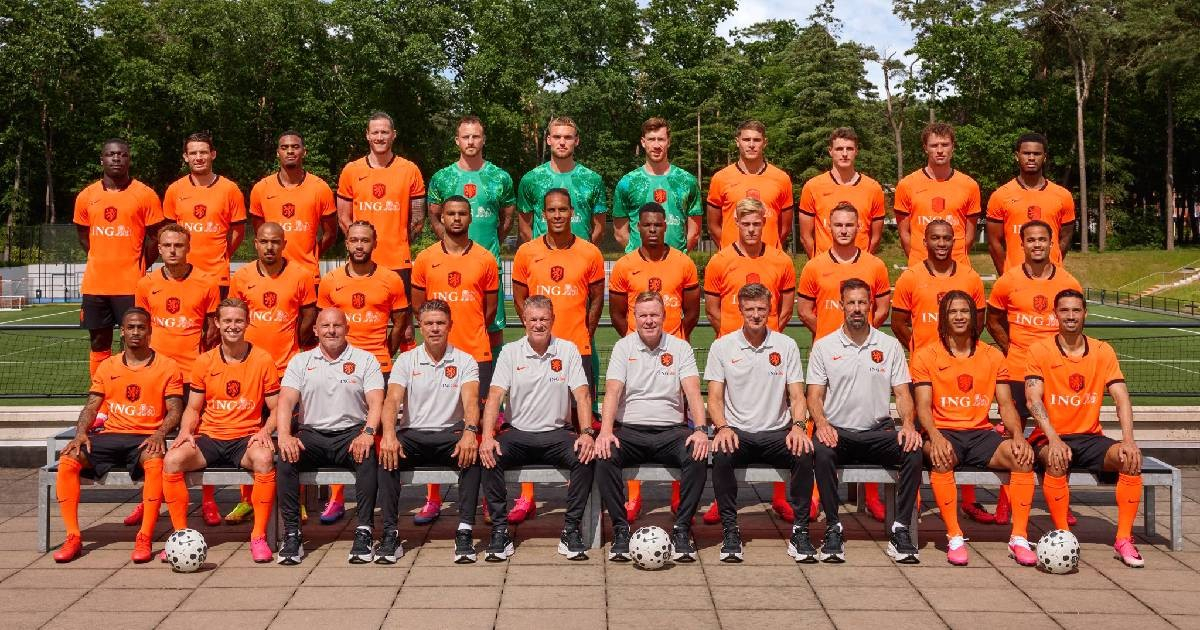
On paper, the Dutch are the clear favorites. Led by Ronald Koeman and with Virgil van Dijk as captain and defensive pillar, they arrive supported by one of the strongest qualifying campaigns among European teams. Their squad includes talents such as Frenkie de Jong, Ryan Gravenberch, Cody Gakpo, Teun Koopmeiners, and Tijjani Reijnders, all playing for top clubs across the continent. In Qatar 2022, they reached the quarter-finals, and this generation aims to go even further.
Behind them is Japan, possibly the most underrated team in the tournament. Their roster, announced on May 15th, is almost entirely made up of players competing in European leagues: Wataru Endo at Liverpool, Hiroki Ito at Bayern Munich, Takefusa Kubo at Real Sociedad, and Ritsu Doan at Eintracht Frankfurt, among others. The significant absence is Kaoru Mitoma, who is out due to injury, though historically, Yuto Nagatomo, at 39 years old, will compete in his fifth World Cup.
The intensity, tactical order, and ability of to compete against rivals with greater tradition make them serious contenders not only to qualify but to contend for the top position. In Qatar 2022, they defeated Germany and Spain in the group stage, and that generation now arrives more mature and established.
, managed by Graham Potter, returns to the World Cup after missing out in Qatar 2022. Their forward line is among the most dangerous in the group: Alexander Isak and Viktor Gyökeres, two of the most in-form strikers in Europe in recent years, have the ability to decide matches with a single action. The physical strength and international experience of the Scandinavians keep them firmly in the race for the second ticket.
takes on the role of the underdog, but arrives with a historic qualifying campaign: 9 victories and 1 draw in the African phase, scoring 22 goals with none against, securing their place on September 8, 2025, against Equatorial Guinea. With players like Ellyes Skhiri and Hannibal Mejbri, their defensive organization and tactical discipline can pose challenges for any opponent in tight matches. Furthermore, the new format of the 2026 World Cup —48 teams with third-placed teams advancing— keeps their aspirations alive.
The most anticipated match in the area will be the opening clash between the Netherlands and Japan on June 14 at AT&T Stadium in Philadelphia. A Dutch victory would strengthen their status as favorites; a Japanese surprise could completely change the forecasts. Next up is Sweden vs. Tunisia on June 15. The second round features the Netherlands vs. Sweden on June 20 in Houston, and Tunisia vs. Japan on June 21 in Monterrey.
The third and decisive round will take place on June 25 and 26, with Japan vs. Sweden in Kansas City and Tunisia vs. the Netherlands in Dallas, matches that could determine who advances and who is eliminated from the tournament.
As the group's analysis summarizes, "every point could be decisive in one of the most competitive areas of the 2026 World Cup."
Filed under: