
Related videos:
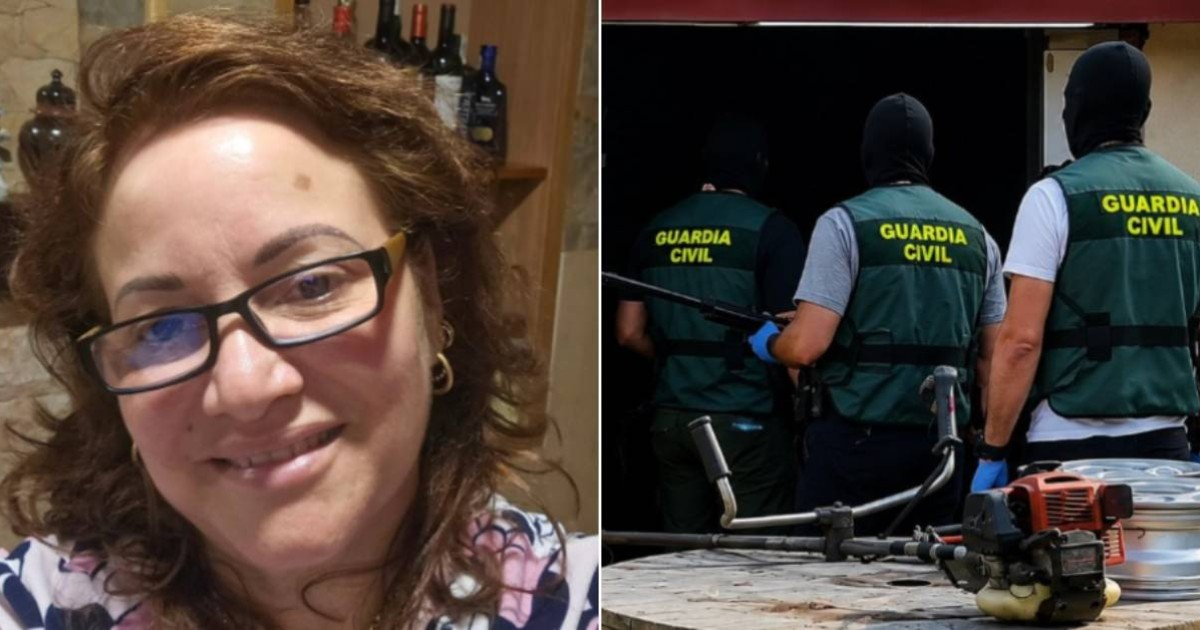
Jamaris Llanes Valdés, a Cuban originally from Morón, in the province of Ciego de Ávila, is the president of the Cuban-Galician Association "Haydée Santamaría", which was detained in Pontevedra, Galicia, as part of a drug operation that uncovered an alleged drug trafficking business involving pharmaceuticals and cocaine.
Llanes Valdés resides in Santa Cristina de Cobres, municipality of Vilaboa, where he founded the association in 2014 and took on the presidency. At that time, he was approximately 47 years old and was a well-known figure in the local Cuban community, where he also ran a fish market in Vigo.
Since its foundation, the entity has shown a close alignment with the Cuban regime. The official inauguration featured the presence of the Cuban Consul General in Galicia, José Antonio Solana Fernández, who presented a Cuban flag to the president.
Llanes Valdés, as noted in the report of the event, "expressed deep gratitude for the gesture and declared her love for her country and her commitment to the Cuban revolution."
The president regularly participated in official events at the Cuban consulate in Galicia. In 2018, she attended the tribute to José Martí in Santiago de Compostela, alongside the consul general and representatives of the local government. She was a strong supporter of the regime.
The Civil Guard of Spain reported that "since 2020, that association no longer exists. Its Facebook page has also not had much activity."
On its social media, the latest post is from 2025. The association shared content from Miguel Díaz-Canel and the Cuban Ministry of Foreign Affairs, launched attacks against figures of the exile community in Miami, and spread pro-Russian narratives regarding the invasion of Ukraine. The entity declared itself "plural and democratic" and expressed opposition to the "blockade" against Cuba.
The arrest: the discovery of drugs, weapons, and medications
On May 27, 2026, the Civil Guard and the National Police carried out the final phase of Operation "Bordafi/Dado," which began in February 2025, with seven searches in the municipalities of Sanxenxo, Poio, and Vilaboa. The outcome was the arrest of nine individuals and the discovery of an arsenal that included drugs, weapons, and an unusual quantity of medications.
The most striking discovery occurred at the Vilaboa chalet, which is listed as the headquarters of the Cuban-Galician Association "Haydée Santamaría". Authorities found four large cardboard boxes containing over 2,000 packets of medication, which were presumably intended to be sent to Cuba.
"There were many antidepressants, psychotropics of all kinds. We found Rivotril, Lexatin, Lyrica... approximately two thousand blister packs of more than 150 different drugs," declared the lieutenant chief of the Organized Crime and Drug Squad (EDOA) of the Civil Guard in Pontevedra, who described the volume as "an outrageous amount of medication."
Along with the drugs, 5.1 kilograms of cocaine, 117 grams of hashish, more than 30,000 euros in cash, 549 packets of smuggled tobacco, six shotguns, one rifle, ammunition, and 15 mobile phones were seized.
Llanes Valdés was placed in provisional custody without bail as the alleged leader of one of the two identified criminal cells. Her son was also arrested, although for a previous offense not related to the operation.
What did the supposed cargo for Cuba contain?
The shipment of medications contained many blisters of benzodiazepines and gabapentinoids. These products are very difficult to obtain in Spain and are subject to strict medical guidelines. Sources linked to the association stated that they were "donations for Cuba, possibly at the worst moment in the country's history."
The Civil Guard rules out that version: "We believe they were selling them to drug addicts, both online and to individuals who went to the specific residence to obtain those medications. They could also have been exported abroad," said the EDOA commander.
The humanitarian alibi has some credibility. In light of the health care collapse in Cuba, many organizations in Spain and around the world have launched campaigns to collect medicines to donate to hospitals and humanitarian associations on the island.
The Cuban Ministry of Health admitted in July 2025 that the system barely covered 30-32% of the essential medication list.
However, the nature of the seized drugs, with high potential for abuse among individuals with substance dependencies, reinforces the police hypothesis that the alleged humanitarian shipment was used as a cover for drug trafficking activities.
Filed under: