
Related videos:
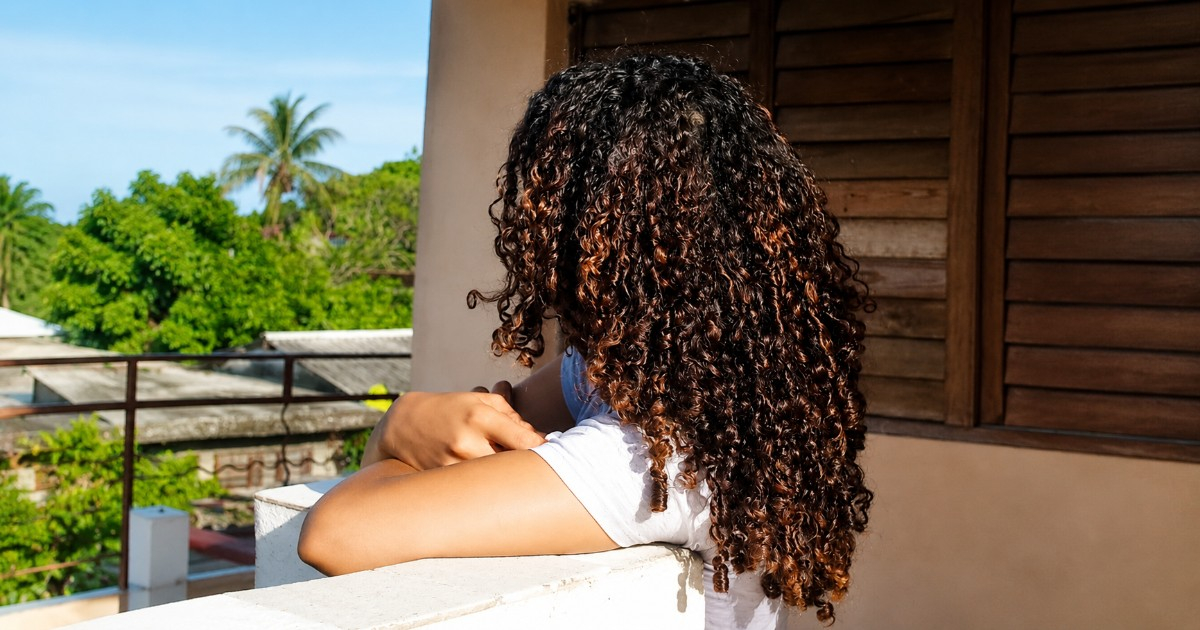
Shiorocio Sanz, a young Cuban who has become a representative voice for her generation on social media since the beginning of the year, described on Facebook how power outages have completely changed her daily routine.
Without water, without electricity, and with nothing to do, the lives of many young Cubans pass by as they sit on the porches of their homes or tell stories on street corners, waiting for a change that never arrives.
"I have become the neighborhood gossip, or at least that's what my neighbors must think. I don't mean to; really, if I had the choice, I wouldn't spend most of my day sitting on my porch, finding out what happens and what doesn't happen on the block," Sanz wrote with a mix of irony and exhaustion.
The young woman described the new rationing scheme implemented by the regime: three hours of electricity followed by six hours of blackout, a pattern that, according to her, "is not enforced as it should be for providing it, but definitely is for cutting it off."
"As a young person, I shouldn't just be lying around at home doing nothing, because yes, for those who ask, I do work, but the power outages affect everyone, so my workplace is also impacted," she explained.
Power outages have halted productivity in Cuba, and as Sanz points out, many companies, including private ones, have reduced their working hours.
At home, there is also no way out: with no water to clean or electricity to cook, Sanz mentions that he has organized his display 20 times, put out old clothes to give away, and even learned to apply makeup due to a lack of activities.
"It's a strange feeling, it’s like standing still in time while the world keeps moving forward," he wrote.
The porch, where at least there is a slight breeze against the tropical heat, has become his only refuge.
The situation you describe is not exceptional: it is the daily reality for millions of Cubans. Cuba is on the brink of an energy abyss, with 106 distributed generation plants out of service due to a lack of fuel.
The impact on youth is particularly severe. Approximately 800,000 Cuban youth are disconnected from work and education, according to reports from May 2026.
Eighty percent of households reported that blackouts affected food preparation, and one in three Cuban households indicated that at least one member went to bed without eating in the past year.
In February, Sanz spoke out publicly in a viral video, invoking Article 54 of the Cuban Constitution, denouncing blackouts lasting more than 48 hours, two months without water at her home, and a carton of eggs costing 3,000 pesos.
That activism came with a high price: she was summoned to the Capri police station on March 10 under the pretext of an "interview" that resulted in threats and attempts to use her to silence the activist Anna Bensi.
On March 20, agents showed up at his workplace. Despite the pressure, Sanz has not given in. His most recent publication ends with a phrase that summarizes the stance of a generation that is fed up: “Down with the dictatorship! Freedom!”
Filed under: