
Related videos:
A representative from the state agency Cubatur publicly acknowledged that tourism in Cuba has hit rock bottom and travelers are not interested in visiting the island.
"The tourists are afraid to come here," declared Adianet Labrada in a report from Reuters about the collapse of the sector published from Havana.
"Before, we regularly hosted many groups from around the world, but after the sanctions and the threat of military aggression, we practically lost them all," the official explained.
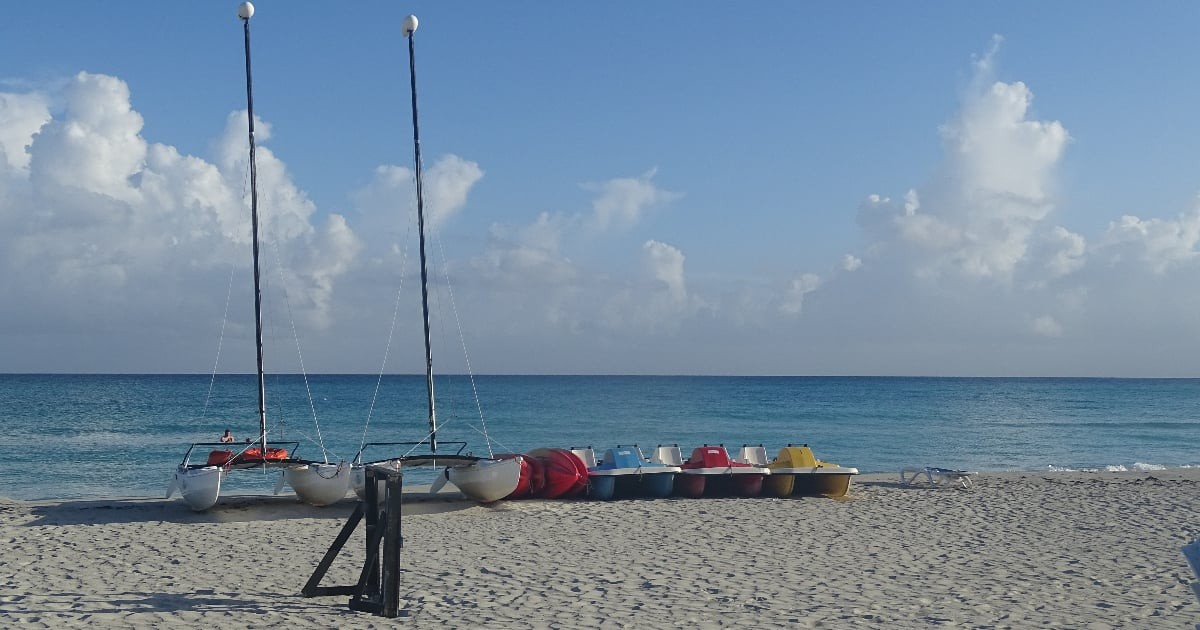
The confession summarizes the state of an industry in free fall, with hotels, restaurants, museums, and the streets of the historic center of Havana practically empty of foreign visitors and national customers, as salaries do not allow Cuban workers to enjoy leisure activities.
Official data confirms the collapse of the tourism sector
The National Statistics Office of Cuba reported that the country received only 328,608 international tourists between January and April 2026, a decrease of 55.8% compared to the same period in 2025.
In March, only 35,561 visitors arrived. The accumulated hotel occupancy hovers around 21.5%, and in some analyses, it falls below 10%.
The sector never recovered from the impact of the COVID-19 pandemic. The historical record was 4.75 million visitors in 2018, and in 2025 Cuba ended the year with just 1.81 million, the worst record since 2002.
The collapse of tourism has left around 300,000 Cuban workers in a situation of unemployment or underemployment.
The situation drastically worsened in 2026 with the tightening of U.S. sanctions. The State Department designated GAESA and its tourism arm Gaviota as sanctioned entities on May 7, and the Treasury gave foreign companies until June 5 to sever ties.
Disbandment of international operators
Blue Diamond Resorts, which managed 62 properties on the island, announced its complete exit. Meliá reported that 15 of its 34 hotels in Cuba would be affected, including the Gran Hotel Bristol Habana Vieja. Iberostar reduced operations in 12 establishments, including the Grand Packard in Havana.
At least 11 airlines, including Air Canada, Iberia, Air France, and Turkish Airlines, suspended flights to Cuba citing a lack of aviation fuel, a problem that has prevented foreign planes from refueling on the island since early February.
Since June 6, Visa and Mastercard suspended operations in Cuba following the break in relations of a foreign bank with FINCIMEX, adding a new logistical barrier for potential tourists.
Canada, the United Kingdom, and Germany have issued official warnings advising against travel to Cuba, citing shortages of fuel, electricity, food, water, and medicine. Three of the main source markets for tourists to the island have alerted their citizens.
Cuba loses almost half a million travelers in just four months, and the state agency responsible for promoting the destination can no longer hide what the numbers have been confirming for months. Cuban tourism, the main source of foreign currency for the regime, is sinking in real time.
Filed under: