
Related videos:
Thousands of Cuban families residing in Florida send survival packages to their loved ones in Cuba. The intensification of the crisis has radically transformed what is shipped from the shipping agencies to the island.
A report by Univisión shows the lines at shipping businesses in Miami. People describe a desperate situation on the island. Packages of miscellaneous items no longer just contain medicines and clothing; much more is needed.
The items that Cubans in the United States (especially in Miami and South Florida) are sending to Cuba more frequently are:
- Medicines and medical supplies are among the most essential products due to the shortage on the island.
- Non-perishable foods to help families in the face of food shortages.
- Powdered milk, a highly essential product to ensure breakfast for children and the elderly.
- Beans, because the price of grains is increasingly higher in Cuba.
- Essential supplies – A general category that includes basic products for daily life.
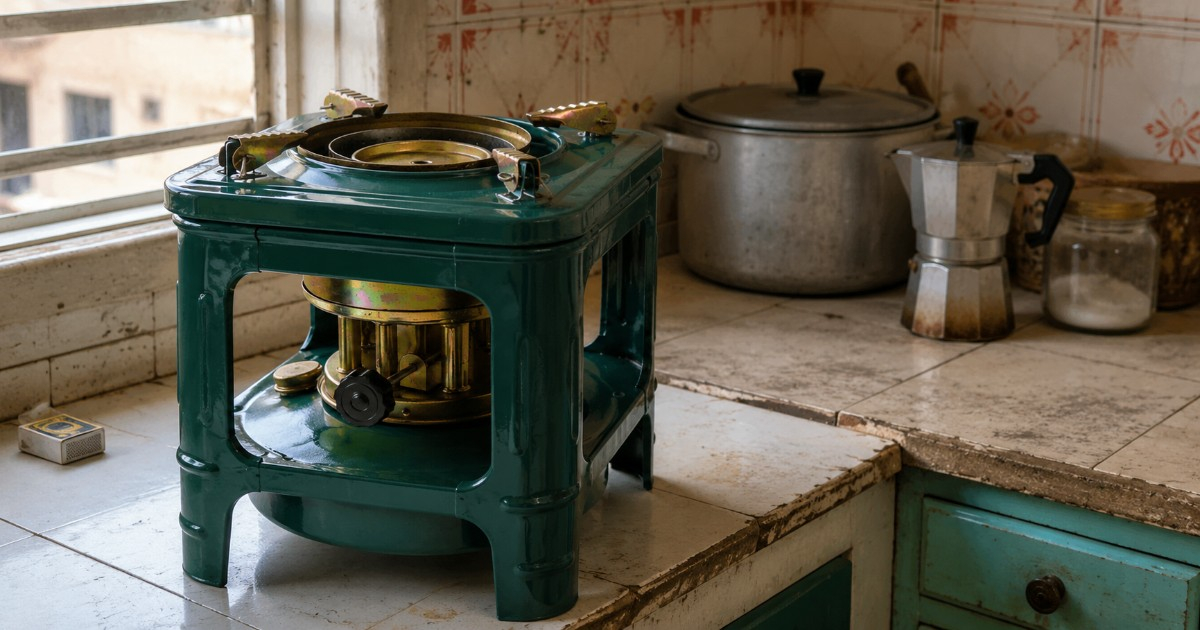
- Charcoal stoves. This shipment is becoming more frequent due to the energy crisis and power outages.
- Rechargeable batteries (the standout product).
- Portable power stations.
- Solar plants.
- Rechargeable fans and lamps.
- Mosquito nets.
The energy crisis has been the factor that has most altered the priorities of the diaspora when preparing the packages to send to Cuba.
The power outages lasting up to 22 hours a day in some areas have driven up the demand for rechargeable batteries, portable power stations, and solar plants.
The lack of electricity not only leaves thousands of people in the dark, but it also affects the supply of drinking water—whose pumps rely on electric power—and the preservation of food. For this reason, shipments of non-perishable food are increasing.
Among the non-perishable foods that Cubans frequently send from the United States to their relatives on the island, in addition to beans and powdered milk, are coffee, oil, sweet and savory cookies, canned tuna and sardines, as well as other canned and long-lasting products.
These foods are in high demand because they can be stored for months without refrigeration and help alleviate the shortages affecting many Cuban families.
The food crisis is severe in Cuba. Food Monitor Program reported that 96.91% of the Cuban population lacks adequate access to food.
The Minister of Food Industry, Alberto López Díaz, recently acknowledged that the state plan anticipated milk for over 500,000 children, but “we don’t have it even if we pay for it.”
The basic basket has not included oil, chicken, or yogurt so far in 2026, and in Havana, children have gone more than two months without receiving meat or ground beef through the ration book.
In this context, the solidarity of the diaspora has become a pillar of survival for millions of Cuban families.
The evolution of the packages leaving Florida—ranging from medicines and food to stoves, batteries, and solar panels—is the most accurate gauge of the deterioration of living conditions in Cuba after 67 years of communist dictatorship.
Filed under: