
Related videos:
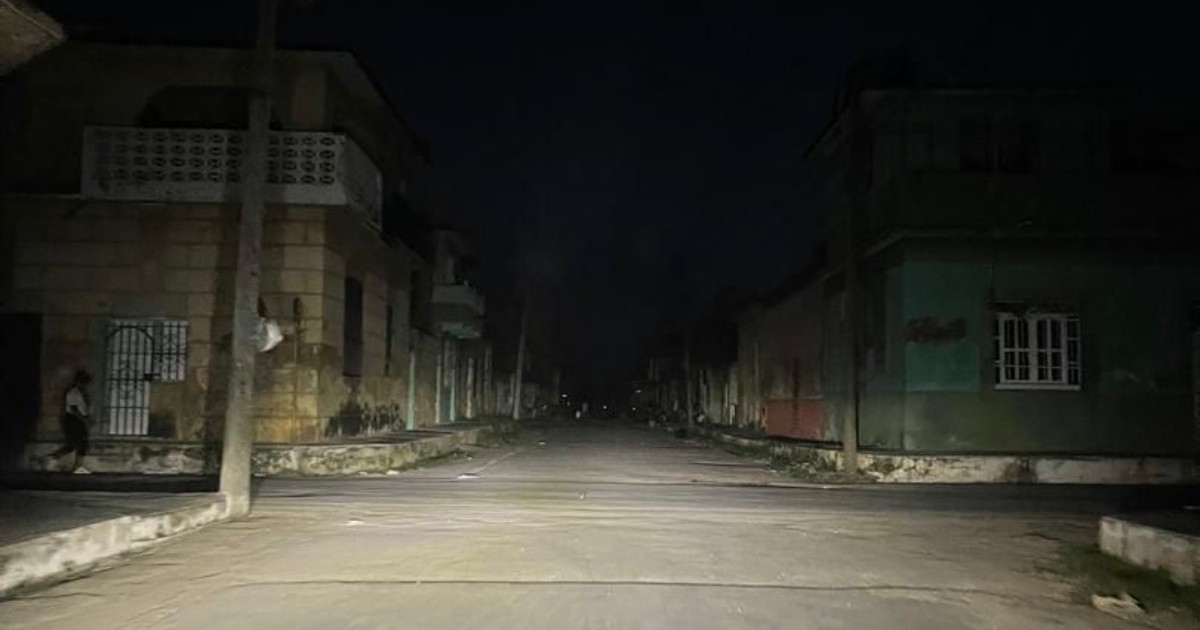
The Electric Union (UNE) forecasted that on the night of this Wednesday, there would be power service disruptions exceeding 2,000 MW, marking one of the worst days of the year for the Cuban energy system.
According to the official report from UNE for June 10, at 06:00 hours, the availability of the National Electro-Energy System was only 960 MW compared to a demand of 2,595 MW, with 1,635 MW already affected at that time.
For the peak nighttime demand period, the projection indicated a availability of 990 MW, a demand of 3,000 MW, and an estimated deficit of 2,010 MW, which means that Cuba generates only about a third of the electricity it needs.
The main factor contributing to the worsening situation is the breakdown of the Antonio Guiteras Thermoelectric Power Plant, one of the largest capacity units in the country, which has been out of operation for several days due to issues with the boiler's economizer.
Plant executives confirmed to Canal Caribe that the unit would not be ready for the nighttime peak: “The machine will not be available for the maximum demand of the system; that is what we are anticipating.”
The technicians are reviewing all the welding of the damaged component to prevent a new failure during reconnection, as the latest issues at Guiteras have occurred in the same area.
"We are reviewing all the components that experienced failure in order to minimize the likelihood of the unit encountering a failure in that area again," explained an executive from the plant.
At the exit of Guiteras, there are additional breakdowns in units from the Máximo Gómez, Ernesto Guevara De La Serna, and Lidio Ramón Pérez plants, while the unit in Santa Cruz del Norte could be brought back online late at night.
This is compounded by the fact that 106 distributed generation plants were out of service due to a lack of fuel, amounting to 890 MW, with a total of 1,203 MW unavailable due to a shortage of hydrocarbons.
The previous day, there were disruptions lasting 24 hours, with a peak recorded at 2,044 MW at 9:00 PM, and in the province of Granma, some circuits had accumulated more than 45 consecutive hours without electricity service.
The June crisis is part of a sustained deterioration throughout 2026: in January, the deficit was around 1,970 MW; in April, it surpassed 1,400 MW; and on May 14, the worst deficit of the year up to that point was recorded, reaching 2,174 MW.
The regime attributes the blackouts to the U.S. embargo, claiming that the sanctions prevent ships carrying hydrocarbons from arriving. However, the root of the collapse is structural: thermoelectric plants that are 40 to 50 years old, chronic underinvestment, and reduced oil supply from Venezuela and Mexico, all direct consequences of 67 years of communist dictatorship.
UNE executives acknowledged to Canal Caribe that "the current situation is complicated and difficult," with prolonged impacts expected across all provinces of the Cuban archipelago.
Filed under: