
Related videos:
The National Oceanic and Atmospheric Administration (NOAA) confirmed that the oceanic and atmospheric conditions of the El Niño/Southern Oscillation (ENSO) event are already present, with projections indicating an accelerated intensification in the coming months and direct consequences for Cuba in the form of drought and extreme heat.
According to the report from the NOAA Climate Prediction Center, there is a 63% chance that the phenomenon will reach the category of "very intense" between November 2026 and January 2027.
If that forecast comes to pass, the event could become one of the strongest recorded since the second half of the 20th century to the present.
For Cuba, the return of El Niño brings with it, according to specialists from the Climate Center of the Institute of Meteorology (Insmet), "a greater probability of establishing drought conditions during the rainy season months," which runs from May to October, "as well as having warmer summers than usual."
This scenario arrives at a particularly vulnerable moment for the island: until March 2026, drought affected 62% of the national territory, and water reserves were at 38% of their capacity, the lowest level since 2015.
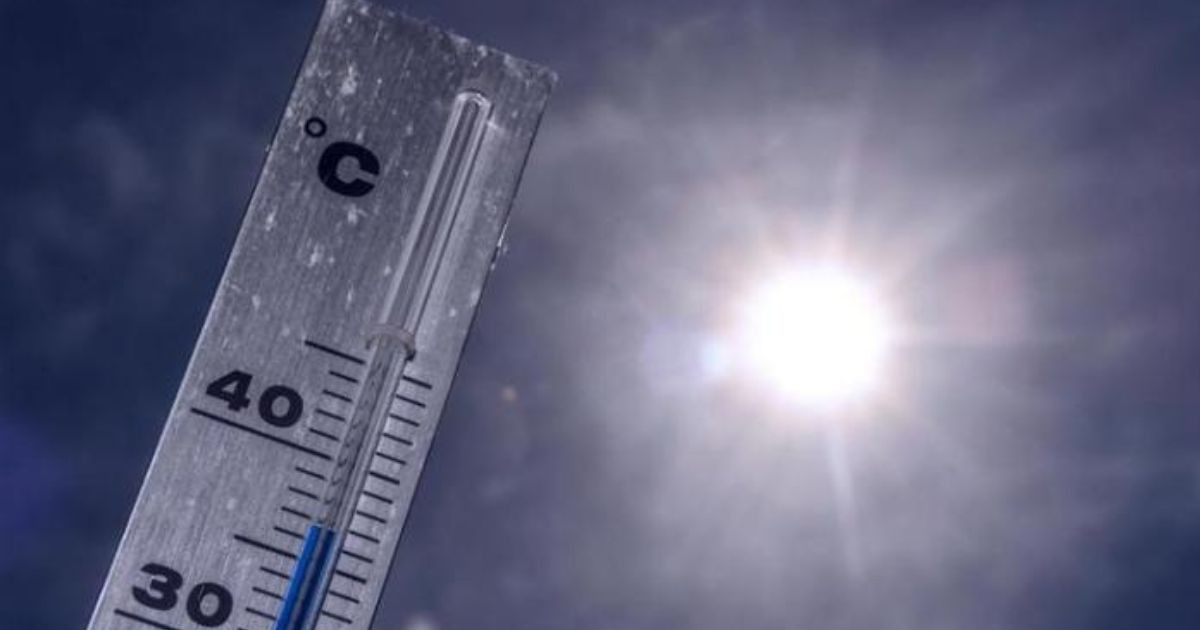
A forecast released in April already warned that extremely high temperatures, more consecutive days of intense heat, and increased water stress in Cuba were expected between June and August.
The closest precedent is the summer of 2025, when Cuban specialists first linked the heatwaves to an increase in daily mortality, especially among the elderly, children, pregnant women, and patients with chronic illnesses.
The phenomenon also has implications for the ongoing hurricane season.
Insmet specialists indicate that the presence of ENSO "tends to suppress cyclonic activity in the tropical Atlantic basin by reinforcing what are known as upper-atmosphere wind shear," which complicates the formation and intensification of tropical cyclones.
However, they warn that "this in no way eliminates the risk of at least one organism being affected in Cuba."
Insmet projected a 40% probability that at least one hurricane will impact the island during the 2026 hurricane season, and a 75% probability that a tropical storm will do so.
The El Niño episode of 1997-1998 —the most intense of the 20th century— left Cuba with a severe drought that worsened the already fragile situation of the agricultural sector, a scenario that meteorologists do not rule out could repeat itself with the current event.
"The Climate Center of Insmet closely monitors the evolution of ENSO," concludes the official report, in a context where the Cuban population is already facing water shortages and extreme temperatures without the necessary resources or infrastructure to mitigate their effects.
Filed under: