
Related videos:
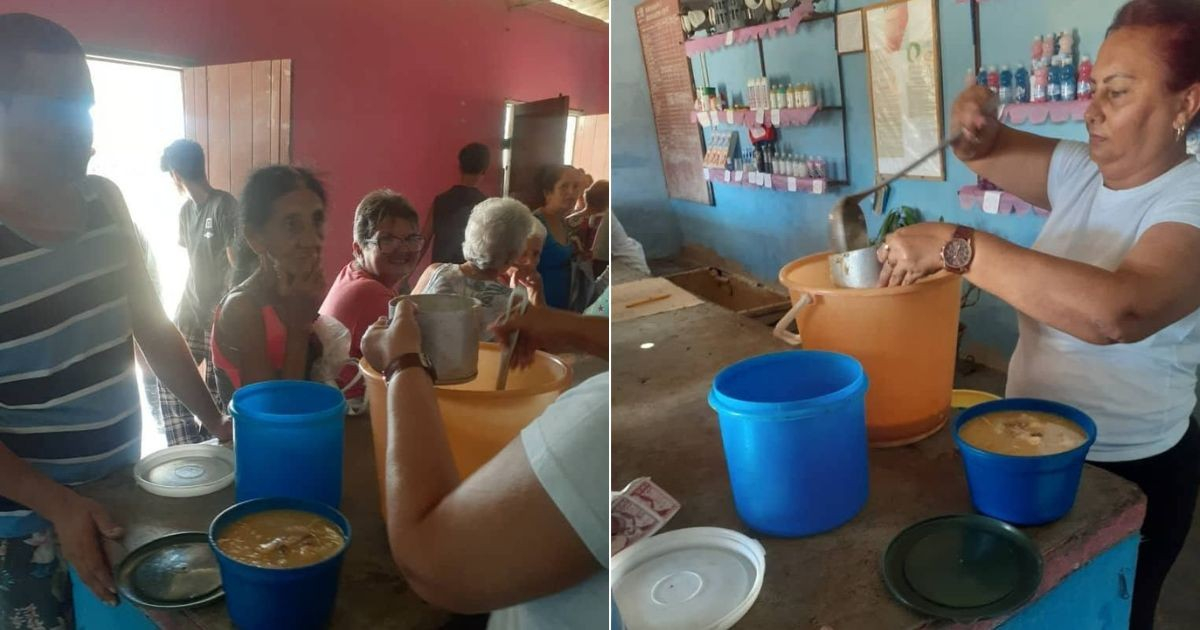
The bodegas in the municipality of Manicaragua, in Villa Clara, are selling caldosa as a "nutritious and traditional alternative in the current scenario," according to a post on Facebook this Sunday by the government account "Soy Villa Clara."
The workers at the sales point «La Quinta», in the Manicaragua 3 Popular Council, are responsible for providing the broth to the community on this occasion, according to the post that carries the hashtag #VillaClaraConTodos.
The official text itself reveals that this is not a one-time event: the verb "continues" indicates that the sale of caldosa in the stores of Manicaragua is a recurring practice that has been spreading throughout the municipality.
The initiative is framed within the regime's usual rhetoric to recontextualize precariousness as tradition: presenting an emergency dish as a "nutritious option" when state warehouses barely distribute rice, sugar, and peas in many provinces, lacking meat, oil, and flour.
The pattern is neither new nor exclusive to Villa Clara. In March 2026, the "Jagüey Bonito" winery in Manicaragua donated stew to expectant mothers at the local Maternal Home, an action that generated criticism on social media for reflecting poverty more than solidarity.
In March 2025, the government of Santiago de Cuba sold caldosa and tea as a substitute for bread due to the scarcity of wheat flour, which also impacted Matanzas and Cienfuegos.
In April 2026, Hotel La Dominica in Cárdenas was serving caldosa every Sunday to those in need amidst the food crisis, and in December 2025, residents of Mulgoba prepared caldosa for those without dinner on Christmas Eve due to skyrocketing prices and shortages in the markets.
This speech was rehearsed at the ministerial level in July 2025, when the Minister of Domestic Trade, Betsy Díaz Velázquez, introduced plantain croquettes and a "base broth" as culinary alternatives in response to shortages, receiving significant criticism from the public.
Caldosa is a traditional Cuban dish, a thick soup similar to ajiaco, made with meats, root vegetables, and greens, historically associated with popular celebrations and community events.
Its systematic appearance in state-run warehouses as a "nutritious alternative" signifies a symbolic investment: from festive dish to emergency substitute.
The magnitude of the food crisis underlying these initiatives is highlighted by the data: according to the Food Monitor Program, 96.91% of the Cuban population lacks adequate access to food, and the survey
"Food Insecurity in Cuba 2025" revealed that 33.9% of households had at least one member who went to bed hungry in the past year.
Havana has gone two months without meat or ground beef for children in the stores at the end of this week, yet another example of the collapse of the supply system that the regime tries to disguise with soup and hashtags.
Filed under: