
Related videos:
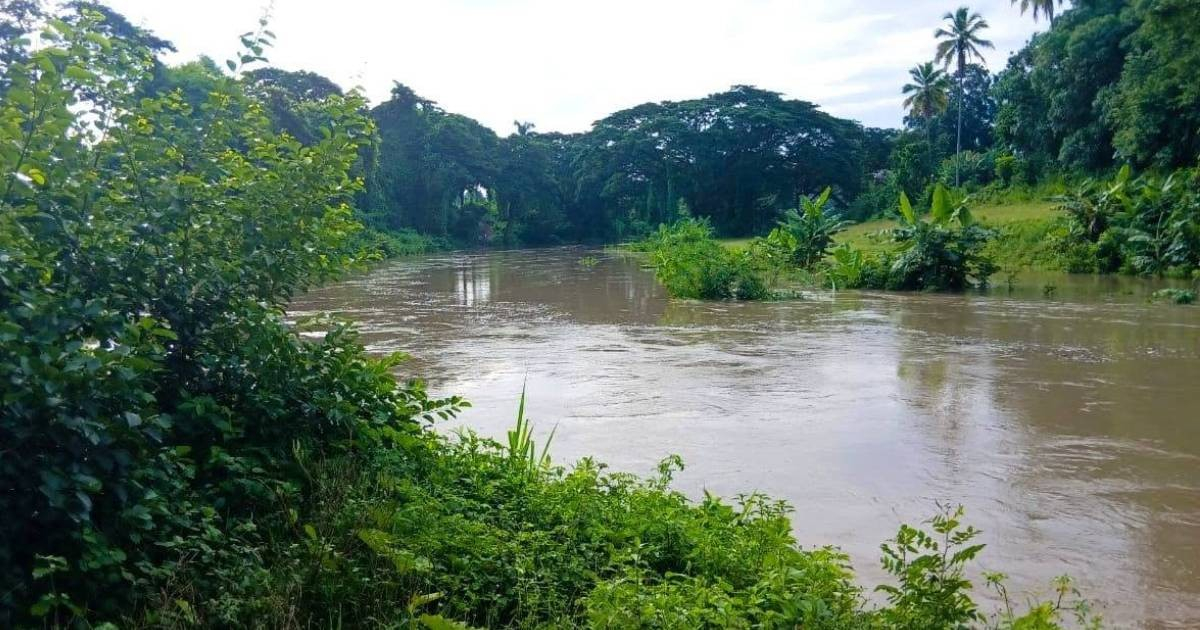
Authorities in the municipality of Yara, in Granma, issued a warning to the population this Sunday regarding the increased flow of rivers caused by the release from the Paso Malo dam, a situation that could pose a risk to several areas located downstream from the reservoir.
The warning was issued by Yosvanys Reyes Fernández, president of the Municipal Assembly of Popular Power in Yara, who urged residents to take extra precautions while water levels remain high, as reported by the official broadcaster CMKX Radio Bayamo.
"It is recommended to avoid crossing the Jobosí bridge or areas near the beach while the water level remains high," stated the official.
According to the explanation, the spill from the dam previously reached 118 cubic meters per second, and at the time of the report, it had decreased to 91.8 m³/s, indicating a gradual reduction in flow, although authorities continue to monitor the situation.
Reyes Fernández stated that the reservoir is under constant monitoring and that any significant changes will be promptly communicated to the public.
The Paso Malo dam, located on the Yara River, is one of the most important hydraulic structures in eastern Cuba. Its automatic spillway system causes water to be discharged downstream once the storage capacity is exceeded, increasing the risk for nearby communities.
According to the established parameters for the installation, a flow of 150 m³/s can reach the level of the Yara-Jobosí bridge; starting at 300 m³/s, flooding begins in the lower areas, and if the flow reaches 500 m³/s, there could be impacts in the municipal capital.
The alert in Yara comes amid a period of heavy rainfall affecting several eastern provinces. On Saturday, flooding was also reported in the city of Holguín after a river overflowed on Mendieta Street, where the water reached heights between 30 and 50 centimeters.
Precipitation has been favored by a persistent trough over eastern Cuba, a phenomenon that has increased the risk of flooding in provinces such as Holguín, Granma, and Guantánamo during the early weeks of June, coinciding with the start of the cyclone season.
At the beginning of this month, a severe local storm caused flooding in Bayamo, resulting in flooded streets, downed trees, and disruptions to the electrical service.
The residents of Granma are well aware of the dangers associated with water discharges from dams. In November 2025, the Paso Malo, Bueycito, and Derivadora Yao reservoirs discharged simultaneously, a situation that forced the evacuation of about 150 people in Yara and left thousands of families isolated in other areas of the province.
The current rainy season finds Cuba in a context marked by deteriorating infrastructure, difficulties in the electrical system, and a shortage of resources to respond to emergencies—factors that increase the vulnerability of numerous communities to extreme weather events.
Filed under: