
Related videos:
The Iranian regime declared victory on Tuesday after reaching a hypothetical ceasefire agreement with the United States, which would bring an end to 110 days of war that began on February 28, 2026, when Washington and Israel launched a campaign of coordinated attacks against military and nuclear facilities in Iranian territory.
According to the official agency IRNA, the Secretariat of Iran's Supreme National Security Council officially announced the agreement on June 14, establishing an immediate and permanent cessation of hostilities on all fronts, including Lebanon, and the complete lifting of the naval blockade in the Strait of Hormuz.
The memorandum of understanding, known as the "Islamabad negotiations" due to Pakistan's mediating role, will be formally signed this Friday, June 19, in Switzerland, with Qatar also recognized by Tehran as a key diplomatic facilitator.
According to the regime's agency, among the agreed points, the U.S. recognizes the sovereignty and territorial integrity of Iran and Lebanon, and has reportedly committed to unblocking at least 12 billion dollars in Iranian funds frozen due to oil sales.
The most sensitive issues —the Iranian nuclear program and the lifting of sanctions— would be deferred to a second phase of negotiations, contingent upon the prior fulfillment of the commitments outlined in the memorandum.
Iranian authorities frame the agreement as a victory for the regime's survival, rather than a conventional military triumph.
"The enemy believed that the country would collapse during the war and that the market, the administrations, and the system would cease to function. But that did not happen," declared President Massoud Pezeshkian at a conference in Tehran in front of provincial governors and mayors.
The regime survived despite the assassination of Supreme Leader Ali Khamenei in the early hours of the conflict, the deaths of dozens of commanders, and a deep economic crisis that was already severe before being exacerbated by the mass protests of January 2026, which were suppressed with unprecedented violence.
Iranian authorities acknowledge 3,117 deaths due to those protests, while the human rights organization Hnara has identified over 7,000 fatalities and is investigating another 11,000 disappearances. For his part, President Donald Trump once estimated the number of Iranian civilians killed by the repression of the ayatollahs' regime at 42,000.
It was precisely that context of internal weakness that led Trump and Benjamin Netanyahu to conclude that a military attack could bring down the regime from within.
"Trump and Netanyahu were confident that the population would take to the streets to overthrow the system. What they did not understand is that the population was scared after what happened in January; they did not want to risk their lives without the certainty of achieving something," explained a local journalist to the Iranian agency.
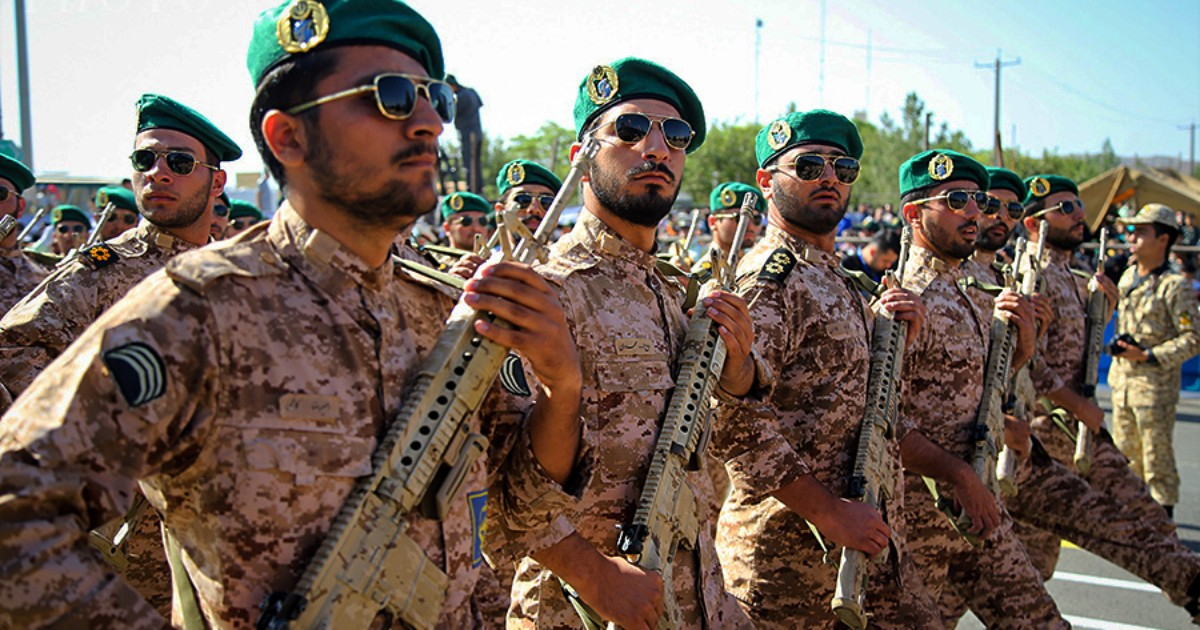
The Revolutionary Guard, which had learned lessons from the "12-day war" in June 2025, responded more swiftly in this new conflict, launching missile and drone attacks against U.S. bases in the region.
The Minister of Foreign Affairs, Abbas Araqchi, warned that future negotiations will take place in an atmosphere of deep mistrust: "We are planning the negotiation process and the implementation of the agreement based on mistrust, on past failures to meet commitments, and on previous experiences."
Araqchi was also emphatic about the nuclear program: "There is no military solution to the Iranian nuclear program. The only solution is diplomacy. That is why the United States has returned to the negotiating table."
Skepticism about the durability of the agreement is widespread, and the second phase of negotiations —which will include the nuclear program and the lifting of sanctions— is shaping up to be the real diplomatic battleground between Washington and Tehran in the coming months.
Filed under: