
Related videos:
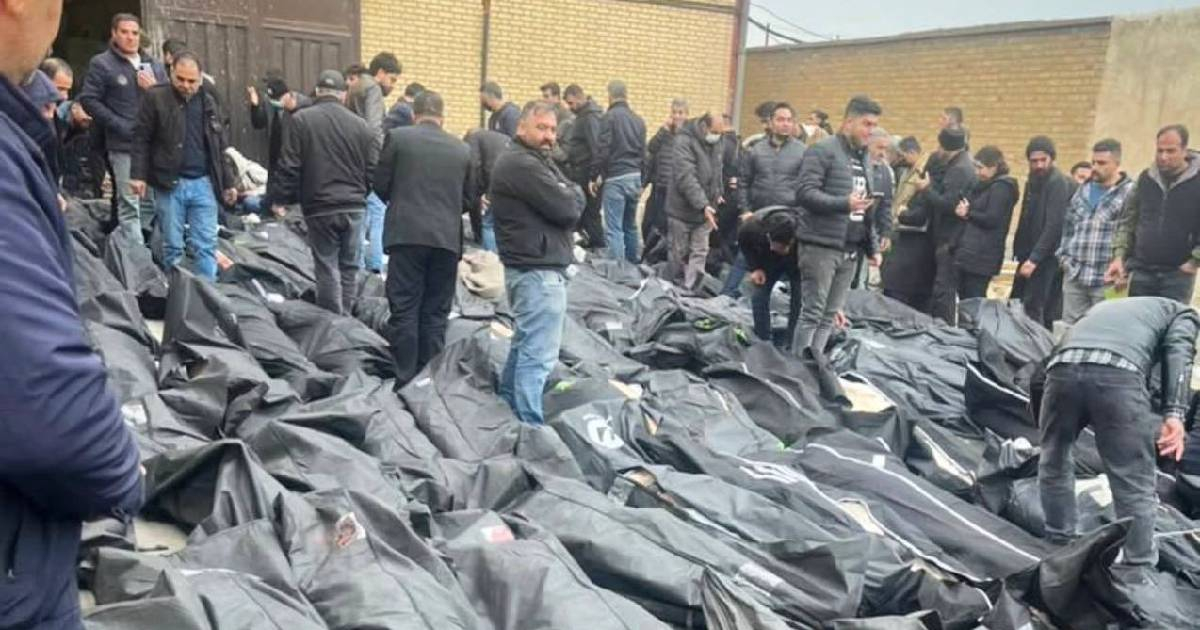
The protests in Iran have become one of the bloodiest crises in its recent history, with a death toll that could exceed 12,000 according to internal sources consulted by CBS News, and some activist groups even raise it to as high as 20,000.
The repression of the theocratic regime has been described as "unprecedented" by the international press and human rights organizations.
The President of the United States, Donald Trump, stated that he is considering "all options" to respond to the repression of the Iranian regime, including diplomatic, cyber, and military measures.
"Iranian patriots, keep protesting, take your institutions! Help is on the way," Trump wrote on his social media platform Truth Social.
Sources from the White House confirmed to Reuters that the president has suspended all meetings with Iranian officials until the killings of protesters cease.
The Secretary of State, Marco Rubio, leads the crisis committee assessing potential international responses.
According to the British outlet BBC News Mundo, correspondents in Tehran have confirmed that the death toll has already surpassed 2,000 according to official Iranian figures, but independent organizations estimate that the actual number could be much higher.
"The current protests are broader and more consistent than any other recorded in the 47 years of the Islamic Republic," stated Iranian sociologist Eli Khorsandfar.
The protests, which began on December 28 due to the economic collapse and the devaluation of the rial, quickly spread throughout the country. The demonstrators chant slogans such as "Death to the dictator!" and demand the ousting of the supreme leader, Ayatollah Ali Khamenei.
Unlike the movements of 2009 and 2022, this time the protests have spread to small towns and rural areas, making it more difficult for security forces to maintain control.
At a press conference, Trump stated that Iranian repression constitutes "a moral atrocity" and warned that the United States "will not stand idly by while the regime massacres its own people."
When asked by journalists about the meaning of his phrase "help is on the way," the president responded, "You will find out soon."
The human rights group HRANA, based in the United States, reported the verification of 2,003 confirmed deaths, of which 1,850 are protesters.
Additionally, it recorded over 16,000 arrests in two weeks. The organization warns that the actual number could be much higher due to the internet blackout imposed by the regime for several days.
The President of the European Commission, Ursula von der Leyen, described the situation as “horrific” and called for immediate international sanctions. The United Kingdom, France, Germany, and Italy summoned the Iranian ambassadors in their capitals to formally express their protest.
Analysts claim that these protests represent the greatest internal challenge to the regime since 1979.
"What began as an economic protest has transformed into a widespread political uprising," notes the BBC.
In neighborhoods of Tehran, residents have erected barricades, and clashes with militias from the Revolutionary Guard have been reported in several cities.
Meanwhile, the Iranian Foreign Minister, Abbas Araqchi, acknowledged that he is in communication with the U.S. special envoy Steve Witkoff to "explore ideas," although he described Washington's proposals as "incompatible with public threats."
Images circulated by international media show overwhelmed hospitals, militarized streets, and makeshift graves in the southern part of the country. Families of the victims claim that authorities refuse to hand over the bodies and threaten those who attempt to organize public funerals.
With the death toll exceeding 12,000, Iran is facing its darkest hour.
The combination of brutal repression, economic collapse, and international isolation leaves the regime at its most vulnerable moment in nearly half a century.
Filed under: