
Related videos:
The energy crisis in Cuba has reached an unprecedented level: the nuns responsible for making the communion wafers for all the parishes in the country can no longer produce them due to a lack of electricity.
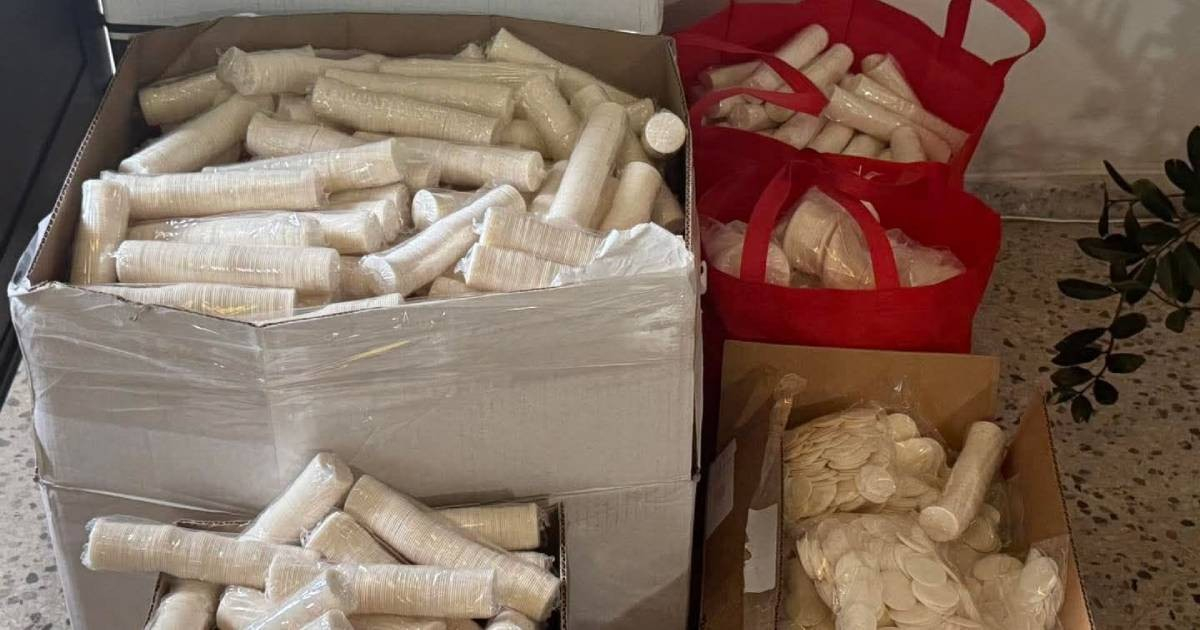
In light of this situation, the Archdiocese of San Juan, Puerto Rico, mobilized nearly 300,000 Eucharistic forms to support the celebration of mass in Cuban churches, according to a report by InfoCatólica.
The hosts began to arrive on the island in recent weeks and are personally received by Cardinal Juan de la Caridad García Rodríguez, Archbishop of Havana.
Behind the emergency are the Discalced Carmelite Mothers of the Monastery of Santa Teresa and San José, located in El Vedado. For years, the nuns have been the sole producers of the hosts used by Catholic parishes throughout Cuba.
However, the prolonged blackouts have practically halted their work.
"The Carmelite sisters produce the hosts for all of Cuba. They need time and they need to operate the machinery, the press for that (...) two hours of electricity are very limited. So this results in reduced production," explained Dominican priest George Payano to the AFP agency.
The nuns themselves recently acknowledged the seriousness of the situation.
"Due to the power outage, we are unable to make the communion hosts," they stated in a communiqué, also announcing that the available supplies would be rationed in an effort to serve all the Catholic communities in the country.
The response from Puerto Rico was immediate
The Archbishop of San Juan, Monsignor Roberto González Nieves, called on parishes, priests, and religious communities to collaborate with the Cuban Church. The campaign gathered around 300,000 hosts, many of which were made by the Dominican Sisters of the Cloister at the Mother of God Monastery in Manatí.
The request coincided with the celebrations of the Solemnity of the Most Holy Body and Blood of Christ, one of the most important dates in the Catholic liturgical calendar.
Puerto Rico has not been the only one to come to the aid of the Cuban Church. The Archdiocese of Panama sent another 35,000 hosts made by the Sisters of the Monastery of the Visitation. The shipment was transported free of charge by Copa Airlines to Havana and received by the Medalla Milagrosa Parish in Guanabacoa.
In the letter that accompanied the shipment, the Panamanian Archbishop José Domingo Ulloa Mendieta emphasized that "when a community lacks the means to celebrate this mystery, we feel the evangelical duty to lend a hand and support it."
The halt in the production of communion wafers is merely another manifestation of the crisis the country is experiencing.
This is the second time in less than five years that the Carmelites have had to halt or limit their production. In 2022, the issue was a shortage of flour; now it is the lack of electricity.
Cuba is currently facing one of the worst energy crises in its recent history, with generation deficits exceeding 2,000 megawatts and blackouts in some provinces lasting over 20 hours a day.
The difficulties also impact the distribution of humanitarian aid. The Archbishop of Miami, Monsignor Thomas Wenski, recently warned that the fuel shortage has complicated the transportation of donations within the island, even requiring the use of horse-drawn carts and oxen to deliver food to needy communities.
In May of last year, the president of the Conference of Catholic Bishops of Cuba, Monsignor Arturo González Amador, described the situation with a phrase that reflects the sentiment of many Cubans: "The most difficult and saddest moment in the history of my people that I am aware of."
Filed under: