
Related videos:
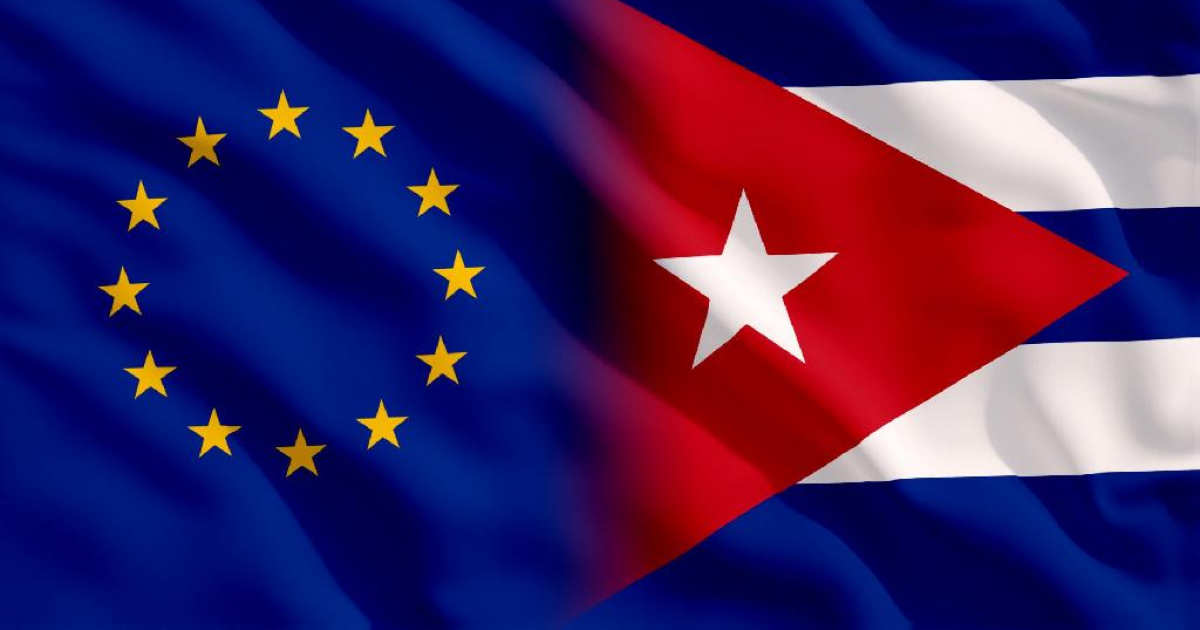
The European Parliament has just approved a strong resolution regarding Cuba with 283 votes in favor, 199 against, and 85 abstentions. This is not a routine statement nor another symbolic condemnation. The European Parliament has called for sanctions against those responsible for repression, the immediate and unconditional release of all political prisoners, deep economic and political reforms, direct humanitarian aid to the Cuban people, and the end of the regime's military cooperation with Russia and Belarus.
The resolution condemns the systematic repression carried out by the Castro-communist regime and states that Cuba, after more than six decades of communism, is on the verge of becoming a failed state. It also notes that the current humanitarian emergency —with 89% of families in extreme poverty— is not a result of any external embargo, but rather a failure of the very model imposed by the dictatorship.
This is a statement of enormous political and moral significance: Europe recognizes that the main cause of Cuban misery is not external to Cuba, but rather in the totalitarian system that has devastated the economy and nullified fundamental human rights and freedoms.
The Parliament recalls that, at the end of May 2026, Cuba had 1,281 political prisoners, a record number, including minors. Therefore, it demands the immediate and unconditional release of all of them and of all individuals who have been arbitrarily detained for exercising their rights. It also calls for an end to torture, ill-treatment, and reparations for the victims. The resolution does not merely call for abstract reforms; it puts specific victims of repression at the forefront.
One of its most important points is the call to apply specific sanctions within the global regime of European Union sanctions regarding human rights against those responsible for repression. Among them, it mentions the dictator Miguel Díaz-Canel and the leaders of GAESA, the military conglomerate that controls a decisive part of the Cuban economy and materially supports the repressive machinery. It also calls for the European Union to suspend the Political Dialogue and Cooperation Agreement with the Cuban regime if there are no clear steps towards a democratic transition in the short term.
That agreement, presented for years as a means to encourage openness and respect for human rights, has practically served to oxygenate, legitimize, and finance a tyranny that does not engage with its people. Under its implementation, the regime has continued to imprison opponents, suppress peaceful protests, criminalize independent media, harass the families of prisoners, persecute religious freedom, and condemn thousands of Cubans to exile.
The resolution also points to a transition led by the Cubans themselves, both on and off the Island, towards full multi-party democracy, without persecution, imprisonment, torture, or killings of those who dissent.
It demands sustainable economic reforms, support for independent actors and private initiatives to prevent a complete collapse. Moreover, it calls for humanitarian channels to ensure that energy, food, and medicine reach the Cuban people directly, not the corrupt hands of the regime.
Equally relevant is the condemnation of the Cuban regime's support for Russia's aggressive war against Ukraine, including the recruitment of Cubans to fight against the Ukrainian people, as well as the increase in military cooperation with Moscow and its alignment with Lukashenko's dictatorship in Belarus.
The Cuban regime is not a neutral partner for Europe; it is an ally of the enemies of freedom.
Now it is time for the European Commission, the Council, and the High Representative for Foreign Affairs, Kaja Kallas, to act; they can no longer look the other way. The Parliament has spoken clearly, and we are very grateful to them. They pointed out those responsible, identified the reasons for the failure of the model, called for sanctions, demanded the release of political prisoners, requested direct aid to the people, and warned about the need to suspend the agreement if there is no real democratic transition.
The European Union must decide whether it stands with the Cuban people or with tyranny. Words and verbal condemnations are not enough. It is necessary to cut all cooperation that strengthens repressive structures, sanction the executioners, directly support independent civil society, recognize the democratic opposition, and prepare a genuine assistance policy for the transition.
When Cuba is free, Cubans will remember who stood by the victims and who preferred to align with the oppressors. Europe still has time to correct its course. It would not be wise to lose a people that admires it, desires to have it as an ally, and seeks to establish important commercial ties, but who will not forget the difference between true solidarity and complicity disguised as constructive dialogue.
Filed under:
Opinion article: Las declaraciones y opiniones expresadas en este artículo son de exclusiva responsabilidad de su autor y no representan necesariamente el punto de vista de CiberCuba.