
Related videos:
The Cuban regime announced the authorization of private banks, non-banking financial institutions, private currency exchange offices, and private remittance operators as part of the package of 176 economic and social measures presented by Prime Minister Manuel Marrero Cruz to the National Assembly of People's Power.
The initiatives included in the so-called Axis 11 on banking, financial, and exchange systems also contemplate the opening of foreign currency accounts for individuals and legal entities without prior authorization, the regulation of virtual assets and financial technologies, the removal of limits on transfers and bank withdrawals, and the creation of a real-time digital exchange market.
The measures were presented during the Third Extraordinary Session of the National Assembly, according to the document released by Granma, the official organ of the Communist Party of Cuba.
Among the measures presented to the lawmakers is the participation of both national and foreign private capital in banking activities. The document includes the creation of private banks and non-bank financial institutions that would operate under the supervision of the Central Bank of Cuba.
The establishment of specialized microcredit entities will also be permitted, a tool that has been virtually nonexistent until now within the Cuban financial system.
The reform also includes the opening of accounts in foreign currency for individuals and legal entities without the need for prior administrative approvals, as well as the regulation of virtual assets and financial technologies (fintech) for domestic and international payment and collection operations.
As part of the measures, Transfermóvil will receive a license as a non-banking financial institution, expanding its functions within the country's digital financial services.
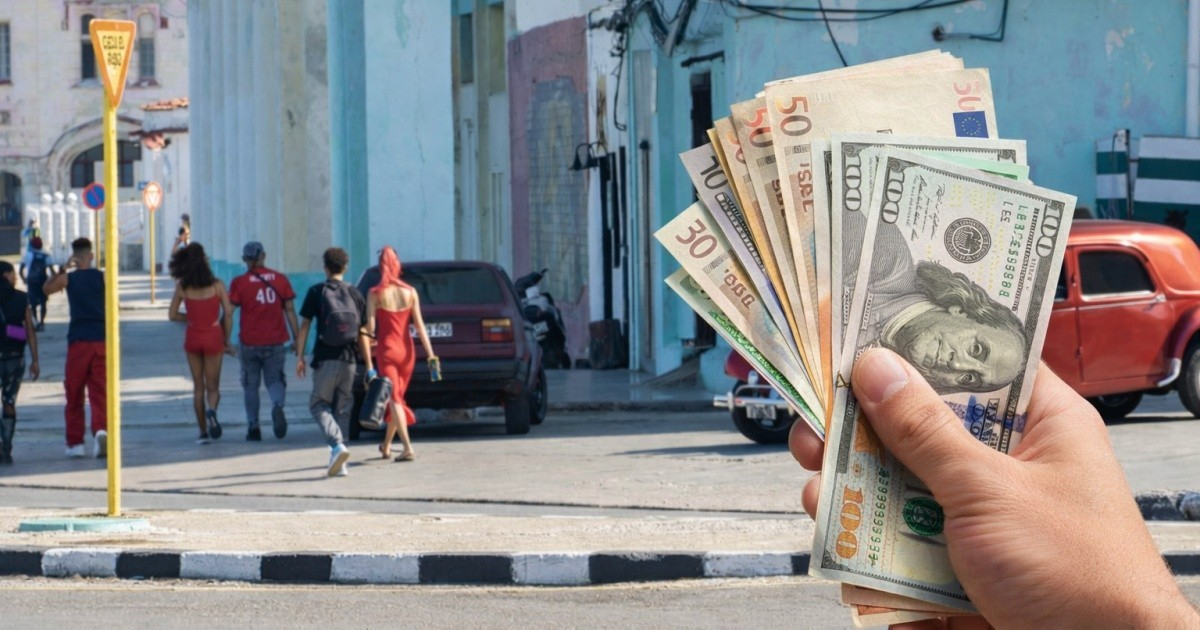
One of the most significant changes focuses on the foreign exchange market. The government announced that it will restructure the official currency market by involving non-state economic actors, including the authorization of private exchange houses and private remittance operators.
The proposal also includes the creation of a real-time digital exchange market with authorized agents and the implementation of a currency auction system.
Authorities also plan to carry out successive devaluations of the Cuban peso to reduce the differences between the various existing exchange rates. According to the document presented to the Assembly, state-owned enterprises that fail to adapt to the new exchange conditions could be dissolved.
Another aspect included in the reforms is the formalization of remittances through authorized private channels. To achieve this, the concept of a "last-mile payment agent" is proposed, along with the creation of non-banking financial institutions, both state and private, dedicated to channeling financial flows and currency operations.
The measures come in a context marked by the increasing importance of the informal foreign exchange market and the challenges faced by the State in obtaining hard currency through official channels.
The package also includes changes that directly impact micro, small, and medium-sized enterprises (mipymes), cooperatives, and other non-state economic actors. Among these is the authorization to deposit cash in foreign currency into bank accounts and subsequently withdraw it in the same currency, provided that the legitimate source of the funds is declared.
The measure reverses the restriction imposed since June 2021, when the Central Bank of Cuba suspended the acceptance of cash deposits in US dollars within the national banking system.
Likewise, limits on bank transfers and cash withdrawals for individuals and legal entities, both domestic and foreign, will be eliminated.
The financial reforms are part of a broader package that includes changes in state-owned enterprises, foreign investment, the tax system, pricing policy, foreign trade, and the role of non-state economic actors.
The announced measures also include the expansion of private participation in various economic sectors, new forms of foreign investment, the creation of input markets, changes in price formation, and modifications in the relationships between the State and businesses.
Although the government insists that the measures do not alter the essence of the socialist model, the opening to private banks, remittance operators, and private exchange houses represents an unprecedented shift in financial policy over the last few decades and indicates a partial reduction of the exclusive control that the state has historically maintained over these activities.
The implementation of these measures will require extensive regulatory reform. According to the presentation made before the National Assembly, the changes will affect more than 148 provisions of the Cuban legal framework and will necessitate the repeal, amendment, or creation of dozens of regulations, including 10 laws, 14 decree-laws, and eight decrees.
Filed under: