
Related videos:
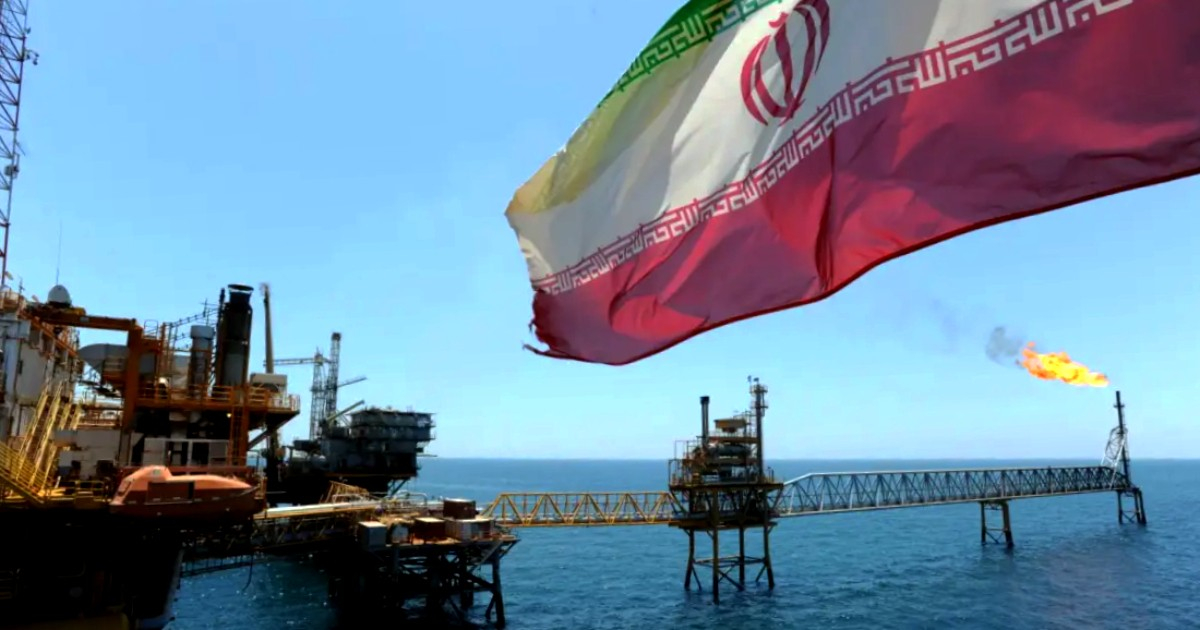
The U.S. Department of the Treasury issued a temporary license on Monday that authorizes the production, sale, and delivery of Iranian oil for 60 days, as part of the diplomatic progress made in Switzerland.
However, the document explicitly excludes Cuba from any transaction covered by this authorization.
The measure, known as General License X from the Office of Foreign Assets Control (OFAC), will be in effect until August 21, 2026, and also covers petrochemical products and petroleum derivatives of Iranian origin.
The legal text clearly states that the authorization does not apply to any transactions involving individuals or entities located in Cuba, North Korea, Crimea, or Ukrainian territories under pro-Russian control.
The Treasury Secretary, Scott Bessent, announced the decision through his account on X and directly linked it to the commitments made by Tehran during the negotiations held in Bürgenstock, Switzerland.
"In line with the productive discussions taking place in Switzerland, Iran has committed to ensuring free and open transit in the Strait of Hormuz and to allowing the entry of inspectors from the International Atomic Energy Agency into its territory," Bessent wrote.
The Vice President JD Vance, present in Switzerland, confirmed on Sunday that the negotiations have made "very good progress" and assured that "the Strait of Hormuz is open." The oil license is part of a memorandum of understanding signed between both countries as a step toward a definitive peace agreement.
The opening towards Iran contrasts with the ongoing tightening of U.S. policy towards Cuba in energy matters. Just 11 days earlier, Secretary of State Marco Rubio announced sanctions against CUPET, the Cuban state oil company, under Executive Order 14404 signed by Trump on May 1, 2026.
Those sanctions block the assets and interests of the company under U.S. jurisdiction and expose any foreign company operating with CUPET to secondary sanctions.
The consequences are already visible: the Australian oil company Melbana Energy suspended operations in Cuba due to the pressures stemming from those sanctions.
The exclusion of Cuba from General License X is not an isolated incident. The temporary licenses issued by OFAC regarding Russian oil between March and May 2026—identified as 134A, 134B, and 134C—also systematically excluded the island.
In March 2026, a license from OFAC practically blocked the shipment of Russian oil to Cuba, and in May, Washington kept Cuba out of another temporary license on oil.
The pattern is clear: while the Trump administration negotiates openings with Iran and eases sanctions as part of a broader diplomatic strategy, pressure on the Cuban regime remains uncompromising, regardless of the energy supplier.
Before the naval blockade that Washington imposed on Iran in April 2026, the country exported more than 1.5 million barrels daily; by May, that number had plummeted to between 209,000 and 260,000 barrels per day, the lowest level in six years, according to analyses cited by the agency EFE.
The Iranian delegation left Switzerland on Monday, while the technical teams from both countries will continue discussions throughout the week regarding the implementation mechanisms of the memorandum.
Filed under: