
Related videos:
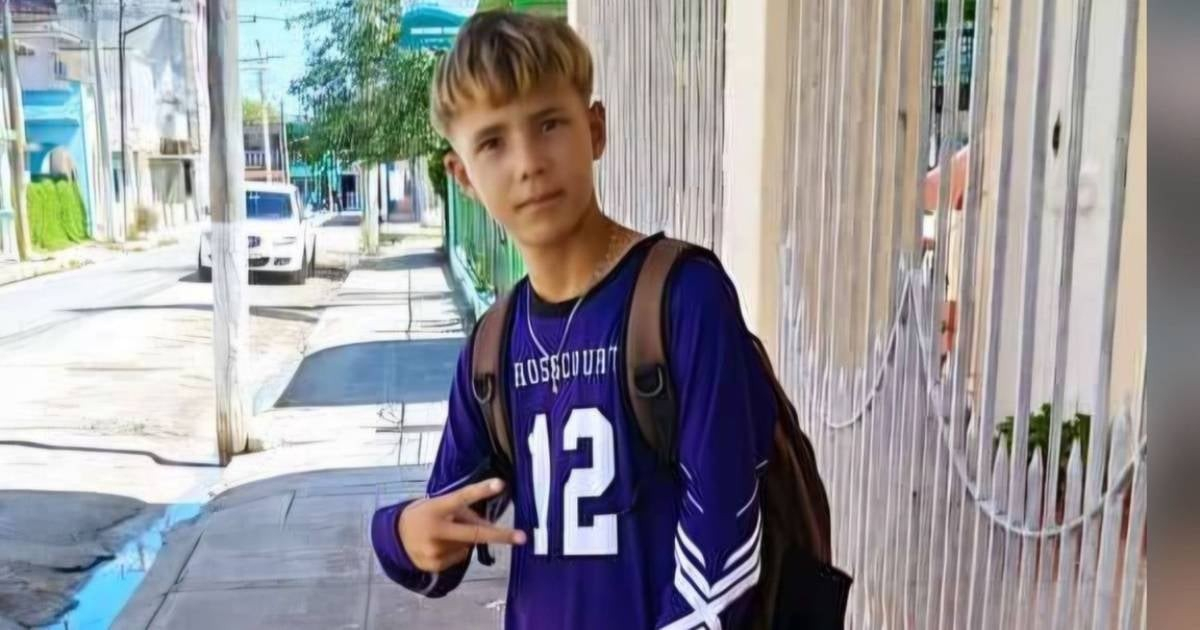
Jonathan David Muir Burgos, the Cuban teenager who spent more than three months incarcerated in an adult prison accused of "sabotage," was released this Wednesday, as confirmed by CubaNet after a phone conversation with the young man himself.
The news brought to a close, at least for now, one of the cases that has caused the most concern among human rights organizations both inside and outside of Cuba.
During the call, a journalist from the independent media asked if he was speaking with the child's father. "No, I'm Jonathan Muir," the teenager replied. When asked again about his release, he answered briefly: "Yes, already, already."
Soon after, family and friends began to spread the news on social media. "Jonathan is home now!" one of them wrote in a post that was quickly shared by Cuban activists and opponents.
Jonathan was detained on March 16, 2026, when he was 16 years old, along with his father, the evangelical pastor Elier Muir Ávila. Both attended a police summons in Morón, Ciego de Ávila, just three days after the protests of March 13, triggered by the prolonged blackouts and food shortages affecting the population.
Although the father was released that same day, the teenager remained in custody. On April 2, the Municipal Prosecutor's Office of Morón ordered his provisional imprisonment on the charge of “sabotage,” a crime that can be punished with sentences ranging from seven to 15 years of imprisonment, as noted by Amnesty International.
Despite being a minor, Jonathan was confined in Canaleta prison, a maximum-security facility for adults located in Ciego de Ávila. He remained there for months and celebrated his 17th birthday on May 28, having not yet been judged.
His incarceration raised increasing concern due to his health condition. The young man suffers from chronic dyshidrosis, recurrent skin infections, and gastrointestinal disorders. Additionally, he was scheduled to begin immune therapy on March 18, just two days after his arrest, something that never materialized.
The family repeatedly reported the conditions of confinement, including inadequate nutrition, lack of regular access to drinking water, and evident physical decline. During a visit on May 12, his relatives claimed to have found him crying, weakened and with a noticeable weight loss.
Amid the complaints, state-run media attempted to discredit concerns about his situation. The platform Razones de Cuba published a photograph of the teenager playing a piano inside the prison, accompanied by the message: "The piano does not lie. The photo is there. The inmates are there. And Jonathan... there he is, safe and sound, with his little hands on the keys."
However, his father stated that the image was taken without consent and reported that the authorities promised to allow a family visit in exchange for the young man agreeing to play the instrument.
The case quickly transcended Cuban borders. On April 24, the Inter-American Commission on Human Rights (CIDH) granted precautionary measures in favor of Jonathan, considering that his rights to life, personal integrity, and health were at risk of "irreparable harm." According to the CIDH, the Cuban state did not respond to the request for information sent by the agency on April 9.
International pressure intensified on May 19, when Amnesty International declared him a prisoner of conscience and demanded his immediate release.
"We ask the authorities to immediately release Jonathan Muir Burgos and, until his release, to protect him from the violence and mistreatment he may face while being held with adults," the organization demanded.
A month later, on June 17, the U.S. State Department also formally demanded his immediate release as three months of imprisonment had passed.
As of the close of this information, the legal terms of the release had not been disclosed, nor was it known if the criminal case for "sabotage" remains open, leaving the young man's legal situation still uncertain.
Filed under: