
Related videos:
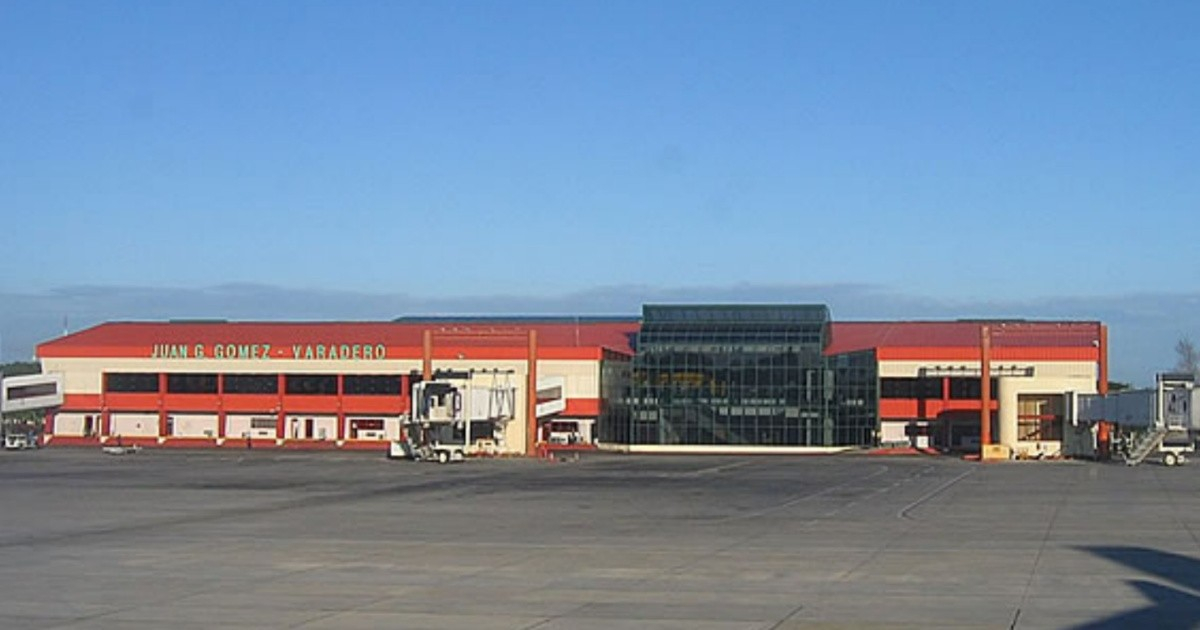
The Juan Gualberto Gómez Ferrer International Airport in Varadero launched a public tender to lease its fuel storage tanks last Tuesday, a measure that reflects the severity of the energy crisis paralyzing Cuban aviation.
The announcement, issued by the Base Business Unit (UEB) Varadero Airport —part of the Cuban Company of Airports and Airport Services S.A. (ECASA)—, offers four tanks: two with a capacity of 50 cubic meters and two with a capacity of 35 cubic meters, with a total area of 215.80 square meters.
The monthly fee set amounts to 264,139.20 Cuban pesos, calculated at a rate of 1,224 CUP per square meter, according to the bidding document signed by Yenma Boffill Navarro, head of the Commercial Department of the UEB.
Interested parties have until July 10 to submit their sealed offers to the Commercial Department, located at Carretera Mártires de Barbados Km. 5.6, Finca Cabarroca, Carbonera, Matanzas. The proposal opening is scheduled for July 14 at 9:30 AM, in the presence of the public notary Lic. Yaneisy Ruiz Morales.
One clause in the document is particularly noteworthy: the landlord cannot terminate the contract by claiming they need the property for themselves, "unless otherwise agreed, as it is subject to the resumption of airport operations." This wording implicitly confirms that the airport is operating very limitedly or is essentially stalled.
The winning tenant will not be able to assign or sublease the space, must register their workers with the airport authorities, and will have 30 days from the invoice date to pay the monthly fee.
The bidding comes at the worst time for Cuban aviation in decades. Since February 10, 2026, the nine international airports in Cuba have been without Jet A-1 fuel, a situation that led to the cancellation of more than 1,700 flights during the peak season and the suspension of operations for at least 11 airlines, including Air Canada, Iberia, and Turkish Airlines.
The impact on tourism has been devastating: Cuba recorded 112,000 fewer visitors in the early months of 2026 compared to the previous year, and in June only American Airlines operates direct flights to Varadero, running four days a week from Miami.
The crisis worsened following Executive Order 14380, signed by Donald Trump on January 29, 2026, which imposes secondary sanctions on third countries that sell fuel to Cuba. Expert Jorge Piñón from the University of Texas warned in June 2026 that Cuba's strategic reserves have nearly been depleted.
By ceding control of critical airport infrastructure in exchange for revenue in Cuban pesos, the regime is betting on private or mixed actors to reactivate the supply of aviation fuel through channels that the State can no longer guarantee on its own.
Filed under: