
Related videos:
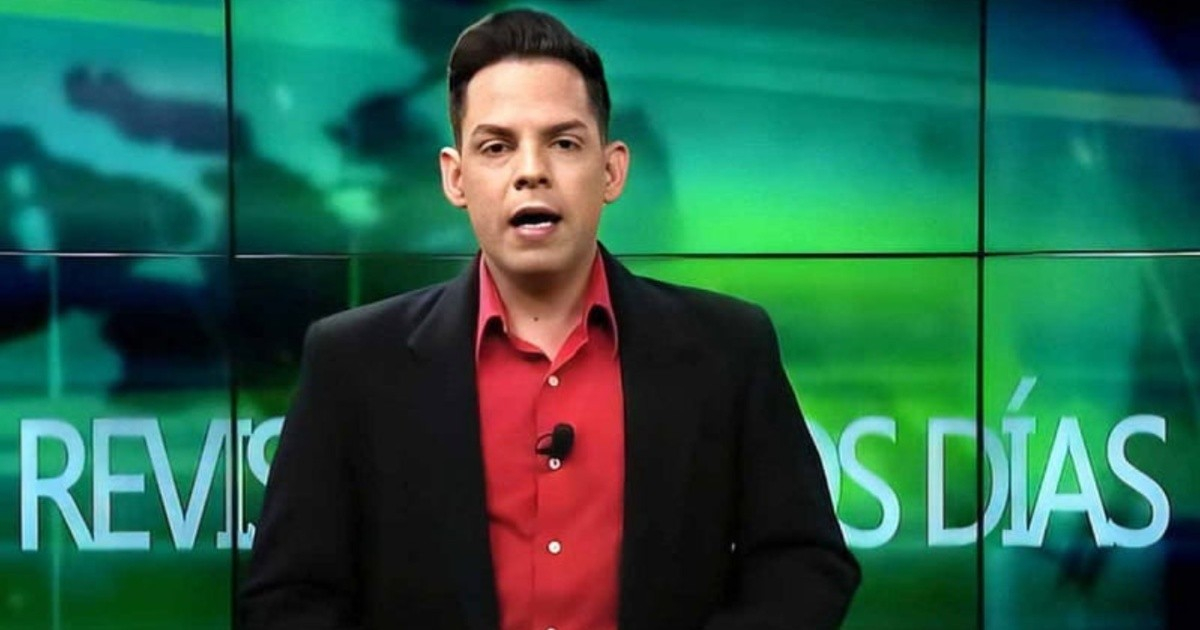
The journalist from Cuban Television Lázaro Manuel Alonso published a call this Saturday on his public Facebook profile to impose sanctions against officials who, from their positions of local power, are obstructing the implementation of the economic reform package approved by the National Assembly on June 19.
Alonso shared and recommended an article from the Girón Newspaper of Matanzas titled "A Bridge Over the Troubled River," which documents the open resistance of provincial and municipal leaders against the 176 economic and social measures approved in an extraordinary session, considered the greatest attempt at structural reform since the Special Period of the 1990s.
"The twisted criteria that could undermine the recently approved measures. Those who, from a local exercise of power, aim to sabotage their implementation should also be sanctioned. Hence, constant scrutiny of how it is done, including from popular oversight, is essential to prevent this from happening," wrote Alonso.
The text from the Periódico Girón, written by journalist Humberto Fuentes Rodríguez, describes an atmosphere of institutional distrust during the work meetings in Matanzas, where several officials perceive the advancement of the private sector as a direct threat to the state sector.
According to the report from the official Matanzas media, phrases such as "the mipymes are getting ahead of us, and that cannot happen" or "we need to get our act together before the private sector overtakes us" are prevalent in those meetings. These expressions, according to Fuentes Rodríguez, reveal a mindset rooted in distrust and a "zero-sum paradigm."
The article also points out that non-state economic actors —micro, small, and medium-sized enterprises, cooperatives, and local development projects— are systematically absent from the provincial economic decision-making spaces, which prevents their proposals from being heard.
"It is impossible not to feel a knot in the stomach when the words of the National Assembly clash with the distorted echo that bounces back in Matanzas during our municipal and provincial meetings," wrote Fuentes Rodríguez.
The package of 176 measures approved on June 19 includes, among other points, the authorization of private banking for the first time since 1959, the removal of the 100-worker limit for small and medium-sized enterprises (mipymes), the establishment of private currency exchange houses, the transformation of state-owned enterprises into joint-stock companies, and the gradual elimination of the ration book, which has been in effect since 1962.
Alonso's call is striking given his profile: he is one of the most active communicators in smear campaigns against activists and independent journalists, and in 2021, he received the Juan Gualberto Gómez National Journalism Award following his attacks on the song "Patria y Vida."
Her stance this Saturday reflects the internal tensions of the Cuban system itself regarding the reforms, in a context where the official government rarely publicly acknowledges internal resistance to its policies.
The article from Periódico Girón concludes with a call for the voices of the private sector to be "binding, not decorative" in decision-making spaces, and warns: "The time for trenches is over; either we build bridges, or we will drown in the same turbulent river."
Filed under: