
Related videos:
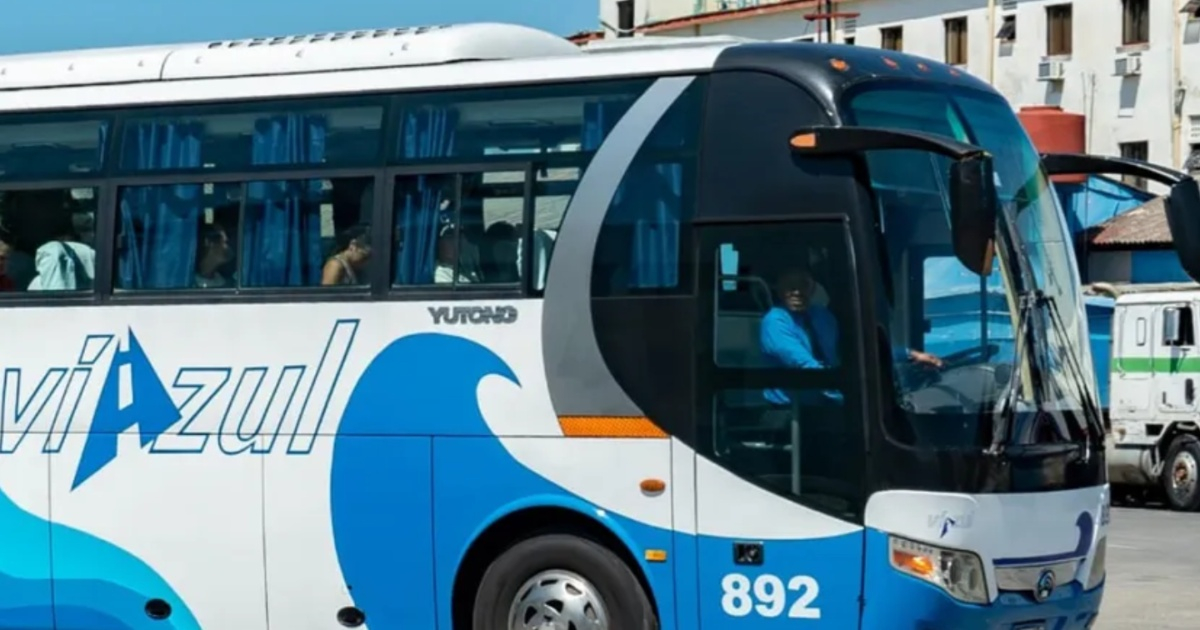
A Cuban resident in Mexico was stranded at the bus terminal in Cienfuegos on Thursday, June 26, after Viazul canceled the service for which she had purchased a ticket 15 days in advance, according to a public complaint shared on Facebook by her daughter.
The ticket, purchased 15 days in advance for a price of 27 euros, covered the route from Cienfuegos to José Martí Airport in Havana.
The passenger needed to arrive on time to catch her flight back to Mexico that same day. When they arrived at the scheduled time, the family discovered on-site that the bus simply would not leave, without anyone having informed them.
The terminal officials then told them to return at 8:00 PM because "a government representative would come to personally review the cases that Viazul left stranded."
According to the complainant, this explanation was false and concealed an illegal charging scheme: in order to board the bus at 11:50 PM heading to Havana, the employees demanded 10,000 Cuban pesos per passenger.
"It was not only a lie; it was also a business we did not want to participate in," the daughter wrote in her post.
The family refused to pay. Minutes after the bus departed, they saw the vehicle pick up more than four people at a nearby corner, outside the terminal, who already had their seats secured.
"Upon leaving, the bus picked up more than four people in front of us who were already waiting at the corner with their seats secured, while my mom, who only came to visit her family, was left with the luggage in her hands and all her hopes on the floor," she recounted.
The official identified as the head of the institution, rather than offering solutions, resorted to intimidation: according to the complainant, "he said that he is the Party and the government, using his limited authority to intimidate us."
Despite everything, the woman managed to reach José Martí airport and did not miss her flight, although the report does not elaborate on how she accomplished this.
The complaint resonated among those who read it. Several users confirmed that the scheme is not unique to Cienfuegos. "This extortion mechanism is established in all the terminals and you have to put what is owed to the bosses in the drawer of the desk," wrote one of them.
Another noted that in Cienfuegos, "this story dates back much further, to when the buses didn't stop for fuel, but they still sold tickets to those who paid the most." A third person was more direct: "This abusive and unethical behavior is not an isolated case; it's the normal treatment we receive, and we've even become accustomed to it."
Numerous commentators suggested filing the complaint with the Minister of Transport, Eduardo Rodríguez Dávila, whom they described as accessible and responsive to citizen complaints. The official had just concluded a work visit to Cienfuegos and Villa Clara only four days before the incident.
The situation arises at a time of severe crisis in interprovincial transportation in Cuba, worsened by the shortage of fuel.
Since June 18, Ómnibus Nacionales has reduced its departures to only three times a week per route, although Viazul — which charges in euros and primarily serves tourists and Cubans with access to foreign currency — has remained operational according to the Ministry of Transportation. The company's prices increased starting June 1, 2026.
Corruption at interprovincial transport terminals, with documented illegal charges in provinces such as Sancti Spíritus, remains a widespread practice that authorities have not managed to eliminate. "Our country has become a mafia where values and humanity have been exchanged solely for money," summarized the whistleblower in their post.
Filed under: