
Related videos:
Residents of Villa Clara who need to travel to other provinces by bus or national train must request prior authorization starting June 18, according to Juan Carlos Ferriol, a representative of the Ministry of Transport in the province, during an appearance on the state broadcaster CMHW.
The measure comes amid a severe fuel crisis affecting the country, which has led to a drastic reduction in interprovincial transportation services.
According to official information, a provincial commission based at the Santa Clara Interprovincial Bus Terminal will be responsible for evaluating applications and determining who will be able to access the limited available seats. The group, made up of representatives from the provincial government, will assist the public from Monday to Thursday between 8:00 AM and noon.
Ferriol explained that the procedure will be similar to that used during the COVID-19 pandemic and specified that requests must be submitted one week in advance so the commission can establish priorities for capacity allocation.
Among the cases that will be prioritized are individuals who need to travel due to the death of a close family member, travelers with scheduled international flights or appointments at embassies and consulates, inmates with authorized passes or who are completing their sentences, patients discharged from medical care, citizens who need to return to their province of residence, and exceptional situations related to the Isle of Youth.
Residents outside of Santa Clara must manage their applications through the municipal Transport delegations. Decisions will be announced every Friday through lists published at the bus terminal, the train station, and the digital platforms of the Ministry of Transport.
The commission will start providing phone information from this Wednesday, June 10, through the number 42292114.
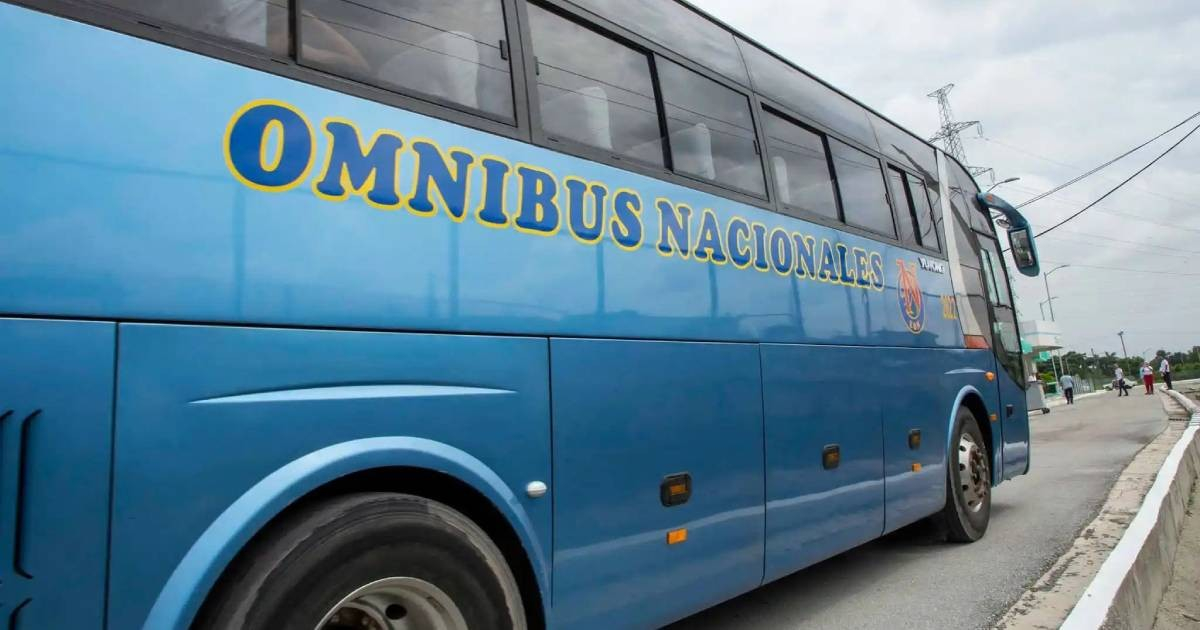
The new regulations coincide with an unprecedented reduction in interprovincial connections. Starting June 18, the Yutong buses from Ómnibus Nacionales will operate only three times a week between Santa Clara and Havana: on Tuesdays, Thursdays, and Saturdays at 1:00 AM, with a return trip from the capital at 9:30 AM. Meanwhile, the trains covering the route from west to east will run only once every 16 days.
The situation in Villa Clara reflects a crisis that extends across the entire country. In December 2025, only 219 of the 558 existing interprovincial buses were still in operation. Months later, provinces like Camagüey and Ciego de Ávila reported a drastic reduction in their services due to a lack of fuel.
Although authorities attribute the new regulation to the current fuel crisis, experts and users have been denouncing the gradual deterioration of the Cuban transportation system for years. The reduction of routes, the lack of spare parts, the aging of the fleet, and maintenance issues have led to a sustained decline in services long before the current energy shortage.
Official figures reflect this trend. In 2024, Ómnibus Nacionales closed the year operating just 36% of the trips it conducted in 2019, a contraction that highlights the accumulated deterioration of the sector. The fuel crisis recorded in 2026 only exacerbated a situation that has limited the mobility of millions of Cubans for years.
The announcement generated a wave of reactions on social media. Numerous users questioned why citizens must undergo an authorization process to move within the country, while others expressed concern about the transparency in the allocation of the limited available tickets.
"Before long, you'll have to ask for permission to go to the bathroom," commented an internet user. Another user expressed her doubts about the priority system: "The priorities will be the same as everywhere else, the law of the strongest (MONEY)."
The requirement for authorizations to access the limited available trips is one of the most visible effects of a crisis that did not begin this year. For many Cubans, the difficulties in traveling between provinces are part of a daily reality marked by reduced routes, long waiting lists, and insufficient means of transportation—issues that have worsened with the current fuel shortage.
Filed under: