
Related videos:
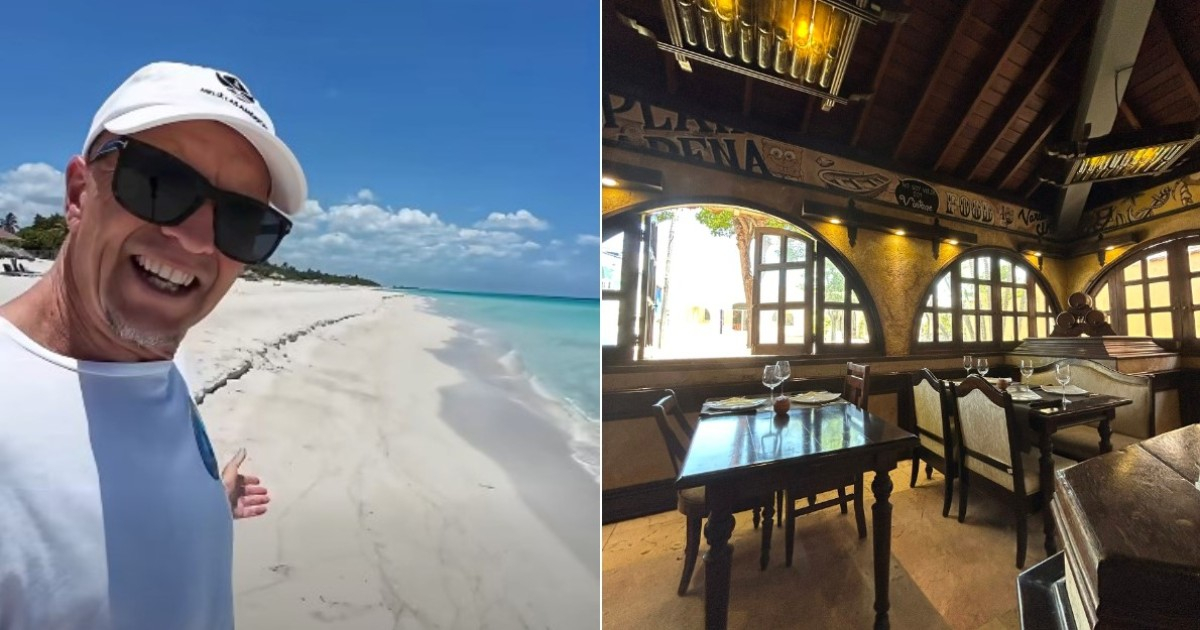
A travel content creator named Mike Fisher, from Canada, shares images of deserted beaches, tropical fruit buffets, and mojitos from Varadero that have garnered hundreds of views on social media.
What your videos portray as an accessible paradise is, for the majority of Cubans, a reality as distant as it is unattainable.
In a post last week, Fisher enthusiastically described a full lunch with mojito at the Dos Mares hotel, for which he paid 3,100 Cuban pesos: "7.75 Canadian dollars for this! Simple life in Varadero. The lunch was amazing," he remarked, impressed.
What the tourist celebrates as a bargain is almost equivalent to the entire monthly minimum wage of a Cuban, set at 3,210 pesos in 2026.
The contrast is striking. The official average salary in Cuba is around 7,074 pesos per month—less than 13 dollars at the unofficial exchange rate—but this amount is not even enough to cover 7% of a basic basket estimated at 96,060 pesos per month, not including electricity, water, or transportation.
Fisher himself, without intending to, also documents the other side of that paradise. In another post, he described the buffet at the Starfish Cuatro Palmas resort with fewer than 50 guests and a reduced variety of food compared to three weeks earlier.
"The streets of Varadero are completely empty of tourists. This low season will not be good for workers and locals. It’s very quiet here... It's sad to see it," he lamented.
What Fisher calls sadness is, for thousands of Cubans who depend on the sector, an economic catastrophe.
In 2026, the national hotel occupancy rate does not exceed 21.5%, and between January and April of this year, Cuba received 55.8% fewer international tourists compared to the same period in 2025.
While Fisher photographs jars of fresh juices and cooks in uniform, 89% of Cubans live in extreme poverty, according to the Eighth Study on Social Rights in Cuba published in September 2025. Seven out of ten Cubans have stopped having breakfast, lunch, or dinner due to lack of money or shortages, and one in four goes to bed without having dinner.
The major Canadian airlines - the largest source market for tourists to the Island - have suspended operations: Sunwing until October, Air Transat from June to October, and Air Canada until November.
The regime responded with a strategy of "touristic compaction," closing hotels with low occupancy to concentrate the few remaining guests, which left thousands of workers in the sector unemployed.
The "paradise" that Fisher showcases in his videos does exist, but it is built on a reality that most Cubans can only see from the outside: four years of free fall in hotel occupancy and a humanitarian crisis that a tourist's camera frame cannot capture.
Filed under: