
Related videos:
Spanish hotel chains present in Cuba have immobilized between 80 and 100 million euros in the island's banking system that they cannot repatriate and have already been written off in the balance sheets of their parent companies, according to an analysis published this Tuesday in El Economista authored by an expert who was directly involved in the origins of the Spanish-Cuban tourism collaboration.
The figure represents the outstanding balance of an accumulated investment of 465 million euros made by Spanish companies in Cuba over three decades, primarily concentrated in the hotel sector. The direct investment from hotel corporations amounted to around 160 million euros, one third of the total.
The collaboration model began on May 10, 1990, with the inauguration of the Sol Palmeras hotel in Varadero, the first result of the agreement between the Cuban government and the Sol chain —later Meliá— founded by Gabriel Escarrer.
The scheme was structured through joint ventures in which the Spanish side typically held 49%, with contracts lasting between 25 and 50 years, contributing capital for fixed assets and assuming operational management. The Cuban legal framework excluded foreign access to land ownership from the outset.
During the first two decades, the business proved to be very profitable. "The historical balance of the Cuban experience shows a positive net result for Spanish firms. In fact, the profits from the years of expansion financed part of the internationalization of these brands," the analysis notes.
The turning point came when GAESA, the business conglomerate of the Cuban Ministry of Defense controlled by Raúl Castro and which, according to the text, "operates without public accountability," accumulated enough capital to build its own hotels and exploit them through management contracts with Spanish and Canadian hotel companies via its subsidiary Gaviota.
The activation in 2019 of Title II of the Helms-Burton Act —suspended by previous U.S. administrations— along with the impact of the Covid pandemic, worsened the situation. From that moment on, foreign companies were no longer able to repatriate profits due to the Cuban regime's lack of liquidity in foreign currency.
The final blow was dealt by Executive Order 14404 signed by Donald Trump on May 1, 2026, which imposed secondary sanctions against GAESA and set June 5 as the deadline for foreign companies to sever their ties with that group.
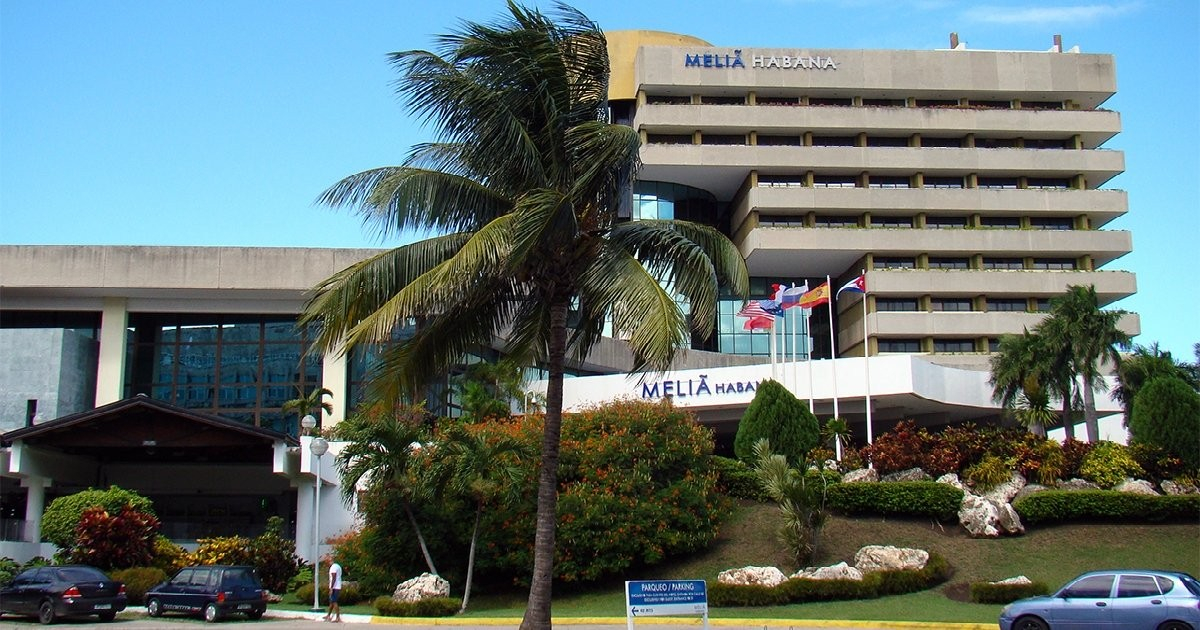
Iberostar left 12 of its 18 hotels linked to Gaviota on June 1, and Meliá announced the cessation of 15 of its 35 hotels on the island. The Canadian company Blue Diamond Resorts exited its 62 establishments on May 31, and Barceló is preparing to leave without renewing contracts in 2027.
However, the chains that have contracts with civil entities like Mintur or Gran Caribe—outside of Washington's sanctions lists—do not entirely leave the island. The analysis suggests that they accumulate operational knowledge and institutional relationships that American corporations will lack when they seek to establish themselves once the system changes.
In parallel, the Cuban regime announced in June a package of 176 economic measures that includes the authorization of private banks and the transformation of state enterprises into commercial companies. However, economist Mauricio de Miranda warned that GAESA is not mentioned in any of these measures, which raises doubts about the real depth of the reforms.
"No authority or investor will overlook the Spanish hotel chains, which are essential for managing the sector's transition," concludes the analysis, comparing their position to that of these companies after the fall of the Soviet bloc in Eastern Europe.
Filed under: