
Related videos:
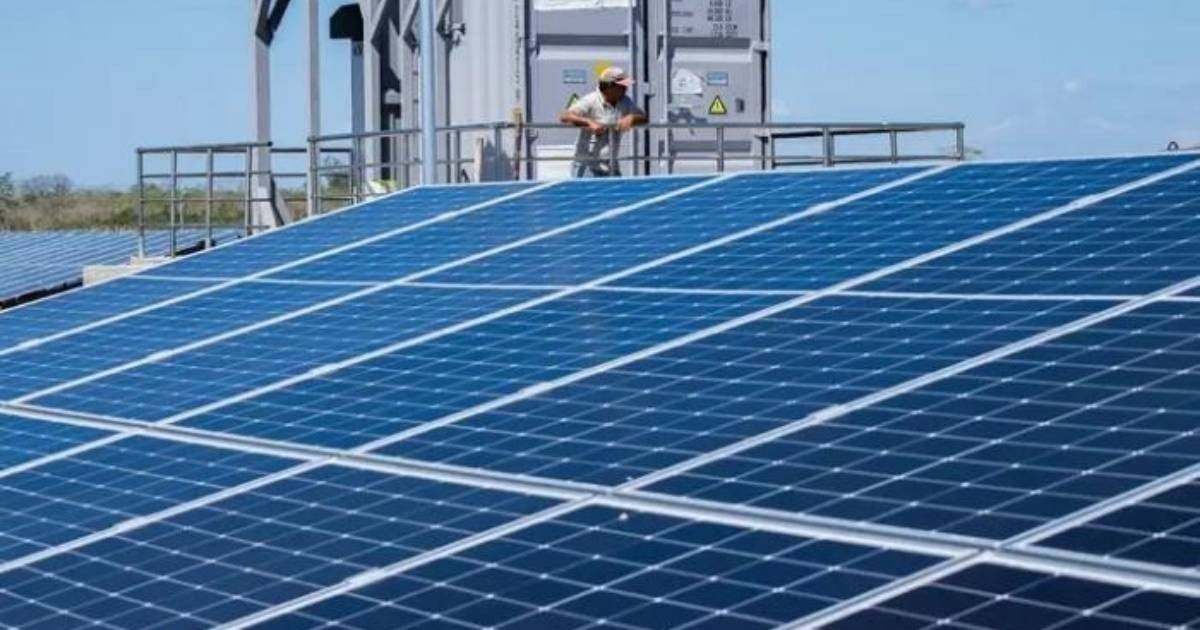
The increasing demand for photovoltaic systems amid the Cuban energy crisis has led to a new type of scam. The Copextel Artemisa branch issued a warning this Wednesday about fraudulent calls and messages where criminals use the company's name to demand advance payments in exchange for supposed solar panels.
According to the entity's explanation on its social media, scammers are reaching out to workers to falsely inform them that their organization has assigned them a photovoltaic system and instruct them to transfer money to personal accounts in order to receive it.
Copextel categorically denied that practice and reminded that it does not directly communicate the allocation of these devices nor does it require advance deposits.
"Copextel Artemisa does not notify individuals who are beneficiaries of photovoltaic systems, nor is any advance payment required," the company warned.
The subsidiary explained that the selection of beneficiaries is the responsibility of the employer organizations or entities, which are tasked with informing their employees when they are selected. Only after that process does authorized personnel from Copextel reach out to clients to coordinate the official procedures.
The company emphasized that no payments should be made to personal accounts or supposed intermediaries, and it reminded that the purchase of equipment can only be managed through its official channels.
The warning comes at a time when thousands of Cubans are seeking alternatives to cope with the prolonged blackouts affecting the country. Photovoltaic systems have become one of the most sought-after goods, both by individuals and workplaces, creating a favorable environment for the proliferation of fraud.
The high price of these devices—over 75,000 Cuban pesos per unit in the official programs—and their limited availability increase the vulnerability of those hoping to be included in the distribution plans.
It is not the first time that state-owned companies have raised alerts about this type of deception. In March, FINCIMEX reported a scam that offered false home fuel sales using its name. In May, Cimex Mariel and CUPET warned about a fraudulent website that pretended to sell liquefied gas, and in June images generated by artificial intelligence began to circulate to convince relatives of Cubans abroad to send money for supposed solar panel installations that never materialized.
Copextel Artemisa urged anyone who receives such calls or messages not to make money transfers, to verify information only through the company's official channels, and to report the incidents to the relevant authorities.
Filed under: