
Related videos:
A new type of fraud that combines artificial intelligence, psychological manipulation, and the desperation of many Cuban families to obtain solar panels or generators is raising alarms on social media.
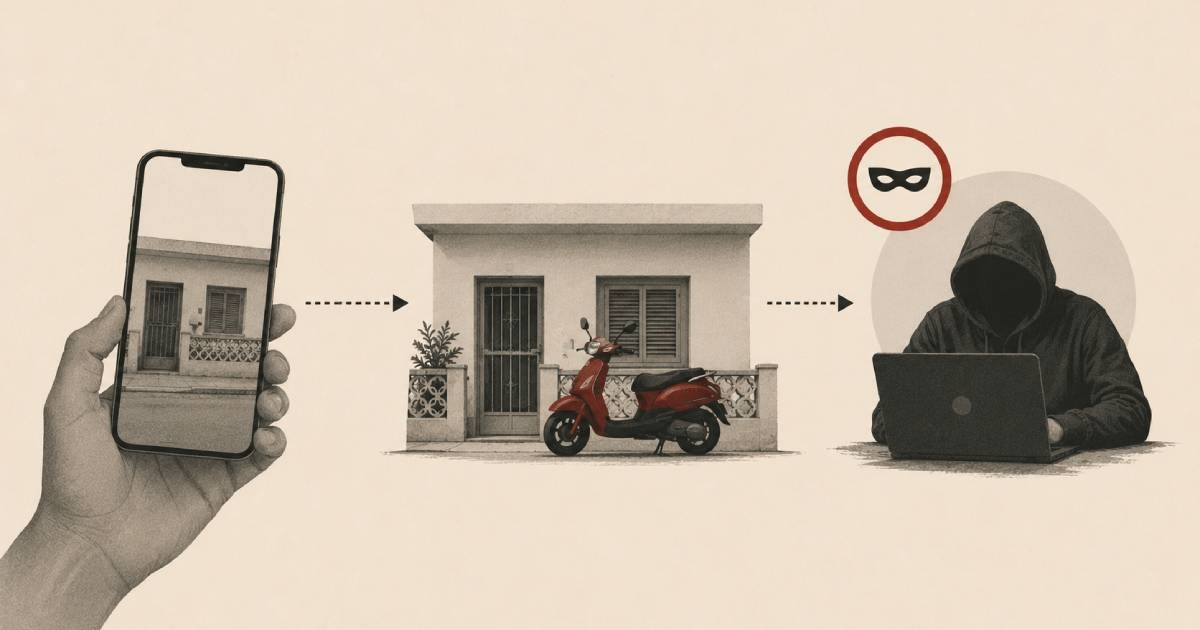
The warning was issued on social media by content creator Luis Manresa, known as "Intermóvil," who reported a scam in which criminals use photographs of the victims' own homes to create fake images that appear completely real.
The scheme begins when a person in Cuba contacts supposed sellers interested in offering solar kits or motorbikes, two of the most sought-after products at the moment due to prolonged blackouts and the fuel crisis.
During the supposed negotiation, the sellers request a photograph of the roof of the house—if it has solar panels—or of the facade of the house in the case of a generator.
That is the first step of the deception.
Using artificial intelligence tools, scammers create manipulated images where the product supposedly appears installed or delivered.
"They place the diesel fuel at your doorstep or install the panels on your roof. And the image looks so real that it’s frightening," explained Manresa.
While preparing the setup, the criminals try to isolate the victim in Cuba. They use various pretexts for this: they ask them to put their phone in airplane mode, disconnect for a few minutes, or even seek to take over their WhatsApp account.
With the victim out of contact, they send the fake image to the family member abroad who is responsible for making the payment.
"Since you are out of communication, the scammer sends your relative the fake photo with the motorcycle at the door or the panels already installed," Manresa recounted.
Unable to verify the information with their relative in Cuba and convinced that the delivery has already taken place, the family member ends up sending the money. The product never arrives.
According to the influencer, the two incidents—one involving solar panels and the other concerning a motorbike—occurred just one day before he published his complaint.
"If someone asks you for a photo of the front of your house or the roof of your house, delete them and block them immediately," he advised.
The testimonies published in the comments of the video suggest that the fraud has already affected several people.
A user reported that they discovered the scam because the image generated by artificial intelligence showed a car with a wheel on a non-existent sidewalk in front of their house. Another user claimed to have lost $1,800. A third person recounted that they were asked to pay $3,500 and were required to install an external application to coordinate the supposed delivery.
Among the comments, another variant known as "bridge scam" also appeared. In this scheme, a fraudulent intermediary connects a real seller with a real buyer without either party knowing about the setup, ultimately keeping the money from the transaction.
The new modality adds to a rising wave of digital crimes in Cuba.
In April, BANDEC warned about the theft of WhatsApp accounts using verification codes. More recently, CUPET reported the existence of fraudulent websites that used its image to sell liquefied gas and solar panels. Cimex also issued similar warnings regarding identity theft attempts.
Specialists in cybersecurity have warned that older adults are often the main victims of these schemes due to their lesser familiarity with digital tools and the dependence that many have on emigrated relatives to make purchases or payments from abroad.
In light of the advancement of these technologies, Manresa issued a straightforward warning to Cubans both on the island and abroad:
"Technology advances, and so do scammers. A warned soldier is not killed. No photos of your home, no airplane mode, nothing."
Filed under: