
Related videos:
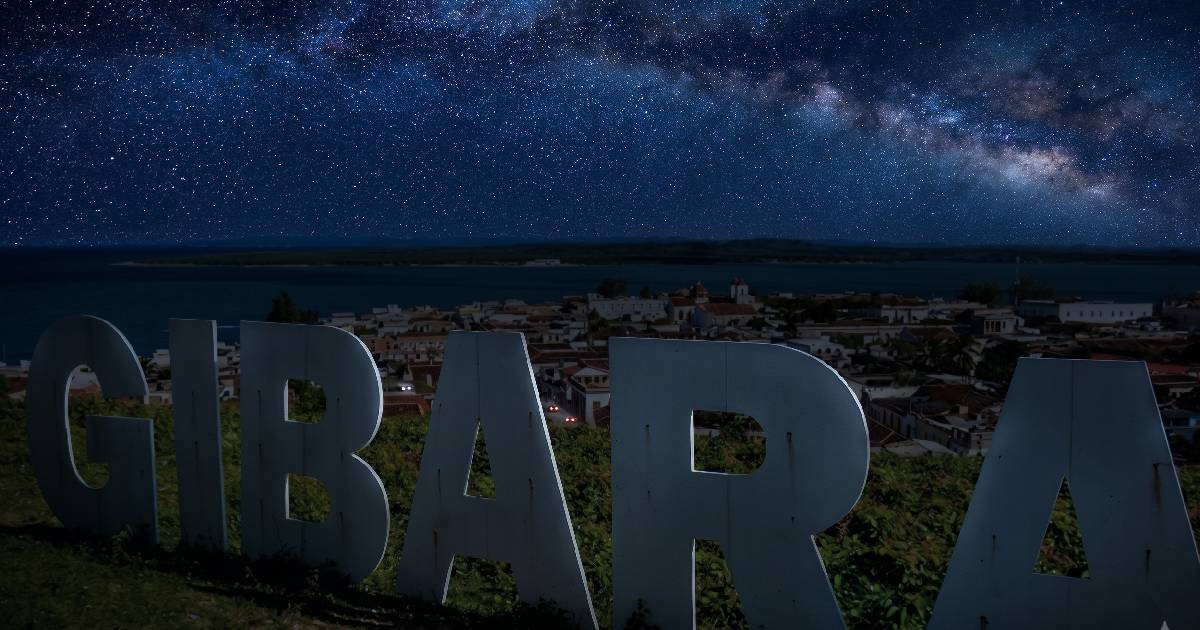
The 20th edition of the International Festival of Poor Cinema of Gibara will take place from July 14 to 18 in the so-called White Villa of the Crabs, featuring outdoor screens and its own generators to overcome the blackouts that keep the province of Holguín shrouded in darkness for over 50 consecutive hours.
According to a report from the Cuban News Agency, the organizing committee explicitly conceived this edition as a "stage of resilience through the seventh art," acknowledging the extreme conditions surrounding the event.
Sergio Benvenuto Solás, president of the Organizing Committee, explained that the competition had been postponed from its original date in April and rescheduled to the summer "with the aim of achieving broad participation from university students and youth."
The backdrop is devastating: Holguín has only 70 MW available for a maximum demand of 240 MW, less than 30% of the required capacity, forcing residential circuits to receive approximately three hours of electricity for every 39 or 40 hours of blackout, and at times even longer.
Gibara, the host of the festival, is not unaware of that reality. In September 2025, the city witnessed street protests after more than 24 hours without electricity, with at least seven people detained and police repression documented in citizen videos.
To address the crisis, the festival will enhance outdoor screenings through three screens located at different points in the city, supported by a battery system for times when electricity is unavailable.
Benvenuto acknowledged that "attendance will decrease and foreign participation will be lower," but he assured that the event will maintain its usual standards in film programming.
There won't be large concerts, but there will be theater, music, dance, and exchange forums, adapted to the current conditions of the country, he/she indicated.
The competitive categories include feature films and short fiction films, documentaries, animation, and experimental cinema, with the Lucía Awards as the main prizes. In the animation section, 14 works from eight countries are competing: Mexico, Cuba, Brazil, Spain, Chile, Argentina, Colombia, and Peru.
The festival was founded in April 2003 by the Cuban filmmaker Humberto Solás (1941-2008) as a platform to promote creativity and low-budget productions, and since then it has established itself as one of the most valued events of the seventh art in Latin America.
"Gibara will function as a city of lights, three of which will be dedicated to the seventh art, and at night the festival will transform into a space of joy, quality, and light," promised Benvenuto, in a statement that takes on a literal significance in a province where electricity has become a scarce commodity.
Filed under: