
Related videos:
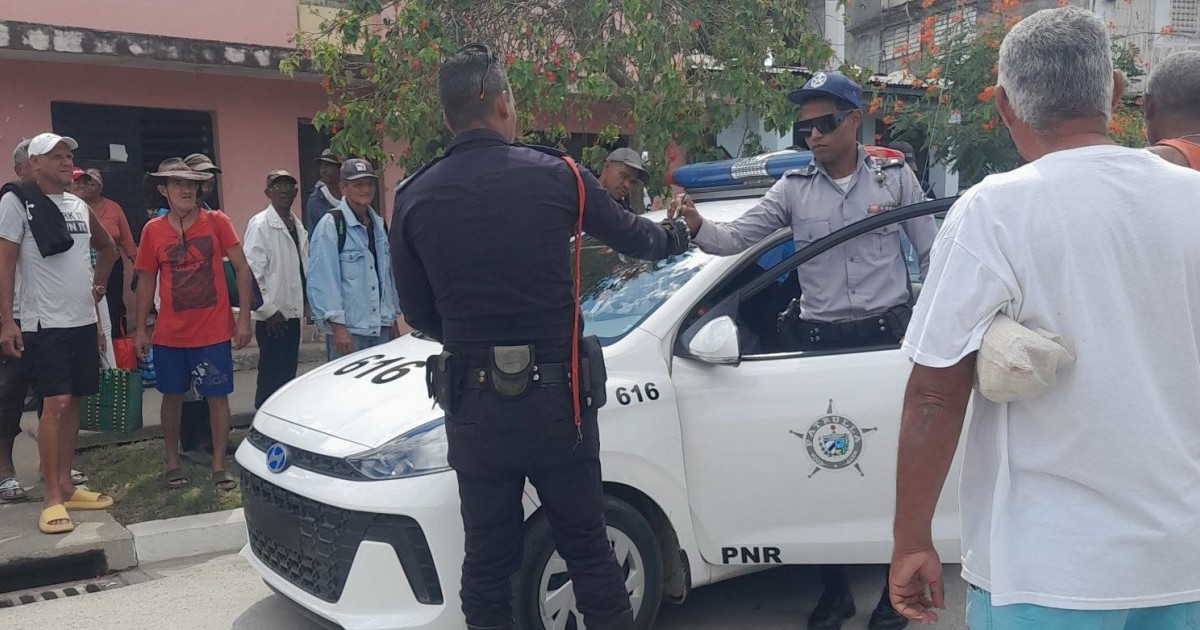
Five individuals are currently detained following the theft of 110 liters of dielectric oil from two of the three transformers at the "La Indiana" Pumping Station in the municipality of El Salvador, Guantánamo. This incident directly impacted water supply to the community, as reported by the official profile of Facebook "Guantánamo y su Verdad".
The police initially arrested three individuals identified as the perpetrators of the theft.
Shortly thereafter, the investigation led to two receivers connected to a private sector truck, to whom the thieves had sold 80 liters of the stolen oil for 120,000 Cuban pesos.
The quick resolution of the case was made possible thanks to the information provided by neighbors and a specialist from the electric company, whose identity was not disclosed.
According to the source, "the information provided by the community was crucial in quickly clarifying the case and identifying the actual perpetrators."
The Director of the Electric Company in Guantánamo, Joaquín Díaz, confirmed that the issues with the pumping system were a direct consequence of the theft, which further aggravated the already critical water situation in the municipality of El Salvador, where more than 15,000 residents lack direct water service due to 15 inoperative pumping stations, and the distribution cycles via tank trucks can extend up to 25 days.
Dielectric oil, essential for the operation and cooling of electrical transformers, has become a coveted commodity in the Cuban black market, where it is resold as a substitute fuel for tractors and agricultural machinery at prices ranging from 600 to over 1,000 pesos per liter.
This dynamic has triggered an epidemic of dielectric oil thefts across the Island during 2025 and 2026, driven by the energy crisis and fuel shortages.
Among the most serious cases recorded this year is the theft at the National Sanctuary of the Virgin of Charity of El Cobre in Santiago de Cuba, which left the temple and its guesthouse without electricity, and the theft of 600 liters in Amancio, Las Tunas, which deprived 40% of that municipality of electricity and affected nearly 5,000 customers.
In the face of the proliferation of these crimes, the Cuban regime has intensified its judicial response.
The Ruling 475/2025 of the People's Supreme Tribunal classifies the theft of dielectric oil as sabotage against the National Electric System, with penalties ranging from seven to 30 years of imprisonment, life imprisonment, or the death penalty in aggravated cases. 100% of those judged for this crime in 2025 and the first quarter of 2026 received sentences exceeding 10 years.
Despite the threats of imprisonment, thefts continue unabated. Cuba is facing an electrical deficit exceeding 2,000 MW, with only 1,015 MW available against a demand of 3,150 MW, according to data from June 27. This structural crisis is driving more people to seek in the black market what the State cannot guarantee.
The First Secretary of the Provincial Committee of the Communist Party in Guantánamo, Yoel Pérez García, warned that "there will be no impunity in Guantánamo" regarding crimes related to the electricity contingency, a statement that contrasts with the reality of a province where more than 180,000 residents are experiencing issues with water pumping and the electrical infrastructure continues to deteriorate.
Filed under: