
Related videos:
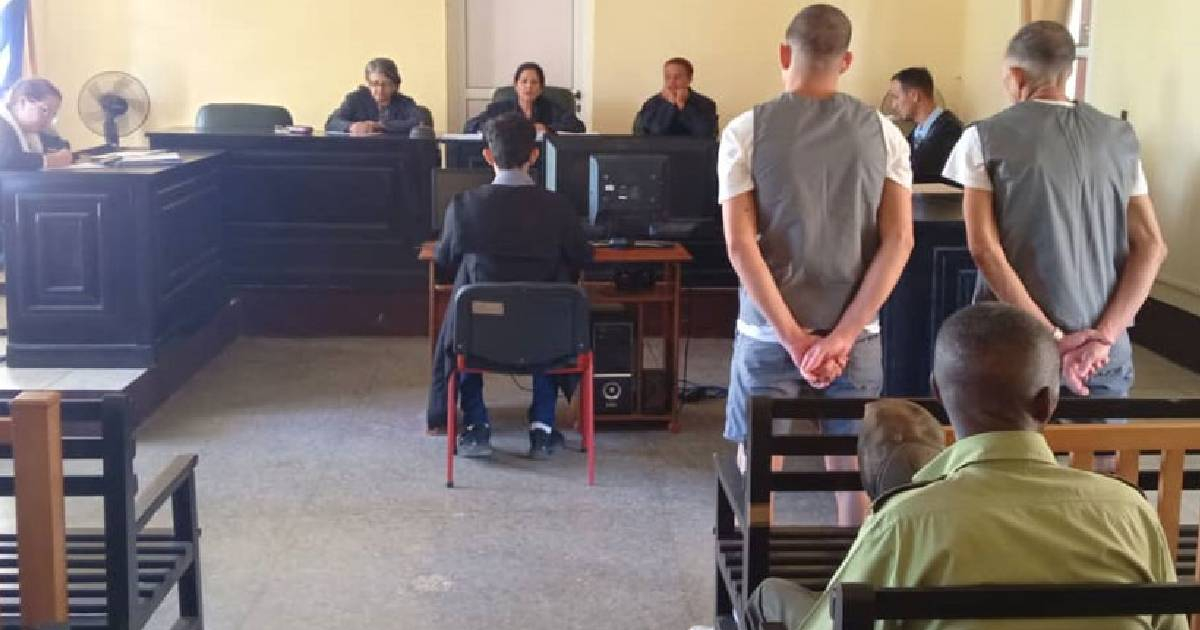
The Cuban regime has intensified its punitive policy against actions that affect the national electrical system, with penalties that can reach up to 30 years in prison, life imprisonment, and even the death penalty, according to a text published in the newspaper Granma by the People's Supreme Tribunal.
The publication emphasizes that the country is facing a complex scenario marked by the "intensification of the illegal economic, financial, and energy blockade imposed by the United States," and asserts that, in this context, the State is making "considerable efforts to ensure electricity generation," a service it describes as "necessary and sensitive" and "key to citizen well-being."
However, the statement itself acknowledges the existence of actions that directly impact the already deteriorated energy infrastructure of the country.
According to the text, “unscrupulous individuals are stealing components, parts, tools, resources, fuels, and dielectric oil” from installations such as photovoltaic parks, solar panels, and generators, which —it states— “affects the National Electric Power System and jeopardizes the progress of the official strategy.”
In light of this scenario, the authorities emphasize that these actions will be prosecuted as acts of sabotage, a concept outlined in Article 125 of the Penal Code in effect since 2022.
This law establishes penalties ranging from seven to fifteen years of imprisonment for those who damage or interfere with infrastructures intended for energy generation and transmission, but the sanctions become significantly harsher in certain cases.
The text warns that if serious consequences occur or dangerous means are used, "the prescribed penalty ranges from ten to thirty years of imprisonment, life imprisonment, or death."
The Supreme People's Tribunal supports this interpretation through ruling 475, from May 2025, which reaffirms that any damage to critical infrastructure —including the electrical system— should be considered sabotage.
According to the document, this offense protects "the normal use or functioning of public assets, the security and stability of the State and its institutions."
Moreover, the Penal Code includes aggravating factors that can influence the severity of sentences, such as acting in a group, using means that pose a common danger, or economic motivation.
It is also established that those sanctioned must serve at least two-thirds of their sentence before being eligible for benefits such as parole.
The official statement emphasizes that the courts have acted "with the rigor and rationality that such behaviors require," and presents the recent outcomes of the judicial processes as evidence.
According to the disclosed figures, "in the period from January to December 2025 and the first quarter of 2026", 100% of individuals tried for crimes against state security related to these events received sentences of more than ten years in prison, along with additional penalties such as asset confiscation and movement restrictions.
This penal tightening occurs amidst a deep energy crisis on the island, characterized by prolonged blackouts, a shortage of fuel, and a power system with frequent structural failures.
Although the government attributes the situation to the U.S. embargo and acts of sabotage, experts and citizens have pointed out internal issues for years, such as the lack of investment, the deterioration of thermal power plants, and inefficiency in the management of the sector.
In this context, the official response emphasizes severe penalties for those who damage infrastructure, at a time when energy shortages continue to impact the daily lives of millions of Cubans.
The regime frames this entire judicial offensive within the context of the electrical crisis facing Cuba, with generation deficits exceeding 2,000 MW on multiple occasions in 2025 and hovering around 1,900 MW in March 2026, attributing part of the problem to theft in energy infrastructure.
However, the structural causes of the crisis —the obsolescence of the thermoelectric plants and the chronic fuel shortages resulting from 67 years of dictatorship— are omitted from the official narrative, which prefers to point to the U.S. embargo and alleged saboteurs as responsible for the energy collapse suffered by the Cuban people.
Filed under: