
Related videos:
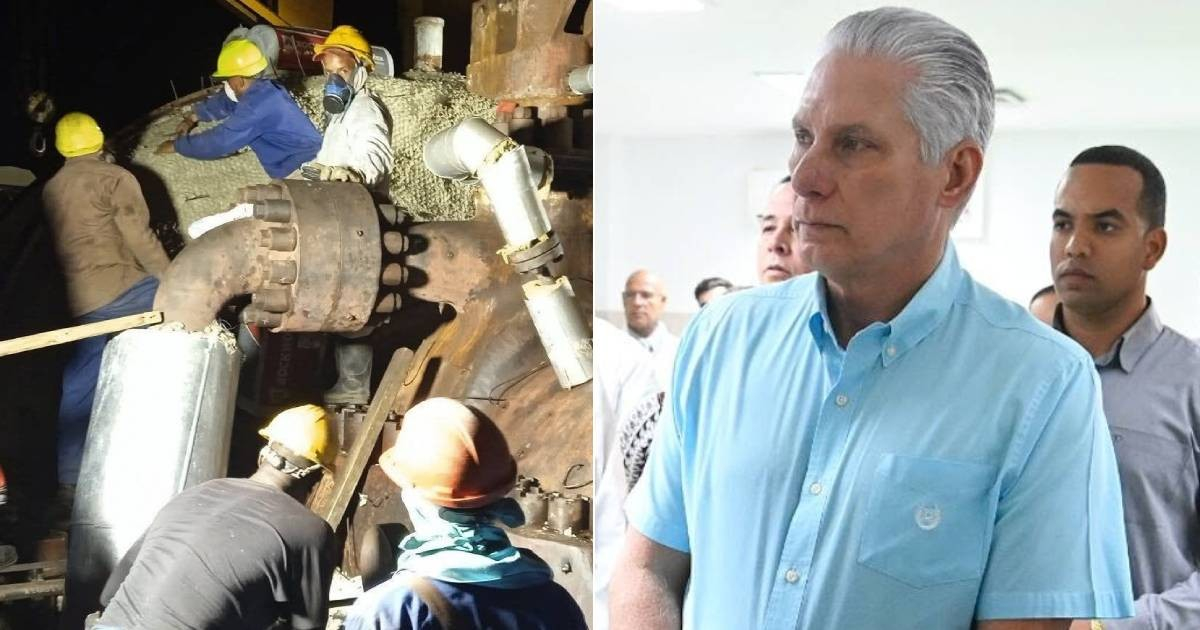
In the midst of the seventh total collapse of the National Electric System (SEN) in the last 18 months, Cuban leader Miguel Díaz-Canel praised the workers of the Electric Union (UNE) on Monday and once again blamed the United States for the energy crisis the country is experiencing.
"It is heroic what electrical workers do amidst a genocidal energy blockade," he wrote on his X account, where he asserted that Washington "is trying to induce a social explosion through suffocation by blocking fuel access to Cuba."
The message accompanied a post from the Minister of Energy and Mines, Vicente de la O Levy, who reported that protocols had been activated to restore the system and that microsystems were already operating in various regions of the country to ensure the functioning of services deemed vital.
The National Electric System collapsed this Monday, after the shutdown of Unit No. 6 at the Nuevitas thermoelectric plant in Camagüey caused a cascading disconnection that left a large part of the country without electricity.
It is about the third nationwide blackout recorded so far in 2026 and the seventh since the end of 2024.
Before the collapse, the Electric Union had forecasted a generation deficit of up to 2,230 megawatts, with an availability of around 1,000 MW against an estimated demand of 3,100 MW. Additionally, 106 distributed generation plants were out of service due to a lack of fuel, and several thermoelectric units remained offline due to faults.
Díaz-Canel's statements generated numerous reactions on social media. Several users questioned his attribution of the crisis solely to U.S. sanctions and reminded others that the electrical system had already experienced multiple failures before Donald Trump's return to the White House.
"Five times the SEN collapsed before Trump took office... you all have ruined the country. Accept your incompetence once and for all," wrote independent journalist and activist Magdiel Jorge Castro in response to the post from the ruler.
Specialists have pointed out for years that the Cuban electrical crisis is the result of a combination of factors, including the aging of the thermal power plants, decades of insufficient maintenance, a lack of investments, and difficulties in ensuring fuel supply.
These limitations are compounded by restrictions on importing oil. Cuba needs several shipments each month to sustain electricity generation, but the sanctions imposed by the Trump administration on companies and countries supplying fuel to the island have further complicated that supply.
It's not the first time that Díaz-Canel has defended workers in the electrical sector during an energy crisis. In January of this year, on the occasion of Electrician's Day, he referred to them as "titans", a message that also sparked numerous criticisms on social media from citizens affected by prolonged blackouts.
While the government insisted on the recovery efforts for the system this Monday and circulated hashtags like #CubaNoSeRinde, millions of Cubans remained without electricity, in a day that once again highlighted the severity of the energy crisis facing the island.
Filed under: