
Related videos:
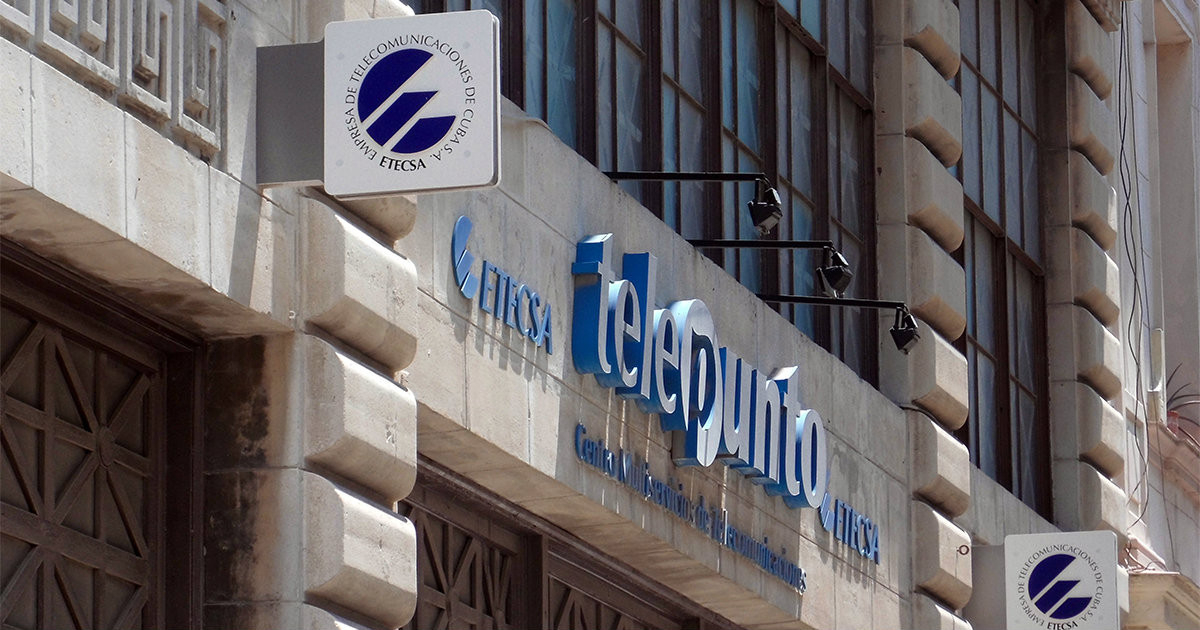
The state-owned company ETECSA acknowledged this Tuesday that the electrical collapse on Monday left thousands of Cubans across the country without mobile service, triggering a wave of outrage on social media against the telecommunications company.
In an informative note published on their Facebook profile, the company acknowledged that "due to electrical failures and difficulties with the backup generators that support the network, an increase in mobile service disruptions has been reported," and assured that their specialists "are working continuously to ensure its availability."
The statement arrived a day after Cuba experienced its seventh complete blackout in 18 months, the third one in 2026, leaving approximately 9.6 million people without electricity. The collapse of the National Electric System (SEN) was triggered by the unexpected shutdown of Unit No. 6 of the Nuevitas thermoelectric plant in Camagüey at 12:17 PM on Monday.
Without electricity, the ETECSA radio bases began to shut down in a chain reaction. According to data published by the company itself, nearly 47.5% of the mobile radio bases ceased operations, and 56.5% of the telecommunications cabinets became inoperative. Approximately 450 radio bases suffered mechanical failures or ran out of fuel in their backup generators.
The root of the problem is structural: only half of the approximately 2,520 radio bases in the country have any type of energy backup. In provinces like Sancti Spíritus, barely 21 of the 70 telephone exchanges are equipped with generators, leaving over 288,000 mobile lines vulnerable to any outages.
An ETECSA official admitted in June 2026 that the telecommunications infrastructure cannot remain operational for more than 24 hours without electricity from the power grid. The most recent event confirmed this: in March 2026, a massive blackout caused a 65% drop in national internet traffic, with restoration taking 29 hours.
The citizens' reaction was one of explosive indignation. Cubans flooded social media with criticisms that pointed directly to the contradiction of paying high fees — following the controversial rate increase implemented by ETECSA in 2026 — for a service that collapses with every blackout. "When the power goes out, there's no internet for anyone, ETECSA, what are you selling for?" summarized the sentiment of many on Facebook.
The U.S. Embassy in Havana issued a security alert reporting disruptions in mobile phone service and internet in Centro Habana, Regla, and other locations.
The electrical restoration progressed slowly and unevenly. The Electric Company of Havana reported this Tuesday that only 46% of the capital had restored power, while areas like Guanabo went without electricity for 41 consecutive hours and an entire week without water. The complete recovery of the system could take several more days, according to the Electric Union.
Filed under: