
Related videos:
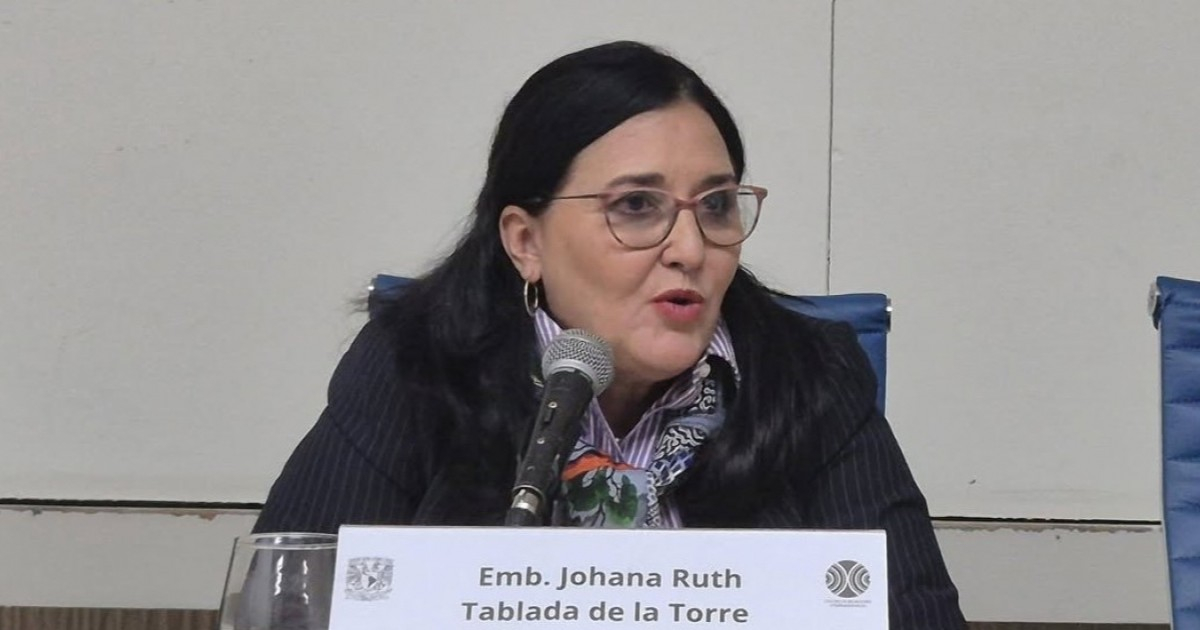
Johana Tablada de la Torre, the second-in-command of the Cuban embassy in Mexico and one of the regime's most vocal advocates on social media, described the remarks of the U.S. delegate to the UN General Assembly as "repugnant" and filled with "outrageous lies" on Facebook following the Tuesday session in which the body approved the opening of an urgent debate on the U.S. embargo against Cuba.
The vote resulted in 136 votes in favor of holding the debate, nine against, and 30 abstentions. However, Tablada presented the result on his social media simply as "CUBA 136 / USA 9," completely omitting the abstentions, which is the worst statistic for the regime in over three decades.
In her post, the diplomat stated that the Washington delegate "displayed tactics of misinformation and intimidation" and even shamelessly declared, "I don't understand what we are doing here."
The official presented the result as a crushing defeat for the U.S. "maneuver" to prevent the debate.
What Tablada did not mention is that the 30 abstentions double the 12 recorded in the annual vote of October 2025, and that the support from 136 countries is significantly lower than the 165 in that vote and the 187 that Cuba received in 2024, reflecting a historic decline in international support for the regime.
Díaz-Canel and Chancellor Bruno Rodríguez Parrilla also celebrated the result on social media, highlighting only the votes in favor, following the same line of selective propaganda that characterizes the nomenclature.
The session, convened at the request of the Cuban regime—the first time Havana has resorted to this extraordinary mechanism outside the annual October cycle—was marked by a tense confrontation between Rodríguez and the U.S. ambassador to the UN, Mike Waltz.
Waltz showed photos of more than 800 Cuban political prisoners at the Assembly and declared: "This is not Havana. This is the United States of America. This is the UN. And we will speak. We will be heard, and we will not be silenced like your own people."
Rodríguez interrupted him with a reply that referenced the 2025 scandal in which Waltz accidentally leaked bombing plans for Yemen in a messaging chat: "This is the UN General Assembly, not a Signal chat."
The U.S. also pointed out that the cost of the session -84,000 dollars- could have fed 3,500 people, highlighting the regime's priorities while Cuba is experiencing its third complete collapse of the National Electric System this year, with power outages exceeding 24 hours daily in large areas of the country.
The pattern of Tablada is consistent: in April, during an interview with NPR, she blamed the U.S. for Cuba's structural crisis and warned that the Island is "ready" for a military confrontation. In February, she compared Cuba to a "house" threatened by "bullies" cutting off basic services, while ignoring that the regime's leaders live in the privilege they deny to the people.
The diplomatic context of the session also included a leaked cable signed by Secretary of State Marco Rubio, published on July 2 by The Nation, in which U.S. embassies around the world were instructed to pressure governments and hinder the opening of the debate, categorizing countries into three groups with differentiated guidelines.
The drop from 187 votes in 2024 to 136 on Tuesday, with 30 countries preferring to abstain rather than support the regime, is the data that Tablada, Díaz-Canel, and Rodríguez chose to hide in their narrative of "overwhelming victory."
Filed under: