
Related videos:
The National Electroenergetic System (SEN) of Cuba completely collapsed this Friday at 4:30 PM, abruptly interrupting the synchronization process of the Antonio Guiteras Thermoelectric Power Plant in Matanzas, which was underway at that exact moment, according to report by journalist José Miguel Solís from the province.
This is the fourth total blackout of the year and it left nearly 10 million people without electricity across the island. The outage initially occurred in the western part of the country before spreading to the rest of the territory.
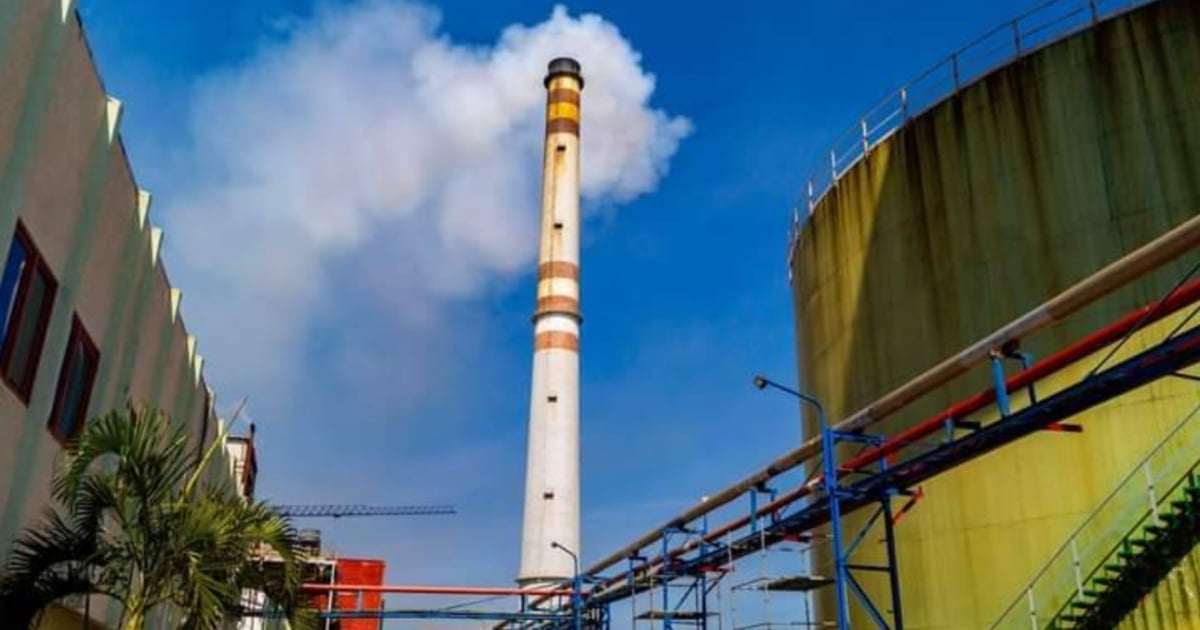
La Guiteras, the largest thermoelectric plant in Cuba with an installed capacity of 630 MW, has been out of service since July 3 —its 17th outage so far in 2026— due to a leak detected in the economizer of its boiler.
This Friday, their entry during peak hours had been promised, but the collapse of the SEN thwarted that attempt.
"With the collapse of the national electric power system in the western part of the country and then completely at four thirty this afternoon, the synchronization process of the Antonio Guiteras thermal power plant was interrupted," wrote Solís.
The citizen reaction to the accumulation of collapses and unfulfilled promises can be summed up in a phrase that has been circulating strongly among Cubans since November 2025: “When are they going to officialize the primitive community?”, an ironic expression that refers to the forced regression to cooking with wood and charcoal, walking due to lack of fuel, and living without the basic services that depend on electricity.
Outraged, internet users wondered how much longer they would have to endure such humiliation. "We can't live like this for a lifetime; there are children, young people, and the elderly here. Something has to change to improve this because, honestly, we're at extreme levels that are unbearable."
A user, having reached their breaking point, expressed: "I wish a quake like the one in Venezuela would hit us. It's just not possible to live in Cuba anymore."
After the collapse, the authorities activated the emergency protocol: to set up small isolated electrical systems, known as microgrids, to ensure a minimum supply to hospitals and water distribution centers across the country.
In Matanzas, the micro island was built from the battery of motors in Guanábana, near the city, with the aim of powering Energás Varadero and strengthening the small provincial electrical system.
La Guiteras, for its part, was awaiting the arrival of external power to resume its startup, provided that no new breakdowns occurred in the unit during the disconnection.
The collapse this Friday occurs in the worst energy context in the country's recent history. On July 9, the generation deficit reached a historic record of 2,341 MW, with only 935 MW available against a demand of 3,100 MW. Additionally, Cuba has gone more than three months without receiving shipments of oil, with over 106 distributed generation plants shut down due to a lack of fuel, representing 890 MW unavailable.
The third total blackout of the year had occurred just four days earlier, on July 6, triggered by the failure of Unit 6 at the Nuevitas thermoelectric plant in Camagüey, affecting 9.6 million people.
The paradox is that Matanzas, the province that hosts the largest plant in the country, suffers some of the worst power outages: municipalities in the province experienced up to 94 consecutive hours without electricity in the period leading up to this new collapse.
This Friday, the Minister of Energy, Ángel Díaz-Canel, acknowledged that the increase of 400 MW planned for July would not meet national demand and requested to “better organize” the blackouts, a statement that sparked outrage on social media.
Filed under: