
Related videos:
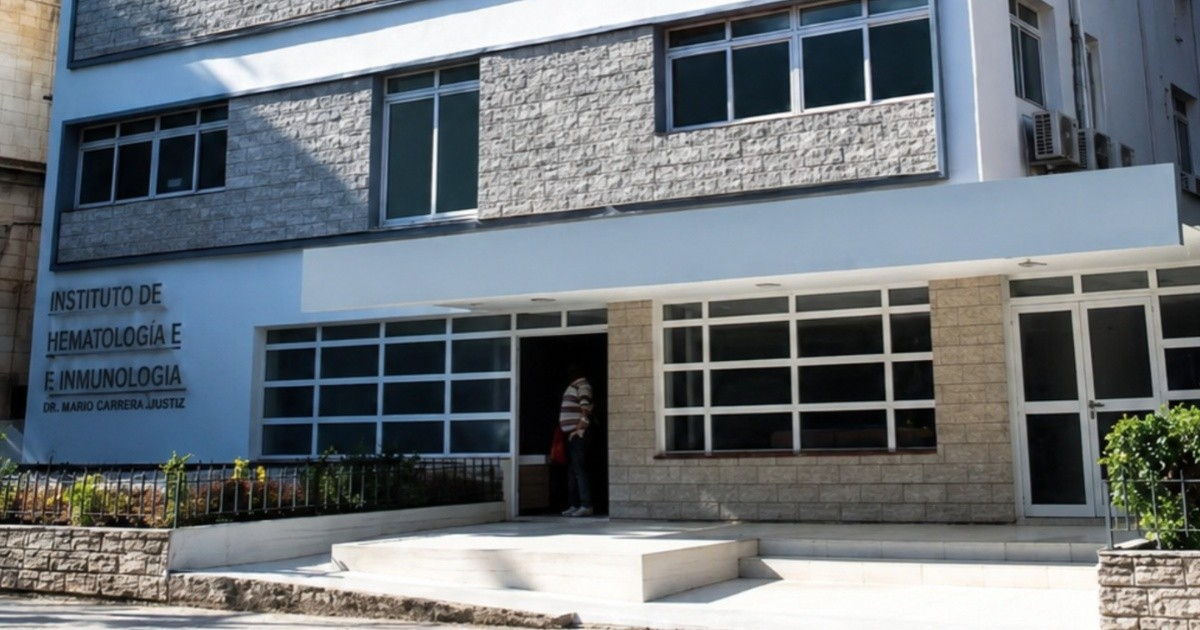
Johana Tablada, second-in-command of the Cuban embassy in Mexico, acknowledged this Saturday on Facebook that patients from the National Institute of Hematology and Immunology in Havana were transported by ambulance because the hospital's power generator has been out of fuel for weeks, and she used the situation to blame the U.S. embargo.
In his post, Tablada quoted a message received from a family member: "Ambulances are transporting patients admitted to the Institute of Immunology because the hospital's plant has not had fuel for weeks."
Instead of pointing out the regime's responsibility, the official attacked the U.S. ambassador to the UN, Mike Waltz, and Secretary of State Marco Rubio, accusing them of implementing "medieval measures of collective torture and the game of maximizing suffering for the people of Cuba to impoverish them, humiliate them, and destabilize the country for the purposes of domination."
The evacuation of the national reference center for the treatment of blood diseases such as leukemia occurs at the worst moment in Cuba's energy crisis in decades.
On July 10, just a day before the publication of Tablada, Cuba experienced its fourth nationwide blackout of the year in the National Electroenergetic System (SEN). The third had occurred on July 7.
The generation deficit exceeds 2,000 MW against a peak demand of 3,050 MW, with only 995 MW of operational capacity. In some areas of the interior, outages exceed 70 consecutive hours; in Havana, they reach 22 hours daily.
Cuba has not received oil shipments since April 2026, and by December 2025, 97 distributed generation plants —including hospital plants— were shut down due to a lack of diesel and fuel oil, resulting in over 1,000 MW out of service.
The health crisis is equally severe: there are 96,387 patients on the surgical waiting list, among them more than 11,000 children. Elective surgeries have been suspended in Holguín, Matanzas, and Sagua de Tánamo due to a lack of fuel, and Havana is experiencing a record increase in infant mortality, the highest in the country in 2026.
The Tablada pattern of blaming the embargo while hiding the structural flaws of the regime is recurring.
Just three days earlier, the official described as "repugnant" the intervention of the U.S. delegate at the UN, following a session in which Cuba received only 136 votes in favor of the debate on the embargo —well below the 187 in 2024 and the 165 in 2025—, with 30 abstentions representing the regime's worst result in over three decades.
In that same session, Ambassador Waltz presented to the General Assembly photos of over 800 political prisoners in Cuba.
In March 2026, the UN launched an emergency plan of 94.1 million dollars to ensure fuel exclusively for critical services in Cuba, a sign that the international community was already acknowledging the extent of the energy collapse that now requires the evacuation of patients from one of the most important specialized hospitals on the Island.
Filed under: