
Related videos:
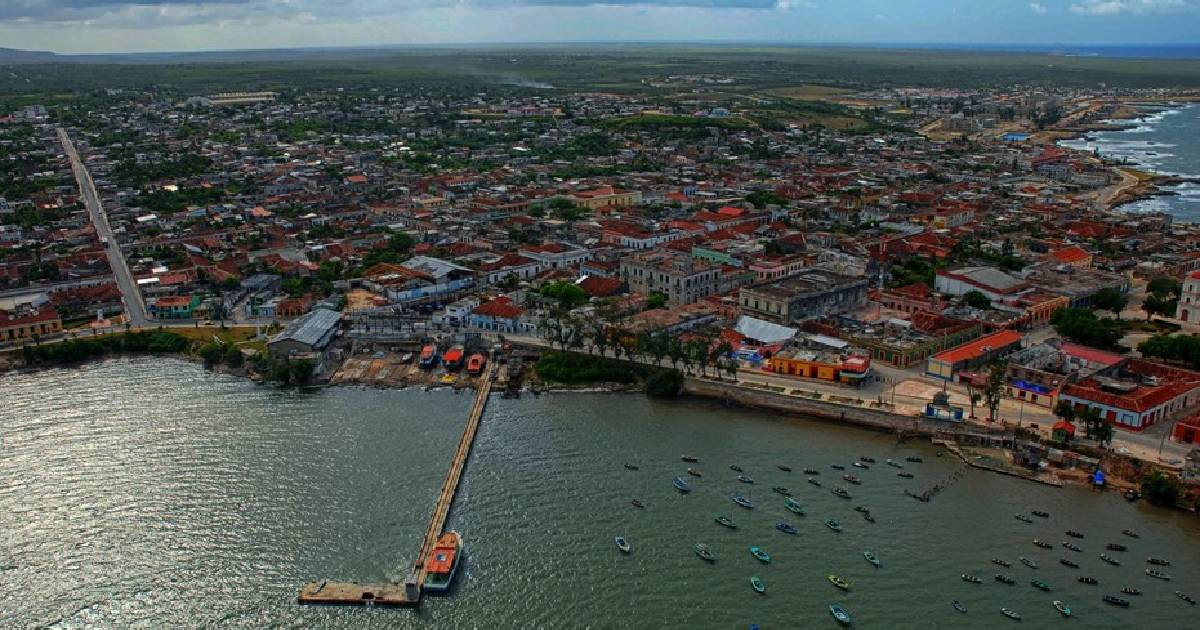
A recent tour of the coastal city of Gibara, the historic White Villa of the Crabs in the province of Holguín, reveals a transformation into a silent city, with deserted streets, closed businesses, and empty beaches in the middle of the summer season.
The video posted on the Leo's Travel YouTube channel describes what its protagonist labels as "the almost perpetual silence" of a city that "feels as if it's under some sort of curfew."
Despite the presence of electricity at the time of the tour, activity was practically nonexistent: there was no movement in Central Park, by the seashore, or in the restaurants overlooking the bay—most of which were closed.
"You come here and find that the most beautiful places, the ones with a view of the sea, are closed. And generally, a place with a view of the sea is more expensive to visit than one in the city," said the content creator, describing the situation as "truly a shame."
The energy crisis is the most immediate factor. According to a letter addressed to local authorities by a resident of Gibara on July 7th, power outages have exceeded 56 consecutive hours without electricity.
"More than 20 hours without electricity have become the norm," wrote the author, who also reported more than 20 days without water in the pipes, unpaid May salaries as of July 6, a banking collapse, and a severe rise in food prices. A tank of water reached a cost of 3,000 pesos in the speculative market.
Comments from Cubans on the video confirm that the outmigration is a recent and accelerated phenomenon. "Gibara was never a ghost town; the main street was always filled with people. It has only been a ghost town for about two years, when everyone who had money and the desire left for other countries. There has never been so much despair, so much agony, or such misery and lack of everything as there is now," wrote a follower.
Another person who visited the city last year agreed: "The streets looked very empty, sad. They never have electricity, and there's very little water. I have family there, and they've told me the same."
One comment also points out the irony of the moment: "Now for the Festival of Poor Cinema they will provide electricity to give a different impression to the world."
The twentieth edition of the International Festival of Poor Cinema, scheduled from July 14 to 18, was postponed from its usual April date due to the energy crisis.
The organization had to implement its own battery systems and outdoor projections to ensure the functions, in a contrast that the residents themselves describe as a staged setup.
"What would become of this city, what would become of this town, this community with a little more economy, with a little more development, with the same ideas as the Cubans themselves who have such good ideas to help it progress and provide a better life for this city," reflected the narrator of the video as he concluded his journey.
The deterioration of Gibara is part of a pattern of neglect that affects the entire province. The old Holguín-Gibara train station, located in the city of Holguín and opened in 1893, is now a dump with damp walls and windows without glass.
The only underground train station in Cuba, located in Gibara, is abandoned with no trains in operation. Debris left by hurricanes remains unrepaired in several areas of the city.
All of this contrasts with the history of a city that was one of the most dynamic ports in eastern Cuba during the 19th century, featuring neoclassical architecture, cosmopolitan influences, and the second most extensive system of walls in Cuba, after Havana, earning it the nickname "Little Spain." Its Urban Historic Center has been declared a National Monument.
Filed under: