
Related videos:
The Cuban regime will celebrate the twentieth edition of the International Festival of Poor Cinema of Gibara from July 14 to 18 in the coastal city of northern Holguín, while the province is enduring the most severe energy crisis in the country and a significant portion of the population is facing hunger and shortages.
The competition was postponed from its usual date in April to July precisely because of the complex energy and fuel situation in Cuba.
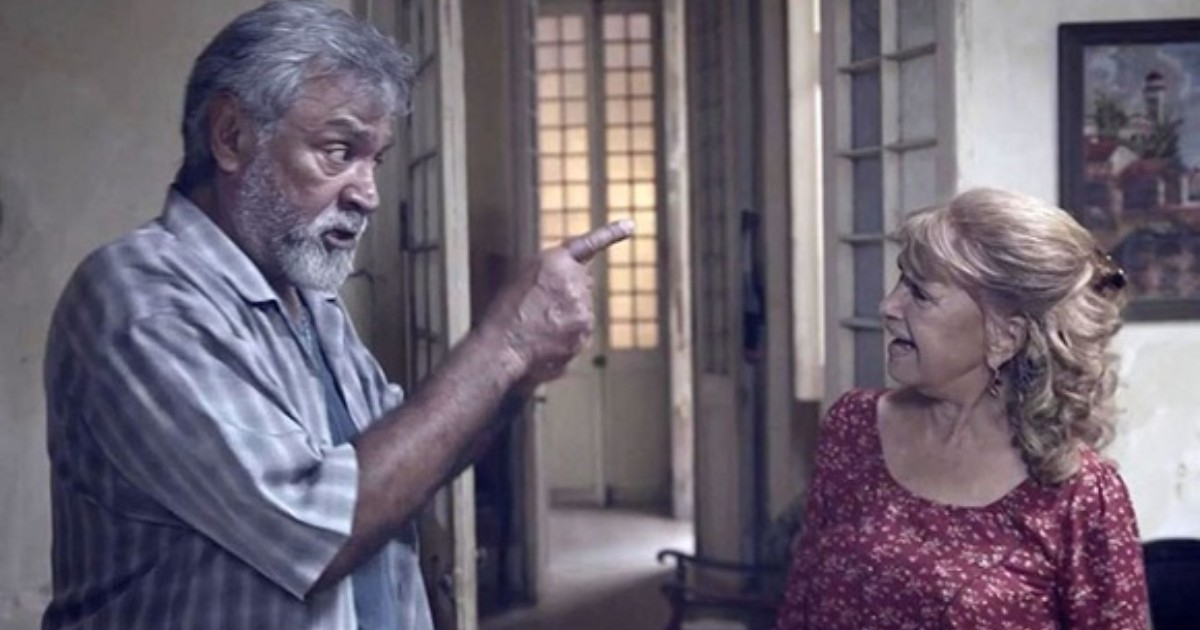
The film Anonymous Neurotic, directed by Jorge Perugorría and featuring Mirtha Ibarra, will open the event as a tribute to Perugorría himself, who presided over the festival for five years.
The film, shot in August 2024 in Havana, is based on the play of the same name written by Ibarra and tells the story of a woman who fights to prevent the demolition of a declining Havana cinema.
Rafael Grillo, a member of the organizing committee, acknowledged that the turnout did not reach the numbers of previous editions, although he defended the quality of the selected works: "Despite the current difficulties and the postponement of the event to July, this year's program maintains the quality and diversity that distinguish the competition."
To navigate the power outages, the organization implemented its own battery system and outdoor screenings on three screens distributed throughout the city. The usual large concerts will not be part of this edition.
The contrast between the festival and the reality experienced in Holguín is striking. The province operates with barely 70 MW against a demand of between 225 and 240 MW—less than 30% of the necessary capacity—with blackouts exceeding 50 consecutive hours and only three hours of electricity per cycle.
On a national level, the situation is no less serious. 33.9% of Cuban households reported that at least one person went to bed hungry in the last 30 days, according to the survey "En Cuba Hay Hambre 2025." 97.6% of the population indicates structural shortages, and only 18.3% receive drinking water on a daily basis.
The film programming of the festival includes competitions for feature films, short films, documentaries, and animation. In the fiction category, the Kyrgyz film Mergen, directed by Chinguiz Narinov, will compete alongside productions from Iran, India, Morocco, Mexico, and Venezuela, as well as two Cuban films. The documentary section showcases the national titles Padilla, Mijaín, and Mario Rivas: a fortunate artist, among others.
Grillo acknowledged that the event will not reach the same level in all aspects as previous editions, but he defended its essence: “Although in other aspects of the traditional multicultural festival of Gibara, the 2026 edition may not match the standards of past editions due to current conditions, the fundamental reason for this gathering, which is its film programming, is still on par with what has been achieved in recent years.”
The festival was founded in 2003 by filmmaker Humberto Solás as a space for independent, diverse, and alternative cinema, based on the premise that a limited budget does not mean a lack of ideas or artistic quality.
For many Cubans, however, it is difficult to ignore that the regime allocates resources to a cultural event while the population faces hunger, blackouts, and extreme shortages amid what could be the worst GDP drop in decades.
Filed under: