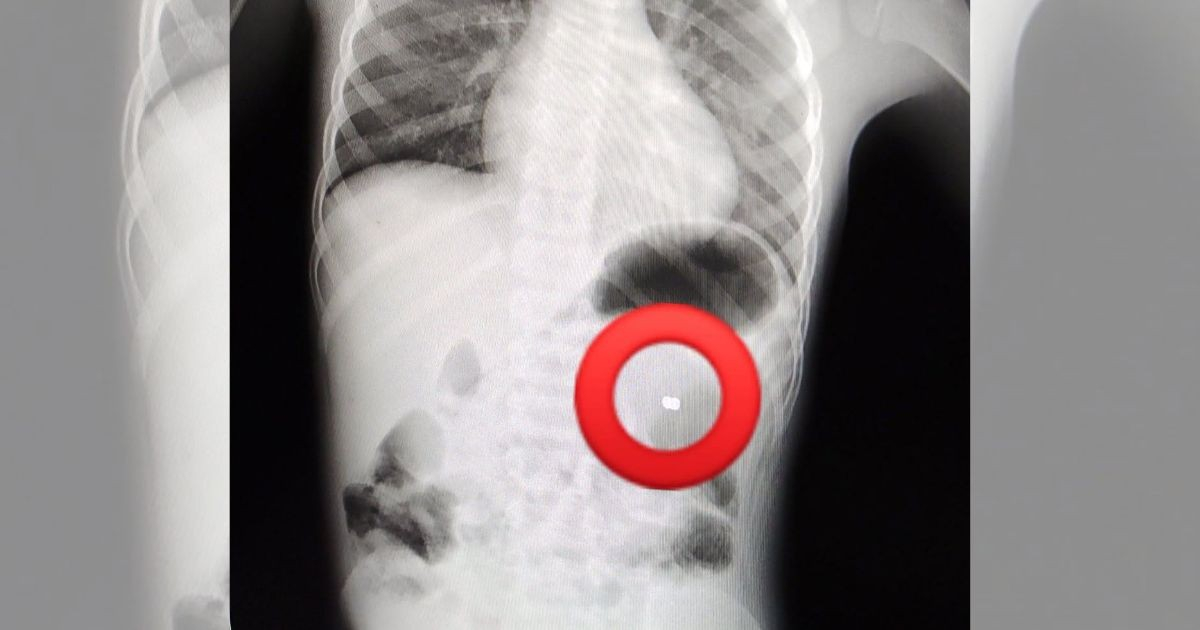
The José Ramón Martínez Álvarez Teaching Pediatric Hospital in Guanajay, Artemisa, confirmed this Wednesday that there was no ambulance available at the time when the transfer of a child injured by a shotgun blast was requested.
The institution responded with a after the situation triggered alarm on social media and was shared, among others, by journalist Magdiel Jorge Castro.
"Right now, there is a child with a shotgun wound at the Pediatric Hospital in Guanajay, and there is no ambulance available for transport," warned one of the messages shared about the case.
The hospital acknowledged that the vehicle designated for transportation was providing another service to the Comandante Pinares General Teaching Hospital in San Cristóbal.
"From the very moment the transfer was requested, the coordinating center informed that the ambulance was in service transporting another patient sent by our hospital to Comandante Pinares de San Cristóbal. As soon as it returned, it was arranged for this new transfer," stated the institution, which reveals the precariousness of the emergency transfer system.
While waiting, the minor remained under medical supervision. According to the statement, repeat X-rays, hematocrit, urine analysis, blood type and factor, as well as an abdominal ultrasound, were performed.
Once the ambulance returned, the child was transferred to the Juan Manuel Márquez Pediatric Hospital in Havana, accompanied by a pediatric specialist and under constant monitoring of his vital signs.
Upon arriving at that center, he was received in the Surgical Guard Unit by a multidisciplinary team that repeated complementary studies and imaging tests to confirm the diagnosis and determine the treatment.
The hospital defended the care provided and stated that the child received medical follow-up throughout the entire waiting period.
"We recognize that there are multifactorial shortcomings affecting our health system, but the care of a child is never delayed," stated the institution, which added: "In the face of scarcity, our professionals rise to the challenge with commitment and dedication."
Although the minor received care, the statement confirms that the transfer could not be carried out immediately because there was no ambulance available at that time.
The case once again highlights the crisis of medical transportation in Cuba. A report from the Ministry of Public Health for 2022 acknowledged that the country had only 39.6% of the necessary ambulances to handle medical emergencies, representing a deficit of over 60%.
Recent information shows that the deficit continues. In January, Matanzas was operating with 16 of the 54 required ambulances.
Similarly, in Granma, the addition of new units raised the number to only 17 active ambulances in June, compared to a previously estimated need of 54.
In February, the Minister of Public Health, José Ángel Portal Miranda, stated that the Cuban healthcare system was "on the brink of collapse", amid fuel shortages, prolonged power outages, and difficulties for ambulances to respond to emergencies.
Related videos:
Filed under: