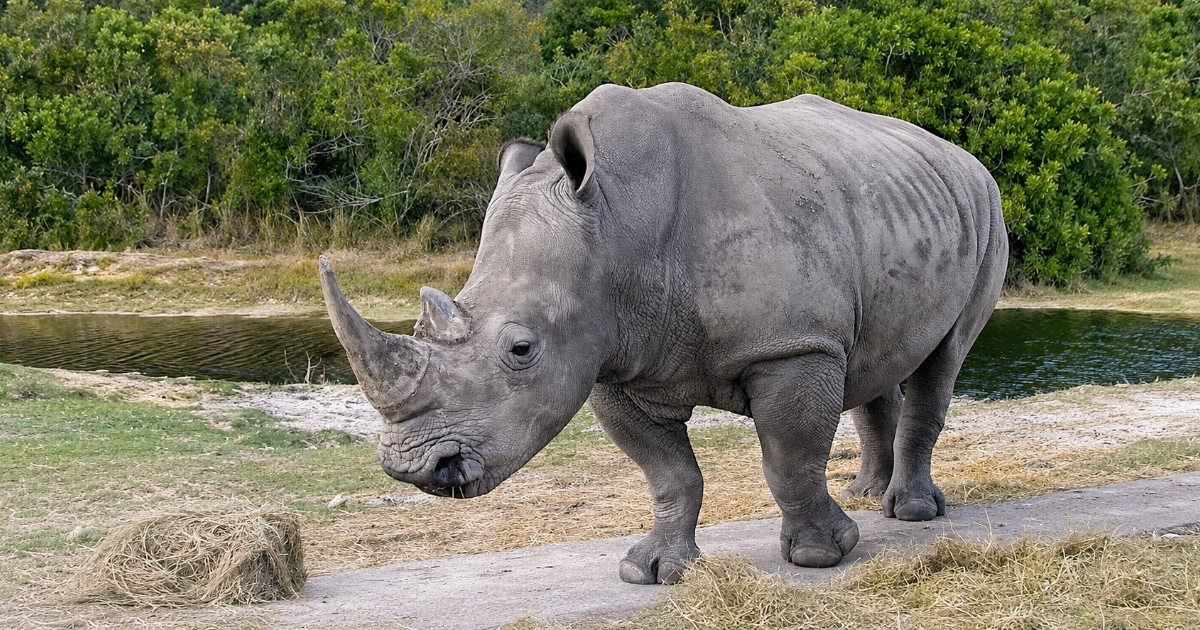
Kangaroos, monkeys, giant lizards, snakes, and a white rhinoceros weighing nearly 900 kilograms are part of the more than 140 animals that escaped from enclosures in captivity in Florida between 2022 and 2026.
The animals escaped from facilities as varied as private homes, businesses, wildlife sanctuaries, and accredited zoos, and include exotic and non-native species whose possession requires a state license.
The most severe case occurred in September 2022 at Wild Florida park in Kenansville, Osceola County: a white rhinoceros destined for a new exhibitor managed to break through both the primary and secondary enclosures and was shot by the park staff.
The United States Department of Agriculture determined that the facility violated the Federal Animal Welfare Act, and Wild Florida paid a fine of $9,000 without admitting or denying responsibility.
Another notable incident occurred in October 2024 in Pierson, Volusia County, where a bear broke through the enclosure of a kangaroo, which then hopped down rural roads while neighbors recorded the moment.
The animal was found in a pasture and sedated; its owner was fined $400 for keeping it with an expired license.
The records of the Florida Fish and Wildlife Conservation Commission (FWC) document nearly two dozen escapes just in the Central Florida area, featuring a surprising variety: a siamang at Disney's Animal Kingdom that fell from a rope but stayed within the public perimeter; a howler monkey that slipped through a gap in a door at the Brevard Zoo during a water bowl change; a lesser yellow-headed vulture that flew out of a Universal Studios theater during a show and was captured about 640 meters away; and Burmese and reticulated pythons measuring up to 2.4 meters found under vehicles or on sidewalks, with no identified owner.
The causes of escape are as varied as the species: faulty locks, unsuitable cage materials, negligence during maintenance, storm damage, and even a bear that knocked down a fence.
The penalties range from verbal warnings to fines between $273 and $450; in extreme cases, such as that of a Bennett's wallaby that escaped twice in December 2024, the owner was fined $450 and sentenced to six months of probation.
The FWC warns that the actual number of escapes is likely higher, as only certain species are required to be reported when they escape, and owners often refrain from reporting them due to fear of legal consequences. Florida classifies captive wildlife into three categories: Class I, the most restricted, which includes rhinoceroses, elephants, and large cats; Class II, with potentially dangerous animals such as howler monkeys and wolves; and Class III, which encompasses species like kangaroos and certain reptiles.
The organization updated its reporting standards for escapes in January 2023, expanding the obligations of owners and incorporating new requirements regarding safety barriers and open-roof enclosures, but acknowledges that systematic underreporting persists.
The state is also grappling with a record-breaking invasive species crisis, with Burmese pythons established in the Everglades and Argentine tegu lizards among the control priorities, making every escape a potential risk to the local ecosystem as well as public safety.
Related videos:
Filed under: