The Castro-communist regime has begun to implement part of the 176 announced economic and social measures. These decisions do not represent a true democratic opening or a renunciation of the model imposed for 67 years. They are, above all, survival measures. Faced with a destroyed economy, a state lacking resources, collapsed public services, and a population increasingly willing to protest, the dictatorship is compelled to authorize activities typical of a market economy that it has persecuted and labeled as enemies of the people for decades.
Prime Minister Manuel Marrero Cruz announced that a significant part of these measures would be implemented immediately or over the following months. However, he was quick to assure that these reforms did not mean a departure from socialism. According to Marrero, the regime continues to defend its model. This statement reveals the true aim of the measures: they are not intended to guarantee economic and political freedom for Cubans, but rather to obtain resources, improve production, and prolong the Communist Party's hold on power.
The new regulations broaden the allowed spaces for Mipymes, cooperatives, and self-employed workers. Numerous prohibitions are being eliminated or relaxed, and activities that were previously almost entirely reserved for the state are now opening up. Among these are small-scale mining, electricity generation from renewable sources, certain pharmaceutical and optical services, the manufacturing or assembly of vehicles, childcare and eldercare, and the management of gyms, swimming pools, and recreational facilities.
New private modalities in tourism are also being announced, including hotel management, car rentals, and passenger transport. Some activities related to gas stations, infrastructure, terminals, and other services may be managed through concessions, partnerships, or state authorizations.
The regime thus acknowledges, although it doesn't explicitly admit it, that private initiative can produce, import, manage, and invest more efficiently than the immense bureaucratic apparatus created by socialism. After decades of blaming private property for all its ills, it now needs to turn to it precisely to try to rescue an economy devastated by centralized planning.
But openness ends where political rights begin. While it allows certain private businesses, the regime maintains a prohibition on independent press, free radio and television stations, political parties, autonomous unions, and civic organizations not subordinate to the PCC. A citizen may manage a pharmacy or participate in the administration of a hotel, but they cannot found a newspaper, establish an independent university, or compete freely for government.
It is, therefore, about allowing a certain economic capitalism while keeping the political dictatorship intact. The so-called Cuban socialism has had as many faces as the regime has faced urgent challenges. In the early years of the revolution, Castro's regime confiscated properties from both Cubans and foreigners, practically eliminated private enterprise, collectivized agriculture, and established a Soviet-style centralized economy. Thousands of businesses, shops, factories, and properties were seized from their owners under the promise of building a fairer society.
The result was scarcity, unproductivity, external dependence, and poverty. When the Soviet subsidies disappeared, the regime allowed self-employment, family-run restaurants, and foreign investment. Once it secured new resources, this time from Venezuela, it again restricted many of those activities. After 2010, it expanded the private sector once more, and in 2021 it authorized small and medium-sized enterprises. Now it is opening sectors that it considered strategic and untouchable until recently.
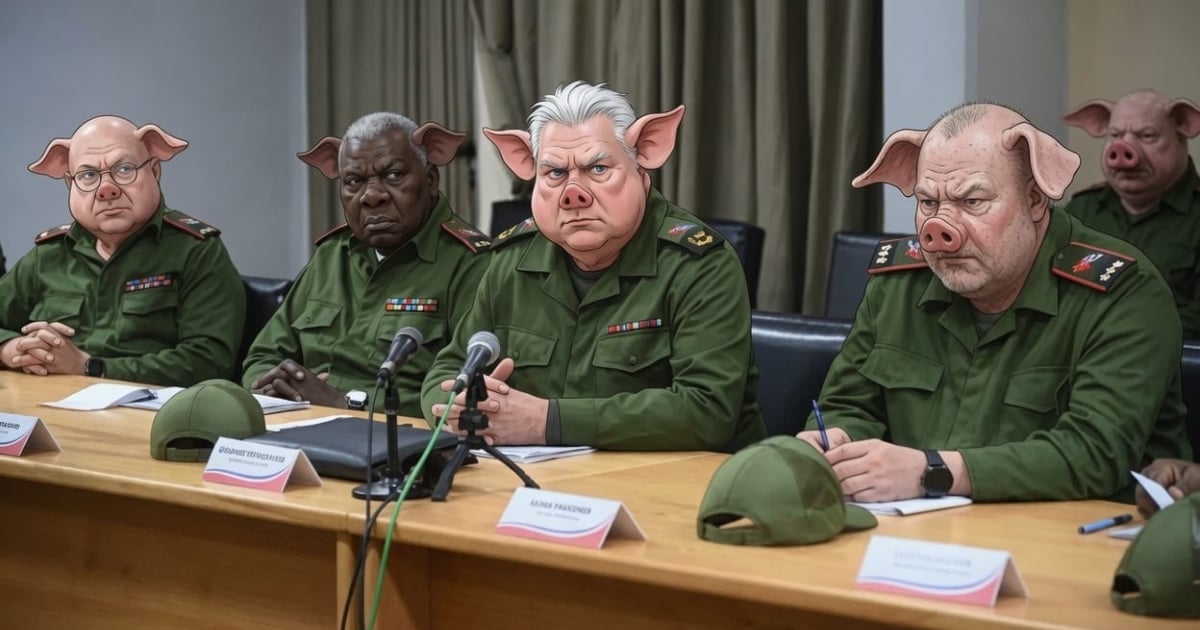
The mechanism is reminiscent of the pigs in "Animal Farm" by George Orwell. The rules change according to the needs of those in power. What was considered counter-revolutionary yesterday becomes indispensable today. What was condemned as capitalist exploitation is presented tomorrow as a tool to strengthen socialism.
These measures are announced amidst an extreme crisis. Cuba is experiencing prolonged blackouts, water shortages, food and medicine scarcity, paralyzed transportation, inflation, and salaries that lack purchasing power. Tourism is profoundly depressed, and several hotel chains, airlines, and foreign companies are reducing or abandoning their operations to protect their interests.
At the same time, public pressure is mounting. In various parts of Havana and other cities across the country, groups of women and residents have blocked streets to protest against power outages, water shortages, hunger, and widespread misery. Demands for basic services are increasingly intertwined with calls for freedom and open condemnations of the dictatorship.
The pressure from the United States, the loss of economic partners, and the distance taken by former ideological allies further exacerbate the situation. Russia, China, and other governments can offer political support or temporary assistance, but they are not willing to indefinitely finance an insolvent economy that cannot meet its obligations.
The 176 measures could have some positive effects if implemented within a true rule of law. However, a market economy requires secure property rights, independent courts, free information, competition, transparency, and legal stability. The regime wants entrepreneurs without independence, investment without guarantees, markets without democracy, and productivity without freedom.
These concessions come too late. They may provide some temporary respite to the dictatorship, but they will not resolve the fundamental contradiction between a people that want to live, produce, and decide freely, and an elite determined to maintain power.
The reforms do not demonstrate the strength of Cuban socialism; they are a confession of its failure. The regime can change decrees, modify slogans, and label any capitalist measure it needs to adopt as "socialist." What it cannot change is the result of 67 years of oppression, ruin, and inefficiency. Popular and external pressure will continue to grow, and the Castro-communist dictatorship is doomed to collapse and disappear very soon.
Related videos:
Filed under:
Opinion article: Las declaraciones y opiniones expresadas en este artículo son de exclusiva responsabilidad de su autor y no representan necesariamente el punto de vista de CiberCuba.