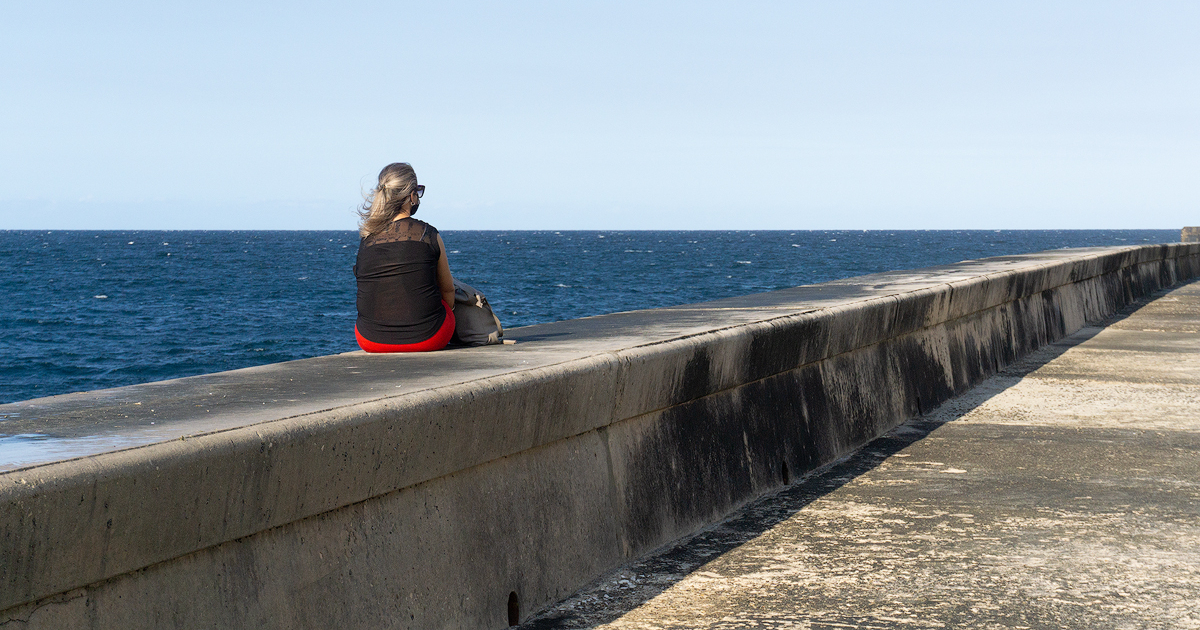
Exile is one of the most painful experiences a human being can endure. It is not just a change of residence; it is a profound rupture between a person and the land where they were born, between their memories and a reality that compels them to seek far away what they could not find in their own country.
Throughout history, millions of human beings have migrated for various reasons: wars, hunger, persecution, economic crises, or the search for new opportunities. However, there is one type of migration that is particularly painful: that which arises when a citizen realizes that their future is constrained by a political system that does not fully acknowledge their freedom, their thoughts, or their right to build an independent life project.
Authoritarianism has many visible consequences: the control of institutions, censorship, the lack of citizen participation, and the concentration of power. However, there is a less immediate and perhaps more devastating consequence: the loss of its own citizens.
When a society reaches the point where its youth dream more of leaving the country than of transforming it, where professionals seek opportunities beyond its borders, and where families are separated for years due to the need to emigrate, we are witnessing a profound signal of political and social failure.
The history of Cuba is one of the most significant expressions of this phenomenon in Latin America. For decades, generations of Cubans have chosen the path of exile for various reasons: political persecution, lack of freedoms, economic decline, and a lack of hope for the future.
The Cuban exile is not just a migration statistic. Behind each number lies a human story: a mother who left her children behind, a child who grew up away from his parents, a professional who had to start over from scratch, an elderly person who could never return to the land where he lived his youth.
But exile also reveals another reality: the human capacity to resist and rebuild. Many Cubans outside the island have created families, businesses, cultural institutions, and made significant contributions to the societies that welcomed them. The exile may lose their physical home, but they retain their identity, their memories, and their determination to overcome.
However, no country should feel proud that its children have to leave to find what they cannot find within it.
This is a lesson that Latin America must pay close attention to. History shows that political projects that attempt to control society through fear, censorship, or imposition end up creating wounded societies and divided populations.
A nation is not strengthened when its citizens flee. A nation is strengthened when its children want to stay, participate, create, and dream within it.
True patriotism does not involve forcing someone to stay; it consists of building a country where no one feels they must leave in order to live with dignity.
Mass exile is always a question that history poses to power: Why did so many citizens prefer to face the uncertainty of another country rather than continue living under the system that governed them?
That answer must be sought not in those who left, but in the conditions that made their departure inevitable. This is the ninth lesson from Cuba to Latin America: When a government loses the ability to convince and only retains the ability to control, it begins to lose the most valuable asset of a nation: its own children.
Related videos:
Filed under:
Opinion article: Las declaraciones y opiniones expresadas en este artículo son de exclusiva responsabilidad de su autor y no representan necesariamente el punto de vista de CiberCuba.