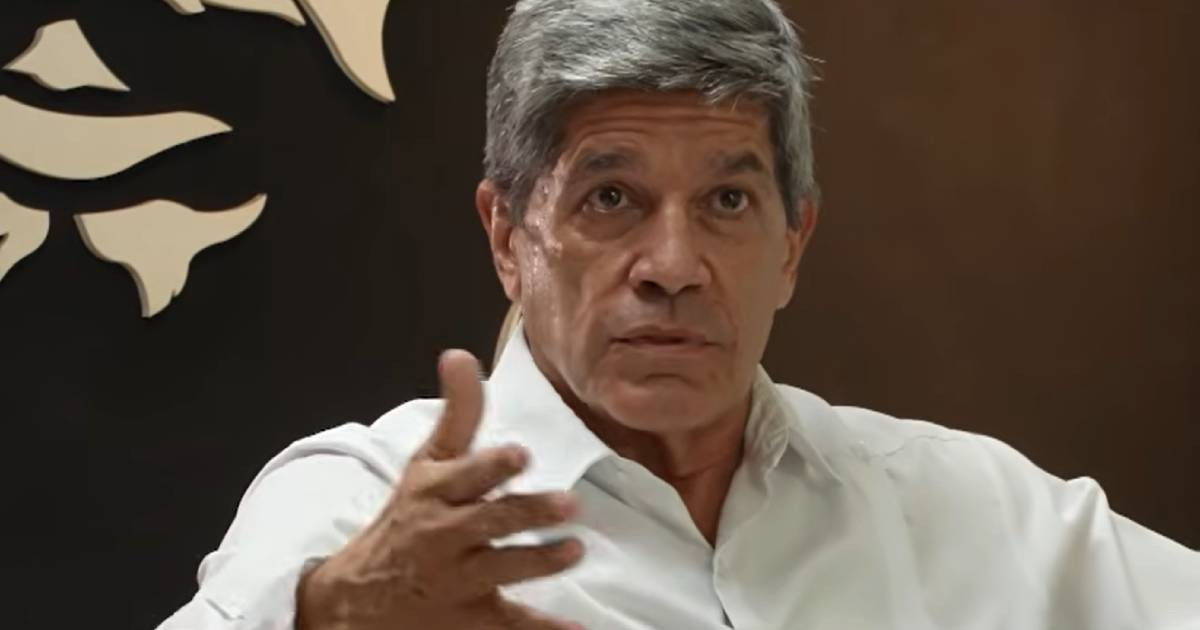
The Cuban regime demanded this Friday that the United States “leave it alone” and claimed that it is not asking for charity or preferential financing, amid the growing economic and energy deterioration of the island.
The Deputy Minister of Foreign Affairs Carlos Fernández de Cossío demanded on Facebook the end of what he calls a "merciless economic war" and "genocide," and called for freedom to trade with other countries without pressure from Washington.
"What Cuba is asking for is for the U.S. to leave it in peace, to stop the genocide, to put an end to the ruthless economic war, to stop punishing the Cuban people and causing them daily shortages, scarcity, anguish, and irritation," he emphasized.
The text also requests that Washington allow "a natural and peaceful relationship for Cubans living in that country with the land that gave birth to them or to their parents."
For its part, the regime offers "a relationship of respect, peaceful and constructive, even friendships and cooperation like those it already has with many segments of American society."
Recently, Fernández de Cossío opened the door for Donald Trump himself or his organization to invest in Cuba, according to an interview published by The New York Times.
"What prohibits Donald Trump from investing in Cuba are U.S. laws. We do not exclude him or his organization from doing business in Cuba, as long as they comply with Cuban laws," declared Fernández de Cossío.
The statement marks a striking shift in the official's discourse, who in January 2025 compared Trump's foreign policy to the fascism of Adolf Hitler and in May 2026 described the U.S. administration as "criminal".
The opening occurs at one of the worst economic moments for Cuba in decades. The economy contracted by about 5% in 2025 and has accumulated a decline of over 15% since 2020, according to estimates from the Center for the Study of the Cuban Economy.
During July, the Cuban electrical grid collapsed three times in eight days. The New York Times also noted that, aside from a Russian tanker that arrived in March, no ally had challenged Trump's pressures to stop fuel shipments to the island up to that moment.
Fernández de Cossío himself acknowledged in the newspaper that "the coercive arm of the United States has proven to be very successful" in pressuring European, Latin American, and Asian companies to prevent them from exporting resources to Cuba.
The foreign minister Bruno Rodríguez Parrilla had denounced two days ago before the National Assembly that the United States is carrying out a "macabre and well-designed plan" to cut off funding sources, access to markets, and essential supplies for the island.
He also warned that Cuba would defend itself "even with arms" if it were the target of a military aggression.
However, Secretary of State Marco Rubio described Cuba as a "failed state" on July 22 and stated that the regime was reselling for cash about 60% of the oil it received for free from Venezuela, instead of allocating it to the country's energy needs.
Rubio also announced the dispatch of more than 100 million dollars in humanitarian aid, channeled through Catholic Relief Services, Cáritas Cuba, and other non-governmental organizations, without the involvement of the Cuban government, and Havana did not reject the resources.
The Ministry of Foreign Trade and Foreign Investment acknowledged the arrival of the first shipment and stated that Cuba accepts assistance when it benefits the population, although it presented this as a gesture from the American people and accused Washington of trying to exploit the needs of Cubans for political gain.
Related videos:
Filed under: